Pakistani designer wear has gained recognition for its detailed craftsmanship, refined fabrics, traditional influences, and carefully developed designs. The price of a designer outfit often reflects much more than the fabric and finished appearance. Skilled embroidery, handwork, quality control, original design development, and thoughtful tailoring can all contribute to the final cost. From formal dresses and luxury pret wear to traditional bridal outfits, each category can involve different levels of effort and expertise. Understanding these factors makes it easier to assess the true value of Pakistani designer wear and distinguish lasting quality from pricing based mainly on branding.
Quality of Fabric Makes a Difference
Fabric is one of the most important factors behind the value of a designer outfit. Pakistani designers often work with materials such as pure silk, organza, chiffon, velvet, lawn, cotton, and premium blended fabrics. Each fabric has different qualities related to texture, weight, fall, breathability, and durability.
Higher-quality fabric generally creates a better foundation for embroidery and tailoring. A well-selected material can also improve the way a dress holds its shape and looks after repeated wear. For formal clothing, fabric quality becomes especially important because intricate embellishment can place additional weight on the garment.
Detailed Embroidery Requires Skilled Work
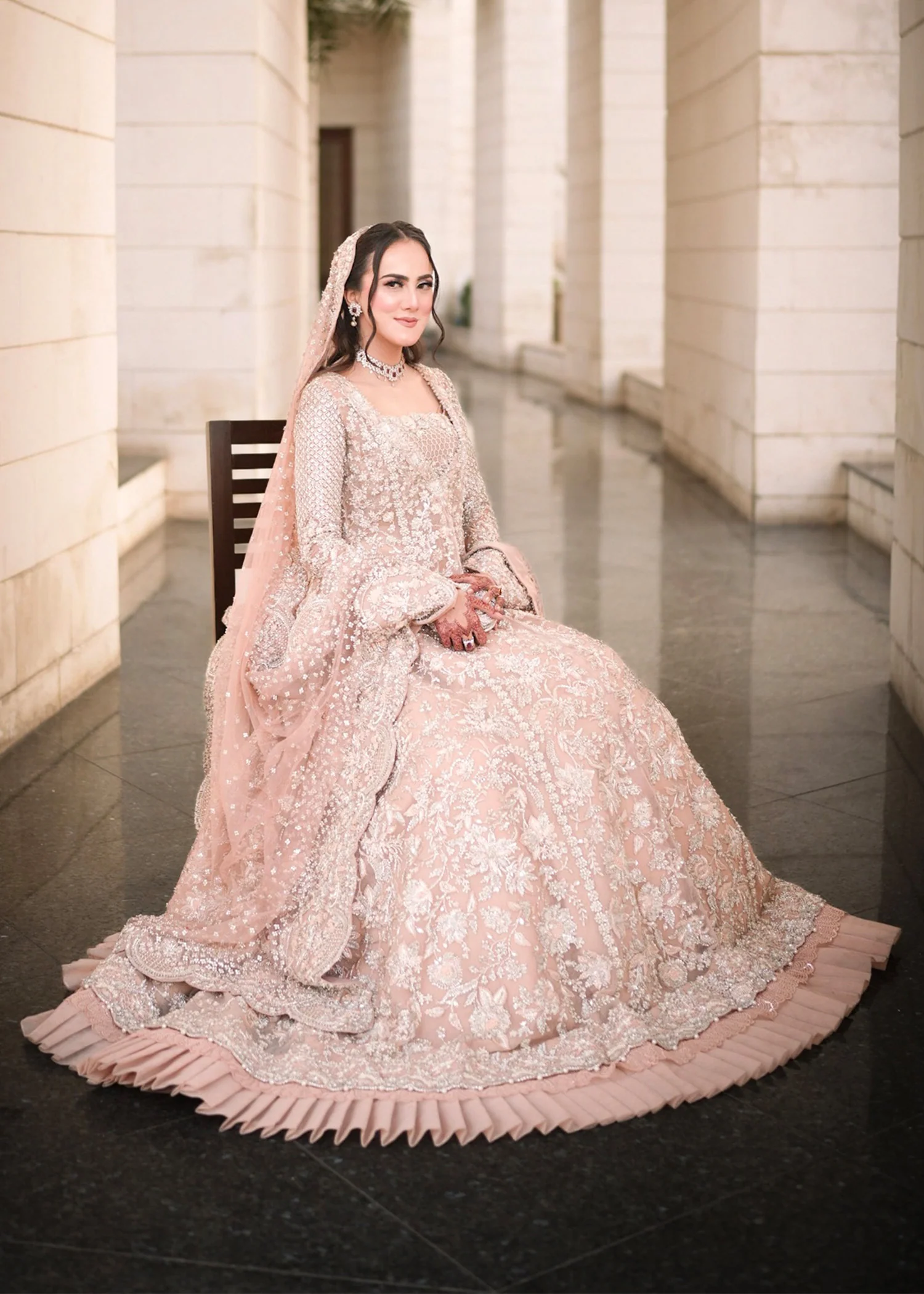
Embroidery is a major feature of Pakistani fashion. Techniques such as threadwork, zari, sequin work, beadwork, mirror work, and hand-applied embellishments can require considerable time and technical skill.
Hand embroidery can significantly increase the cost of an outfit because individual details may require careful placement and repeated finishing. Even machine embroidery can involve extensive design preparation, testing, and quality control. The complexity, density, and precision of the embroidery all influence the final price.
Original Design Adds Creative Value
A designer outfit is not simply a combination of expensive fabric and decoration. Considerable creative work can take place before production begins. Designers develop concepts, select colour combinations, create silhouettes, plan embroidery patterns, and determine how different elements should work together.
Original prints, distinctive cuts, customised motifs, and carefully developed collections can give Pakistani designer wear a stronger identity. The price can therefore include the creative development behind the finished garment rather than only the physical materials used.
Tailoring and Construction Matter
Good tailoring can have a major effect on the appearance and comfort of an outfit. Precise cutting, balanced proportions, neat seams, properly finished edges, and accurate measurements help create a polished garment.
Designer clothing usually requires more attention during construction, particularly when embroidery or multiple fabric layers are involved. A detailed formal dress may need careful alignment so that patterns, borders, and decorative elements appear correctly across different sections.
Handcrafted Details Can Increase Longevity
Craftsmanship is another reason premium Pakistani clothing can command a higher price. Carefully finished garments are less likely to have loose threads, uneven embellishment, poorly attached decorations, or weak seams.
Quality finishing also helps an outfit maintain its appearance over time when properly stored and cared for. For buyers interested in occasional formal wear, durability can make a higher initial investment more practical than repeatedly replacing lower-quality garments.
Limited Production Creates Exclusivity
Mass-produced clothing benefits from large production volumes, while designer collections may be produced in comparatively limited quantities. Smaller production runs can create a greater sense of exclusivity.
Limited availability is particularly relevant for formal Pakistani fashion, where distinctive designs are often selected for weddings, Eid celebrations, engagements, parties, and other important occasions. A less commonly available design can offer a different type of value beyond material quality.
Cultural Craftsmanship Adds Meaning
Pakistani fashion draws inspiration from a rich textile and craft heritage. Traditional embroidery, regional techniques, classic silhouettes, and South Asian decorative elements continue to influence modern collections.
This cultural connection can make an outfit more meaningful. A contemporary designer may combine traditional craftsmanship with modern cuts, creating clothing that feels current while retaining recognizable elements of Pakistani fashion.
Quality Control Supports the Final Price
A designer garment passes through several stages before reaching the customer. Fabric inspection, embroidery checks, stitching reviews, measurement verification, pressing, finishing, and final presentation can all contribute to production costs.
Quality control becomes especially important for heavily embellished outfits. Small errors can become highly visible when a dress contains intricate borders, repeated motifs, delicate beadwork, or carefully positioned embroidery. Additional inspection helps maintain consistency across the finished collection.
Brand Reputation Also Influences Cost
Brand reputation can form part of the price, although it should not be the only factor considered. Established Pakistani fashion houses may have years of design experience, skilled production teams, recognised craftsmanship, and established quality standards.
A stronger reputation can also reflect consistent customer demand and distinctive design language. However, a higher price does not automatically guarantee superior quality. Fabric, construction, embroidery, finishing, and overall design should still be assessed before purchasing.
How to Judge the Value of Pakistani Designer Wear
Price alone is not enough to determine whether a designer outfit offers good value. Several practical factors can help with assessment:
- Check the fabric composition and overall quality.
- Examine embroidery for neatness and consistency.
- Look closely at seams, hems, and finishing.
- Consider the complexity of the design and embellishment.
- Review whether the garment has distinctive or original design elements.
- Assess versatility and potential occasions for wear.
- Follow the recommended care instructions to protect the investment.
A moderately priced designer outfit with excellent craftsmanship can offer better value than an expensive garment where most of the cost comes from branding.
Designer Wear Compared With Mass-Market Clothing
Mass-market clothing is generally produced to meet high-volume demand, while designer clothing often places greater emphasis on creative development, finishing, and specialised details. Both categories can serve different purposes.
For everyday clothing, practical affordability may be the priority. For weddings, formal gatherings, festive celebrations, and other significant occasions, the craftsmanship and distinctive appearance of designer wear can justify a higher investment.
The difference is often most visible in details. Fabric quality, embroidery precision, fitting, finishing, and design originality can separate a carefully produced designer garment from a basic mass-produced alternative.
When Is the Higher Price Worth Paying?
A higher price can be worthwhile when an outfit combines quality materials, strong craftsmanship, distinctive design, and suitable construction. Occasion also matters. A heavily embellished formal dress intended for weddings may justify a larger investment than an outfit designed for occasional casual wear.
Cost-per-wear can provide another useful perspective. An elegant outfit that remains attractive and wearable across several occasions may provide stronger long-term value than a cheaper garment that quickly loses its shape, colour, or finishing.
The Value of Filhaal UK
Filhaal UK reflects the appeal of Pakistani fashion by providing access to clothing that combines cultural character with contemporary style. The value of Pakistani designer wear available through Filhaal UK can be considered through fabric selection, detailing, design quality, and suitability for different occasions. A carefully selected outfit can bring together traditional aesthetics and modern fashion preferences without losing the character associated with Pakistani clothing. For customers seeking elegant South Asian fashion in the UK, Filhaal UK offers an opportunity to explore Pakistani-inspired styles while considering craftsmanship, design, and overall garment value before making a purchase.