Fat melting injections can be an appealing option for people who want to target localized fat without undergoing surgery. However, like any medical or aesthetic procedure, injectable fat reduction can involve potential side effects and risks. Understanding these considerations before treatment is essential for making an informed decision. If you are considering fat dissolving injections, learning about product selection, treatment-area suitability, possible reactions, and the importance of qualified medical care can help you approach the procedure more safely.
What Are Fat Melting Injections?
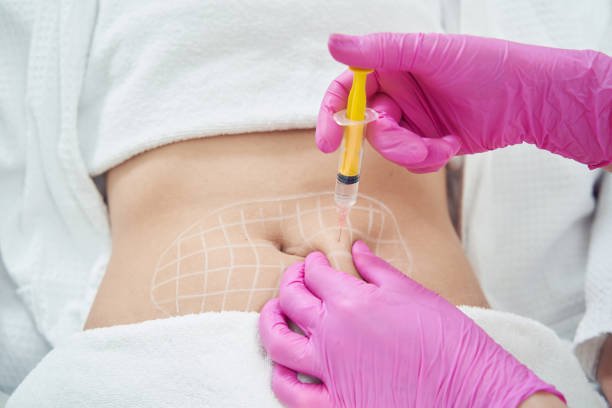
Fat melting injections are injectable treatments intended to reduce localized fat deposits. Certain formulations work by damaging targeted fat cells, which the body then gradually processes. The exact mechanism and approved treatment areas depend on the specific product being used.
Why Product Selection Matters
Not every injectable marketed for fat reduction has the same ingredients, evidence, or approved uses. A qualified medical professional should select an appropriate product based on the treatment area and the patient’s individual circumstances.
Common Temporary Side Effects
After injectable fat reduction, temporary reactions can occur around the treatment area. These may include swelling, redness, tenderness, bruising, itching, sensitivity, or numbness.
Swelling and Tenderness
Swelling and tenderness are among the possible short-term reactions following injections. The treated area may temporarily appear fuller before the swelling settles and the body begins processing the targeted fat cells.
Bruising and Redness
Small bruises or redness may develop around injection points. These reactions can vary depending on individual sensitivity, injection technique, and the treatment area.
More Serious Risks to Consider
Although many side effects may be temporary, injectable fat reduction can carry more significant risks. The nature and severity of these risks depend on the specific product, injection site, and technique.
Nerve-Related Concerns
When injections are performed near sensitive anatomical structures, incorrect placement can potentially affect nearby nerves. This is particularly important when treating areas such as the chin and neck.
Skin and Tissue Reactions
Improper injection technique or inappropriate product use may increase the risk of skin injury, uneven results, inflammation, or tissue damage. Professional assessment and accurate injection placement are therefore essential.
Why the Treatment Area Matters
Different areas of the body have different anatomical structures, fat thickness, skin characteristics, and safety considerations. A product that is appropriate for one area may not be suitable for another.
Understanding Approved Uses
Patients should ask which product is being used and whether it is specifically approved or medically appropriate for the intended treatment area. Avoid assuming that all fat-reducing injections can safely be used throughout the body.
Who May Not Be a Suitable Candidate?
Not everyone is an appropriate candidate for injectable fat reduction. Suitability can depend on overall health, medical history, allergies, medications, skin condition, pregnancy status, and the amount and location of localized fat.
Importance of Medical History
Before treatment, provide complete and accurate information about your health, medications, allergies, previous procedures, and any existing concerns involving the treatment area. This allows the practitioner to assess potential risks more effectively.
What Can Increase the Risk of Complications?
Several factors can increase the likelihood of unwanted outcomes, including improper product selection, incorrect injection depth, poor technique, inadequate assessment, and treatment by an unqualified provider.
Choosing a Qualified Medical Professional
A trained and appropriately licensed medical professional should perform injectable fat reduction. Proper anatomical knowledge and injection technique are especially important because treatment involves placing a product directly into tissue.
How Can You Prepare for Safer Treatment?
A thorough consultation should take place before the procedure. During this appointment, the practitioner can evaluate the treatment area, discuss your goals, review your medical history, and explain potential benefits and risks.
Questions to Ask Before Treatment
Ask what injectable product will be used, whether it is suitable for your treatment area, what side effects may occur, how the procedure will be performed, and what aftercare will be required. Clear answers can help you make a more informed decision.
What Should You Expect During Recovery?
Temporary swelling, bruising, tenderness, redness, or sensitivity may occur after treatment. Recovery varies according to the treatment area and individual response.
Following Aftercare Instructions
Your practitioner should provide personalized aftercare guidance. Follow these recommendations carefully and avoid unnecessary manipulation or irritation of the treated area unless specifically advised otherwise.
When Should You Contact a Healthcare Professional?
Mild temporary reactions can occur after treatment, but severe, worsening, unusual, or persistent symptoms should not be ignored.
Warning Signs
Seek prompt medical advice if you experience significant pain, rapidly worsening swelling, unusual skin changes, signs of infection, significant weakness, or other symptoms that concern you. Your healthcare provider can determine whether further evaluation is necessary.
Can Poor Injection Technique Affect Results?
Yes. Inaccurate injection placement can contribute to uneven fat reduction, asymmetry, prolonged swelling, or other unwanted outcomes. The goal of treatment should be controlled and carefully planned contour improvement.
Importance of Precise Treatment
A qualified practitioner should assess the fat layer and surrounding anatomy before determining injection points. Precision is especially important in areas with nearby nerves and other sensitive structures.
Are Fat Melting Injections Safe for Everyone?
No cosmetic procedure can be considered completely risk-free, and suitability varies between individuals. A properly conducted consultation helps identify whether the potential benefits outweigh the risks for a particular patient.
Personalized Assessment
Factors such as age, health, medications, allergies, skin quality, fat distribution, and treatment goals can influence treatment suitability. If you are researching Fat melting injections in Riyadh, choosing a qualified provider for an individualized assessment is an important part of the safety process.
Making an Informed Treatment Decision
Fat melting injections may provide localized contouring for appropriately selected patients, but they should not be viewed as a risk-free shortcut to weight loss. Understanding the potential side effects, limitations, and alternatives allows you to make a more informed decision.
Book an Appointment
If you are considering injectable fat reduction, Royal Clinic Saudia can provide a personalized consultation to discuss your concerns and treatment suitability. Book an appointment to learn about the appropriate treatment area, potential risks, expected results, and aftercare with a qualified medical team.
FAQs:
What Are the Common Side Effects of Fat Melting Injections?
Swelling, redness, tenderness, bruising, itching, numbness, and sensitivity may occur temporarily.
Can Fat Melting Injections Cause Serious Complications?
Serious complications are possible, particularly with inappropriate products or improper injection technique, so qualified medical care is important.
How Can I Reduce Treatment Risks?
Choose a qualified medical professional, provide complete medical information, and follow all treatment and aftercare instructions.
When Should I Contact a Doctor After Treatment?
Seek medical advice for severe, worsening, unusual, or persistent symptoms following treatment.