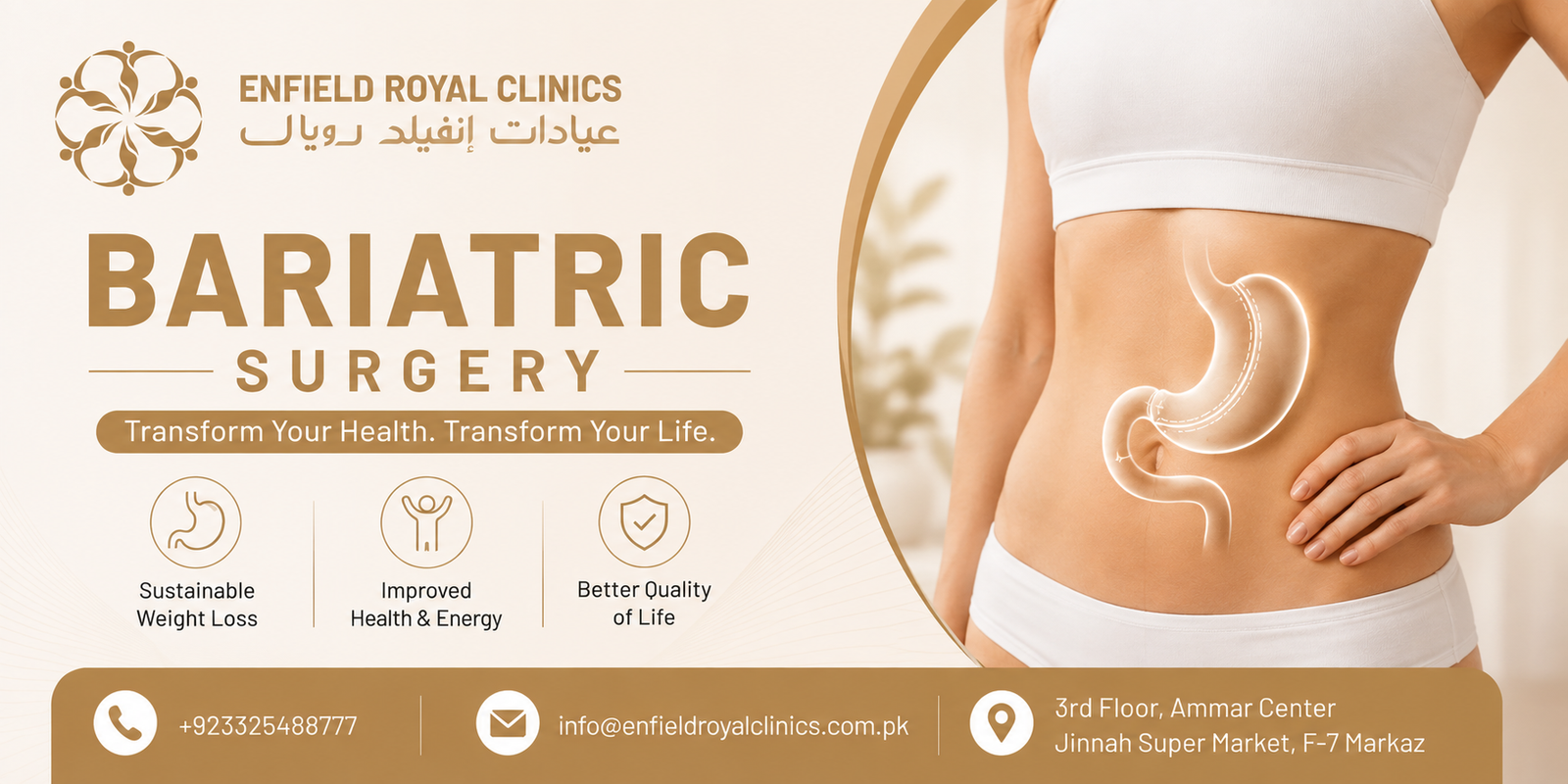
Bariatric Surgery is a medical approach to treating obesity by making changes to the digestive system that support significant weight loss. Depending on the procedure, surgery can reduce the amount of food the stomach can hold, change the path food takes through the digestive tract, and influence hormones associated with hunger and fullness.
For people who have struggled to achieve lasting weight loss through diet, exercise, or other approaches, bariatric surgery may provide an additional treatment option. However, the way it works is more complex than simply making the stomach smaller. Changes in appetite, eating behavior, digestion, and metabolism can all contribute to the overall result.
What Is the Main Goal of Bariatric Surgery?
The main goal of Bariatric Surgery is to help a person achieve meaningful weight loss and improve obesity-related health. The procedure is intended to make long-term weight management more achievable.
After surgery, patients generally cannot eat the same portions they could before. Depending on the operation, the body may also process food differently. These changes can help reduce overall calorie intake and encourage the body to use stored energy.
Weight loss is usually gradual rather than immediate. Patients are expected to follow dietary recommendations and gradually increase physical activity during recovery.
How Does Bariatric Surgery Reduce Food Intake?
Many bariatric procedures reduce the physical capacity of the stomach. A smaller stomach means that a person can become comfortably full after eating a much smaller meal.
For example, gastric sleeve surgery removes a substantial portion of the stomach, leaving a smaller, sleeve-shaped stomach. This limits how much food can be comfortably consumed at one time.
Because meals become smaller, patients need to learn new eating habits. Eating slowly, taking small bites, and stopping when feeling full become particularly important.
How Does Bariatric Surgery Affect Hunger?
Bariatric procedures can influence more than stomach size. The digestive system produces hormones that help regulate hunger and fullness, and some procedures can change these signals.
After certain operations, patients may experience reduced hunger or feel satisfied sooner. Changes in appetite can make it easier to follow a reduced-calorie eating plan.
However, appetite responses differ between individuals. Not everyone experiences the same degree of hunger reduction after surgery.
How Does Gastric Sleeve Surgery Work?
Gastric sleeve surgery is one of the commonly performed bariatric procedures. During the operation, a large portion of the stomach is removed, leaving a narrow stomach sleeve.
The smaller stomach limits meal capacity and can also affect appetite-related hormonal signals. Because the digestive tract is not rerouted in the same way as gastric bypass, the procedure primarily works through restriction and metabolic changes.
Patients still need to follow a structured eating plan after surgery. Over time, the stomach can adapt, so maintaining healthy portions and food choices remains important.
How Does Gastric Bypass Work?
Gastric bypass uses two major changes. First, the surgeon creates a small stomach pouch. Second, the small intestine is connected to this pouch so that food bypasses part of the digestive tract.
This means the patient can eat less food at one time, while the altered digestive pathway also changes nutrient absorption and metabolic signals.
Gastric bypass can produce substantial weight loss and may have important metabolic effects. Because digestion and nutrient absorption are changed, patients generally require ongoing nutritional monitoring.
Does Bariatric Surgery Change Metabolism?
Yes, metabolic changes can occur after Bariatric Surgery, particularly with procedures that influence digestive hormones and nutrient processing.
The body uses several hormones to regulate appetite, blood sugar, digestion, and energy balance. Bariatric procedures can alter some of these signals.
These changes may contribute to improved blood sugar regulation and reduced appetite in some patients. The metabolic effects vary depending on the procedure and the individual.
How Does Bariatric Surgery Help With Diabetes?
Weight loss following bariatric surgery can improve blood sugar control in people with obesity and type 2 diabetes. Some procedures may also produce metabolic changes that improve glucose regulation relatively early.
However, bariatric surgery should not be considered an automatic cure for diabetes. The outcome depends on factors such as the duration of diabetes, overall health, medications, and the type of surgery performed.
People with diabetes require appropriate medical monitoring before and after surgery.
What Happens Immediately After Bariatric Surgery?
The digestive system needs time to recover after surgery. Patients usually begin with a carefully controlled liquid diet before gradually progressing to thicker and softer foods.
As healing continues, small portions of solid foods are introduced according to the healthcare team’s recommendations.
Eating too quickly or consuming large portions can cause discomfort. Patients are therefore taught new eating habits to accommodate their smaller stomach capacity.
Why Are Lifestyle Changes Still Important?
Although Bariatric Surgery changes the digestive system, it does not remove the need for healthy lifestyle habits.
Long-term success generally requires:
- Eating appropriate portions
- Choosing nutrient-rich foods
- Getting sufficient protein
- Drinking adequate fluids
- Staying physically active
- Taking recommended supplements
- Attending follow-up appointments
- Monitoring changes in weight and health
Surgery provides a powerful tool for weight management, but patients still need to use that tool consistently.
How Quickly Does Bariatric Surgery Work?
Weight loss usually occurs progressively over several months. The speed and amount of weight loss depend on the procedure, starting weight, health status, eating habits, activity level, and individual response.
Some people lose weight relatively quickly during the early months, while others experience a slower pattern. Temporary plateaus can also occur during the weight-loss journey.
Rather than focusing only on weekly changes, patients should monitor their overall progress over time with guidance from their healthcare team.
Can Weight Return After Bariatric Surgery?
Weight regain is possible after Bariatric Surgery. Surgery does not completely prevent future weight gain.
Factors that can contribute to weight regain may include frequent high-calorie foods, large portions, reduced physical activity, changes in appetite, or other biological and lifestyle factors.
Regular follow-up can help identify changes early and provide appropriate nutritional or behavioral support.
Final Thoughts
Bariatric Surgery works by changing the digestive system to reduce food intake and, depending on the procedure, alter digestion, nutrient absorption, and appetite-related signals. Gastric sleeve and gastric bypass are two common approaches, but each works differently.
The best results usually come from combining surgery with healthy eating, regular activity, nutritional monitoring, and long-term follow-up. Anyone considering bariatric surgery should receive an individual medical assessment to determine whether it is appropriate and which procedure best fits their needs.
For more information visit Enfield royal clinic in islamabad