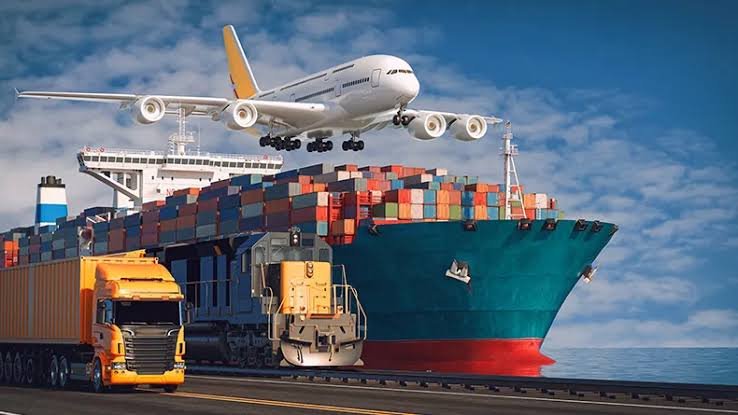
When it comes to shipping goods internationally, businesses generally have two main options: air freight and ocean freight. Both methods get your goods where they need to go, but they work very differently and each comes with its own set of advantages and drawbacks. Choosing the right one can have a real impact on your costs, delivery times, and overall business operations.
This article compares air freight and ocean freight side by side, so you can decide which option makes the most sense for your next shipment.
What Is Air Freight?
Air freight involves shipping goods by airplane. It’s the fastest way to move cargo internationally, often taking just a day or two for goods to travel between countries, depending on the route and any connections involved.
Air freight is commonly used for smaller, lighter shipments or goods that need to arrive quickly. This includes items like electronics, pharmaceuticals, fashion products with tight seasonal deadlines, and urgent spare parts.
What Is Ocean Freight?
Ocean freight involves shipping goods by cargo ship. It’s the most common method for moving large volumes of goods internationally, especially for bulky or heavy items. Unlike air freight, ocean shipments can take anywhere from a few days to several weeks, depending on the distance and route.
Ocean freight is typically used for larger shipments where speed isn’t the top priority, such as raw materials, furniture, machinery, and bulk consumer goods.
Comparing Cost
Cost is often the first thing businesses consider when choosing between air and ocean freight, and this is where the two methods differ the most.
Air Freight Costs
Air freight is generally more expensive than ocean freight, especially for larger or heavier shipments. Pricing is usually based on weight or volume, whichever results in a higher cost, which is known as chargeable weight. For smaller shipments, air freight can sometimes be more affordable than expected, but as shipment size grows, the cost difference compared to ocean freight becomes much more noticeable.
Ocean Freight Costs
Ocean freight tends to be significantly cheaper, particularly for large or heavy shipments. This is why it’s the preferred method for businesses moving bulk goods or large volumes of inventory. The cost per unit often drops considerably compared to air freight, making it a better choice when budget is a bigger concern than speed.
Comparing Speed
Speed is where air freight clearly has the advantage, but it’s worth understanding just how big that difference really is.
Air Freight Speed
Air freight is by far the faster option, with many shipments arriving within one to three days depending on the route. This makes it ideal for urgent shipments, seasonal products with tight deadlines, or situations where a delay could cause serious business problems.
Ocean Freight Speed
Ocean freight takes considerably longer, often ranging from one to six weeks depending on the origin, destination, and any stops along the way. While this is much slower than air freight, it’s usually not a problem for businesses that plan their inventory well in advance and don’t need immediate delivery.
Comparing Capacity and Shipment Size
The size and volume of your shipment plays a big role in deciding which method makes more sense.
Air Freight Capacity
Airplanes have limited cargo space compared to ships, and there are stricter weight and size restrictions for air shipments. This makes air freight better suited for smaller shipments rather than bulk cargo. Extremely heavy or oversized items often aren’t practical to ship by air at all.
Ocean Freight Capacity
Ships can carry enormous volumes of cargo, from small consolidated shipments to entire containers filled with heavy machinery or raw materials. This makes ocean freight the go to option for businesses that need to move large quantities of goods at once.
Comparing Reliability
Both air and ocean freight have their own reliability considerations, though they show up in different ways.
Air Freight Reliability
Air freight schedules are generally quite reliable, with fewer weather related delays compared to ocean shipping. However, air cargo can still be affected by flight cancellations, airport congestion, or customs delays at busy hubs.
Ocean Freight Reliability
Ocean freight can be more affected by weather conditions, port congestion, and longer customs processes simply due to the larger volumes being handled. While delays can happen with ocean shipments, most businesses build extra time into their planning to account for this.
Environmental Considerations
Sustainability has become an important factor for many businesses when choosing a shipping method.
Ocean freight generally has a lower environmental impact per unit of cargo compared to air freight. Ships can carry much larger volumes of goods using relatively less fuel per item, making ocean shipping the more environmentally friendly option overall. Air freight, while much faster, tends to have a higher carbon footprint due to the fuel required for air travel.
When Should You Choose Air Freight?
Air freight makes the most sense in these situations:
- Your shipment is time sensitive and needs to arrive quickly
- You’re shipping smaller or lighter goods
- Your products have a short shelf life or seasonal demand
- The cost of delay outweighs the higher shipping cost
- You’re shipping high value items where faster delivery reduces risk
When Should You Choose Ocean Freight?
Ocean freight tends to be the better choice when:
- You’re shipping large volumes or heavy goods
- Your timeline allows for longer transit times
- Cost savings are more important than speed
- Your goods aren’t perishable or time sensitive
- You want a more environmentally friendly shipping option
Can You Combine Both Methods?
Many businesses don’t have to choose just one method exclusively. Some use a combination approach, shipping the bulk of their inventory by ocean freight to save on costs, while using air freight for smaller, urgent orders that need to arrive quickly. This strategy allows businesses to balance cost efficiency with flexibility for time sensitive situations.
A good freight forwarder can help design a shipping strategy that uses both methods depending on your specific products, deadlines, and budget.
Other Factors to Consider
Beyond cost, speed, and capacity, there are a few other factors worth thinking about when deciding between air and ocean freight.
Packaging Requirements
Air freight generally requires less robust packaging since goods spend less time in transit and go through less handling compared to ocean shipments, which may pass through multiple ports and longer storage periods.
Insurance Costs
Because ocean freight takes longer and involves more handling, insurance costs can sometimes be higher compared to air freight, where the shorter transit time reduces certain risks.
Customs Processing
Both methods require customs clearance, but the process can sometimes move faster for air shipments simply because there’s less overall volume being processed compared to busy sea ports handling thousands of containers at once.
Final Thoughts
Choosing between air freight and ocean freight comes down to balancing cost, speed, and shipment size based on your business’s specific needs. Air freight offers speed and reliability for smaller or urgent shipments, while ocean freight provides a more cost effective solution for larger volumes when time isn’t the biggest concern.
There’s no single right answer for every business. The best choice depends on your products, your budget, and your delivery timelines. Companies like Noble Line Logistics LLC help businesses evaluate both options and choose the right shipping method, or combination of methods, based on their specific goals.
If you’re unsure which option fits your next shipment, it’s worth discussing your priorities with an experienced freight forwarder who can walk you through the real costs and timelines involved with each choice.