
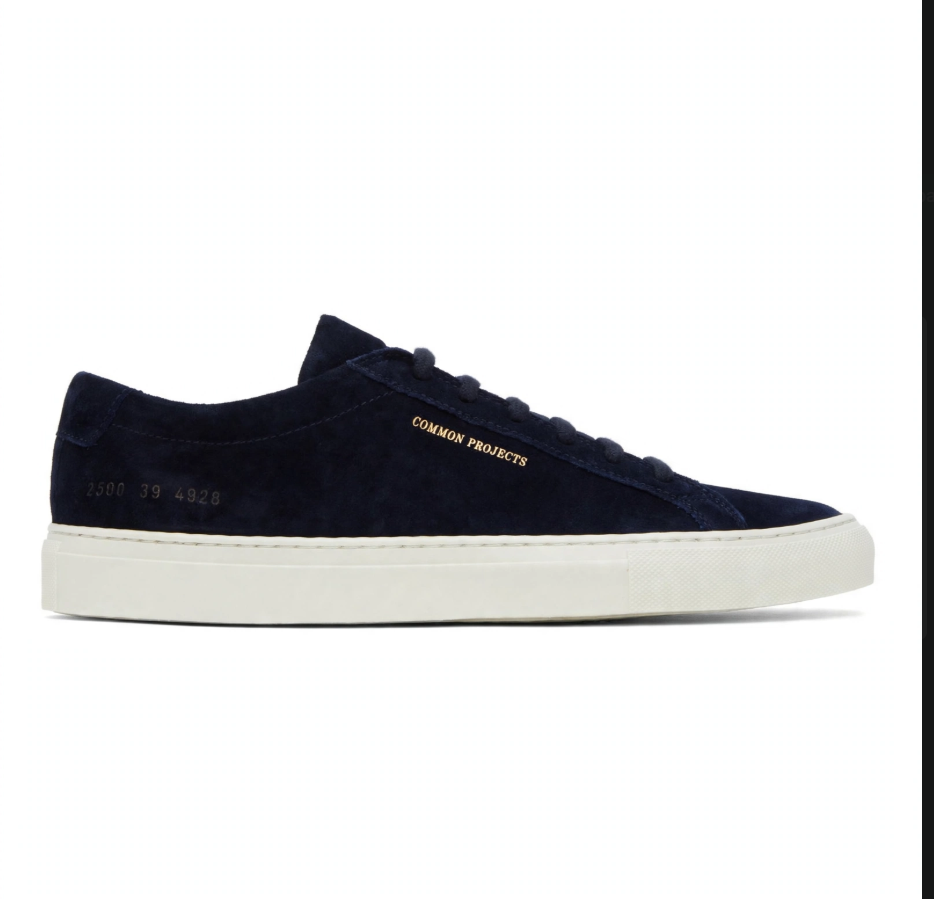
A good shoe rotation makes getting dressed easier. Instead of buying pairs that serve the same purpose, it helps to choose footwear that works with different outfits, seasons, and occasions. From everyday trainers to smart leather shoes, each pair should have a clear place in your wardrobe. Common Projects offers a useful reference point for anyone who appreciates clean lines, understated colours, and footwear that works with modern clothing.
For men and women across the United Kingdom, building a modern shoe rotation means balancing style with comfort and everyday needs. British weather, changing temperatures, and different social settings can all affect which shoes are worth owning. A thoughtful collection does not need to contain dozens of pairs. A few well-chosen options can cover workdays, weekends, evenings out, and casual trips around town.
The aim is to build a collection that suits your lifestyle rather than follow every new trend. By choosing the right shapes, colours, and materials, you can create outfits that feel considered without making daily dressing complicated.
1. Start With a Pair of Minimal Leather Trainers
Why Simple Trainers Belong in Your Wardrobe
Minimal leather trainers are a practical starting point for a modern shoe rotation. Their clean shape works with jeans, chinos, tailored trousers, and relaxed summer clothing. Unlike heavily branded sports shoes, plain leather designs can sit comfortably alongside both casual and smart-casual outfits.
Common Projects is often associated with this understated approach to footwear. Its Achilles Low trainer, known for its simple profile and gold-stamped serial details, shows how small design choices can give a plain shoe its own character. Similar styles can be found at different prices, so the look does not depend on buying one particular label.
White is a popular choice because it pairs well with almost any colour. Cream and off-white offer a softer appearance, while black leather provides a sharper finish that suits darker clothing.
How to Wear Leather Trainers in the UK
For a relaxed daytime outfit, combine white leather trainers with straight-leg blue jeans and a cotton T-shirt. Add an overshirt when the temperature drops. This combination works for shopping, meeting friends, or spending time in the city.
For a smarter look, wear minimal trainers with tailored trousers and a fine-gauge knit. A navy jumper, grey trousers, and clean white footwear create a balanced outfit suitable for informal office settings and casual dinners.
Keep the rest of the outfit simple when your trainers have a polished finish. This allows the shape and material to stand out without making the footwear look out of place.
2. Choose a Pair for Wet Weather
Why the British Climate Matters
The UK climate makes weather-ready footwear a sensible part of any shoe rotation. Rain, damp pavements, muddy paths, and cold mornings can affect both comfort and the condition of leather shoes. A pair chosen only for appearance may not be suitable for every day.
Leather trainers can work in light rain when properly cared for, but they are not all designed for prolonged exposure to water. Check the construction and care guidance before wearing them in wet conditions. For heavier rain, a water-resistant trainer, sturdy leather boot, or suitable walking shoe may be a better option.
A darker colour can make everyday marks less visible. Black, dark brown, and deep navy are practical choices for months when footwear tends to get dirty more often.
Boots for Colder Months
A simple leather Chelsea boot is a useful addition for autumn and winter. Its close-fitting ankle and clean shape work with jeans, wool trousers, and heavier coats. Choose a pair with a sole suited to the surfaces you walk on regularly.
For a more casual option, consider a lace-up boot with a rubber sole. It can pair well with denim, a knitted jumper, and a waxed jacket. These clothes suit the colder months without looking overly formal.
Good care makes a difference. Remove dirt after wear, allow damp footwear to dry naturally, and avoid placing leather shoes next to direct heat. Use products recommended for the specific leather or finish. These small habits can help keep a pair in good condition for longer.
3. Add Smart Shoes for Work and Evening Wear
Find a Style That Fits Your Routine
Trainers cannot cover every occasion. Some workplaces, restaurants, weddings, and formal events call for smarter footwear. A modern shoe rotation should include at least one pair that works with tailored clothing.
Derby shoes are a flexible choice because their open-lacing design gives them a slightly relaxed appearance. They work with suits, wool trousers, and dark denim, depending on the leather finish and sole. Loafers offer another option, especially for spring and summer events.
For a more formal wardrobe, black leather Oxford shoes remain a dependable choice. Their closed-lacing construction gives them a neat appearance that suits business suits and formal dress codes.
Match the Shoe to the Outfit
Black shoes work well with charcoal, black, and navy tailoring. Dark brown shoes pair naturally with navy trousers, beige chinos, and earthy colours. Burgundy leather can add a little colour while remaining easy to wear with neutral clothing.
Think about the formality of the entire outfit. A polished Oxford shoe may look out of place with loose cargo trousers, while a chunky Derby can feel too casual with a very formal suit. Matching the shoe shape to the clothing helps the outfit feel balanced.
You do not need several pairs of formal shoes at once. Start with the pair that suits your work and social commitments, then add another style if your routine calls for it.
4. Build Around Colours That Work Together
Keep Your Main Colours Simple
Colour choices can make a small shoe collection much easier to wear. White, black, brown, navy, and cream all work with a broad range of clothing. These shades are easy to combine with denim, knitwear, coats, and tailored pieces.
Common Projects footwear is a useful reference for this restrained colour approach. Plain trainers can complement an outfit without competing with patterned shirts, textured knitwear, or statement outerwear.
A simple colour plan also reduces unnecessary purchases. If most of your wardrobe consists of navy, grey, white, black, and earth tones, shoes in those colours are likely to work across many outfits.
Add Colour With Care
A modern wardrobe does not have to be limited to neutral shades. Green trainers, burgundy loafers, or tan suede shoes can add personality without making everyday styling difficult.
The trick is to choose colours that connect with clothing you already own. For example, tan suede works with olive trousers, blue denim, and cream knitwear. Burgundy shoes can complement grey tailoring and dark blue jeans.
Before buying a new pair, think of at least three outfits you could wear with it. If the colour only works with one specific look, it may receive less use than you expect.
5. Consider Materials, Fit, and Comfort
Leather, Suede, and Canvas
Material affects how a shoe looks, feels, and performs. Smooth leather has a neat finish and can work across casual and smart-casual settings. Suede offers a softer texture that pairs well with knitwear, corduroy, and relaxed tailoring. Canvas is often suited to warm-weather outfits and informal activities.
Each material needs different care. Leather usually benefits from gentle cleaning and a suitable conditioner. Suede requires a brush designed for the material and careful treatment around water. Canvas can often be cleaned with mild products, though the manufacturer’s instructions should guide the process.
Consider where and how often you will wear each pair. A delicate suede shoe may be better for dry days than for a long walk through wet streets. A sturdy leather design may suit daily use more closely.
Comfort Should Guide Your Choice
A shoe can look good on a shelf but feel uncomfortable after an hour. Check the fit around the toes, heel, and widest part of the foot. Your toes should have enough room, while the heel should feel secure without excessive rubbing.
Try shoes on with the socks you expect to wear most often. Walk around before making a decision, and check whether the sole offers enough support for your daily routine.
Do not assume that every style from the same brand will fit in the same way. Construction, leather thickness, and shoe shape can affect comfort. Read sizing guidance and check the returns policy when ordering online.
6. Create a Rotation That Suits Your Lifestyle
A Practical Starting Collection
A modern shoe rotation can begin with three or four pairs. The right number depends on your work, travel, hobbies, and personal style.
A useful starting point could include:
- White or cream minimal leather trainers for everyday outfits.
- Dark trainers or weather-ready shoes for regular use in wet conditions.
- Leather boots for colder days and casual winter clothing.
- Smart Derby shoes or loafers for work, dinners, and social occasions.
This collection covers many common situations without taking up too much wardrobe space. If you spend most of your time in an office, you may want more formal options. If your routine involves walking around town, comfort and grip may deserve more attention.
Rotate Your Shoes and Look After Them
Wearing the same pair every day can leave little time for the material to dry and recover between uses. Alternating between pairs gives footwear more time to air out, especially during damp British weather.
Use shoe trees where suitable, store shoes away from direct sunlight, and keep them clean. Leather shoes can benefit from occasional polishing, while suede needs brushing to remove surface dirt. Check soles and heels from time to time so worn areas do not go unnoticed.
It is also worth keeping a simple record of what you own. If you already have two similar pairs of white trainers, your next purchase might be better spent on boots or smart shoes. This approach helps you build a collection with a clear purpose.
Buy With Long-Term Wear in Mind
Price alone does not tell you whether a shoe is a good purchase. Look at the materials, construction, comfort, repair options, and expected use. A well-made pair that suits your wardrobe may receive more wear than an expensive design that only works with one outfit.
Common Projects may appeal to shoppers who prefer minimalist leather trainers, though the brand is only one option among many. Compare similar designs, try different fits where possible, and set a budget before shopping.
A considered shoe rotation develops over time. There is no need to replace every pair at once or buy something new each season. Start with gaps in your current collection, then add footwear as your needs change.
FAQs
1. How many pairs of shoes should a modern wardrobe have?
Three to five pairs can cover many everyday needs. A minimal trainer, a weather-ready option, a boot, and a smart shoe make a useful starting point. Your work and leisure habits will affect the final number.
2. Are white leather trainers suitable for smart-casual outfits?
Yes. Clean white leather trainers can work with tailored trousers, chinos, knitwear, and unstructured jackets. Choose a simple design and keep the footwear clean for a neater appearance.
3. Can minimalist trainers be worn throughout the year in the UK?
They can be worn in every season, but the weather matters. Dry days suit leather and suede styles, while persistent rain may call for shoes with better water resistance and grip. Proper care also helps protect the material.
4. What colour shoes are easiest to match with different outfits?
White, black, dark brown, and cream are versatile choices. White works well with casual clothing, black suits darker outfits and formal settings, while brown and cream pair naturally with denim and earthy colours.
5. Is it worth spending more on minimalist leather trainers?
It depends on the materials, construction, fit, and how often you plan to wear them. Compare several options within your budget and consider repair needs and care costs. A higher price does not automatically mean a better fit or longer lifespan.
Final Thoughts
Building a modern shoe rotation is about choosing footwear that fits your everyday life. Minimal leather trainers provide a useful starting point, while boots and smart shoes cover colder weather and more formal occasions. A simple colour palette makes each pair easier to combine with the rest of your wardrobe.
Common Projects offers one example of understated footwear that can work with modern casual clothing. You can take a similar approach with other brands by focusing on clean shapes, comfortable fits, suitable materials, and colours that suit your existing clothes.
Start with the shoes you will wear most often. Look after them, give each pair time to rest, and add new styles only when they serve a clear purpose. A smaller collection chosen with care can make daily dressing simpler and give you more options with the clothes

