Your check engine light can turn on without any obvious change in how your vehicle drives. The engine may sound normal, acceleration may feel smooth, and fuel consumption might seem unchanged. Still, that warning light means your vehicle’s onboard computer has detected a problem that needs attention.
Ignoring the warning can lead to poor engine performance, increased emissions, and expensive repairs. A professional car diagnostic test helps identify the source of the problem before technicians begin replacing parts. Understanding how this process works can save money and prevent unnecessary vehicle damage.
What Does the Check Engine Light Mean?
The check engine light is part of your vehicle’s onboard diagnostics system, commonly called OBD-II. This system monitors engine operation, fuel delivery, ignition performance, and emissions-related components through electronic sensors and control modules.
When the engine control module detects a fault that meets specific conditions, it stores a diagnostic trouble code and may illuminate the warning light. The problem could involve something minor, such as a loose fuel cap, or a more serious mechanical fault.
Steady vs. Flashing Check Engine Light
A steady check engine light generally indicates a detected fault that requires diagnosis. The vehicle may continue operating normally, but the problem should not be ignored.
A flashing light often signals a severe engine misfire that could damage the catalytic converter. Reduce driving and stop safely. Arrange professional assistance rather than continuing a long journey.
How a Professional Car Diagnostic Test Works
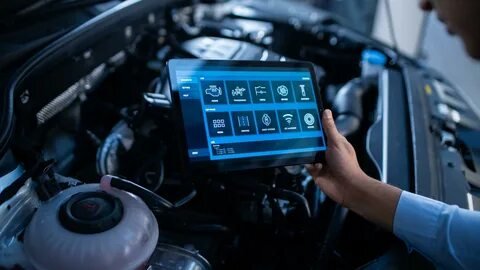
Modern vehicles rely on computer systems to monitor performance and detect operating problems. Professional technicians connect diagnostic equipment to the vehicle’s diagnostic port to retrieve stored fault codes and examine available operating data.
Drivers seeking a car diagnostic calgary service should choose a repair provider that performs further testing instead of relying on fault codes alone. A scanner identifies the affected system, but accurate diagnosis requires checking sensors, wiring, mechanical components, and operating conditions.
Why Fault Codes Do Not Tell the Whole Story
A diagnostic trouble code points technicians toward a problem area. It does not always identify the component responsible for the fault.
For example, an oxygen sensor code may result from a vacuum leak, exhaust leak, fuel delivery problem, or defective sensor. Replacing the sensor without confirming the cause can waste money and leave the original issue unresolved.
Common Problems That Trigger the Check Engine Light
Several mechanical and electrical faults can activate the check engine light. Some affect fuel efficiency, while others can damage expensive engine components if ignored.
Common causes include:
- Loose or damaged fuel cap: Can cause an evaporative emissions system leak warning.
- Faulty oxygen sensor: May affect air and fuel mixture calculations and emissions monitoring.
- Worn spark plugs: Can cause engine misfires, rough idling, and reduced performance.
- Defective ignition coils: May interrupt spark delivery and create cylinder misfires.
- Mass airflow sensor problems: Can affect fuel calculations and engine response.
- Catalytic converter efficiency faults: May indicate emissions system problems requiring further testing.
- Fuel injector problems: Can cause uneven combustion, hesitation, or poor fuel economy.
Professional testing helps distinguish these faults and identify the repairs actually needed.
Why Early Diagnosis Prevents Expensive Repairs
Small mechanical problems can develop into larger failures when left unresolved. A persistent engine misfire, for example, may allow unburned fuel to enter the exhaust system and overheat the catalytic converter.
A faulty fuel delivery system can also affect combustion efficiency and drivability. Identifying these problems early reduces the chance of additional damage and unnecessary component replacement.
Avoid Replacing Parts Through Guesswork
Replacing components based only on symptoms is unreliable because different problems can produce similar warning signs.
Rough idling might result from worn spark plugs, vacuum leaks, fuel pressure issues, or internal engine wear. Diagnostic testing allows technicians to investigate the actual cause before recommending repairs.
How Diagnostics Improve Fuel Efficiency
The check engine light sometimes signals problems that affect fuel consumption. Faulty sensors, ignition problems, and incorrect fuel mixture control can cause the engine to use more fuel than necessary.
A diagnostic inspection can reveal abnormal sensor readings, fuel trim values, and combustion-related faults. Technicians can then perform targeted tests and recommend appropriate repairs.
Correcting verified engine faults may restore normal fuel efficiency. However, fuel consumption also depends on driving habits, tire pressure, weather, and vehicle condition.
Why Commercial Vehicles Need Prompt Diagnostic Attention
For commercial vehicle operators, an unexpected mechanical failure can interrupt deliveries, delay scheduled work, and create additional operating costs. Check engine warnings should receive prompt attention, particularly when accompanied by reduced power or abnormal engine behaviour.
Businesses that schedule commercial vehicle inspection services can combine required vehicle inspections with appropriate maintenance planning and fault investigation. Commercial safety inspections and electronic engine diagnostics serve different purposes, but both contribute to responsible fleet maintenance.
Protecting Fleet Reliability
Fleet operators should document diagnostic findings, completed repairs, recurring warning lights, and maintenance history for each vehicle.
These records help maintenance teams identify repeated problems and plan repairs. They also support better decisions about vehicle downtime, service intervals, and long-term operating costs.
Can You Keep Driving With the Check Engine Light On?
The answer depends on the warning light and your vehicle’s behaviour. A steady light without other symptoms may allow limited driving to a repair facility, but diagnosis should be arranged promptly.
Stop driving when the light flashes or the vehicle develops severe shaking, overheating, major power loss, or other serious symptoms.
Warning Signs That Need Immediate Attention
Unusual engine knocking, visible smoke, strong fuel smells, and rising engine temperature can indicate problems that require urgent attention.
A red oil pressure warning is particularly serious. Stop safely and switch off the engine because insufficient oil pressure can cause major internal engine damage.
How to Choose a Reliable Diagnostic Service
A dependable automotive repair shop should use suitable diagnostic scanners, manufacturer service information, and proper mechanical testing procedures.
Ask whether technicians explain fault codes, confirm suspected failures, and provide written repair estimates. They should also explain which repairs are urgent and which maintenance concerns can be scheduled later.
Clear communication helps you understand the problem and make informed decisions without paying for unnecessary work.
Why Diagnostic Testing Is Part of Preventive Maintenance
Diagnostic testing is useful when warning lights appear, but it can also help investigate intermittent performance problems during routine maintenance.
Stored fault information may reveal problems that require further inspection even when the vehicle currently drives normally. However, a clean diagnostic scan does not guarantee that every mechanical component is healthy.
Regular maintenance, physical inspections, and accurate diagnostics work together to support reliable vehicle operation.
Final Thoughts
A check engine light is a warning that deserves attention, even when your car appears to run normally. Professional diagnostic testing helps identify engine faults, electrical problems, emissions system issues, and other conditions that may require repair.
Do not rely on guesswork or replace components simply because a fault code mentions them. Choose qualified technicians who confirm problems through proper testing.
Addressing warning lights early can reduce repair costs, protect engine performance, and help keep your vehicle dependable on Calgary roads.