Introduction
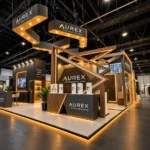
Interactive screens can make an exhibition stand more engaging by allowing visitors to explore products, watch presentations, access information, and interact with digital content. Instead of relying entirely on printed brochures or traditional displays, businesses can use touchscreen technology to create a more informative and memorable experience.
When planned properly, interactive displays also help exhibition teams explain complex offerings, understand visitor interests, and encourage meaningful conversations. A professional exhibition stand builder dubai businesses work with should consider screen placement, content quality, visitor movement, and the overall purpose of the display before integrating interactive technology.
How Interactive Screens Improve Visitor Engagement
Interactive screens encourage visitors to participate rather than simply observe. They can select product categories, browse digital catalogues, watch demonstrations, and explore information at their own pace.
This creates several engagement opportunities:
- Active participation: Visitors can interact directly with displayed content.
- Personalised exploration: Different users can access information relevant to their interests.
- Better information delivery: Digital presentations explain features more clearly than static posters.
- Longer engagement: Interactive activities give visitors a reason to spend more time at the stand.
- Improved communication: Screens provide useful talking points for exhibition staff.
The content should remain straightforward so visitors can understand how to use the screen without requiring constant assistance.
Choosing the Right Interactive Technology
Not every exhibition requires the same type of screen. The selection should depend on the products being presented, the available space, and the expected audience.
An experienced exhibition stand contractor in UAE can help determine which display format suits the exhibition environment and technical requirements.
| Interactive technology | Suitable application | Main benefit |
|---|---|---|
| Touchscreen monitors | Digital catalogues and product information | Easy navigation |
| Interactive kiosks | Self-service information | Independent exploration |
| Large touch displays | Product comparisons and presentations | Shared interaction |
| Interactive video walls | Brand storytelling | Visual impact |
| Digital product configurators | Customisable products | Personalised demonstrations |
| QR-enabled displays | Digital brochures and registration | Convenient information access |
Businesses should also consider screen resolution, operating systems, connectivity, mounting requirements, and compatibility with existing presentation equipment.
Ways to Make Interactive Screen Content More Effective
Technology alone does not guarantee visitor engagement. The information displayed must be useful, visually clear, and easy to navigate.
Consider these practical approaches:
- Use simple navigation: Organise information into clear categories and avoid complicated menus.
- Keep content concise: Present important details through short text, images, and videos.
- Include product demonstrations: Show how products work through interactive videos or animations.
- Create comparison tools: Allow visitors to compare product specifications or service options.
- Add clear instructions: Explain how visitors can interact with the screen.
- Provide language options: Consider multilingual content when exhibiting to international audiences.
Testing the content before the event helps identify technical problems and confusing navigation.
Where Should Interactive Screens Be Positioned?
Screen placement affects both visibility and accessibility. A display that is difficult to approach may receive less attention, even when its content is valuable.
Consider positioning screens near product demonstration areas, information counters, or designated visitor interaction zones. Larger displays can be placed where they are visible from the main exhibition aisle.
Avoid placing interactive equipment where it blocks entrances, creates congestion, or interferes with staff movement. Visitors should have enough space to use the screen comfortably without interrupting other activities.
Measuring the Performance of Interactive Displays
Businesses should evaluate whether interactive screens are contributing to their exhibition objectives.
Useful performance indicators include:
- Number of screen interactions.
- Most frequently viewed content.
- Average interaction duration.
- Product categories receiving the most attention.
- QR code scans and information requests.
- Leads generated through digital forms.
These insights can help businesses improve their content and exhibition strategy for future events. However, any visitor data collection should follow applicable privacy requirements and clearly explain how information will be used.
Common Mistakes to Avoid
Interactive screens can become ineffective when their implementation is not carefully planned.
Common mistakes include using too much text, providing outdated information, selecting screens with poor visibility, and failing to test the equipment. Another problem is making every interaction dependent on staff assistance.
Businesses should also avoid introducing technology simply because it looks impressive. Every digital feature should serve a clear communication or engagement purpose.
Common Questions
1. Are interactive screens suitable for small exhibition stands?
Yes. Compact touchscreen monitors and interactive kiosks can provide useful functionality without occupying too much floor space.
2. What content should an interactive exhibition screen display?
It can display product information, digital brochures, videos, service details, product comparisons, and interactive presentations.
3. Do interactive screens require an internet connection?
Not always. Locally stored content can work offline, although online features such as live updates and cloud-based forms may require connectivity.
4. How can interactive screens support lead generation?
They can include registration forms, enquiry options, QR codes, and appointment requests that encourage interested visitors to share their details.
5. Should exhibition screens be operated by staff or visitors?
A combination often works best. Visitors can explore basic information independently, while staff members provide additional explanations when needed.
Final Words
Interactive screens can transform an exhibition stand into a more informative and participatory environment. Their effectiveness depends on choosing appropriate technology, preparing useful content, and positioning displays where visitors can access them comfortably.
Businesses should focus on making digital interaction simple and relevant. When technology supports clear communication and genuine visitor needs, it can contribute to a more memorable exhibition experience.