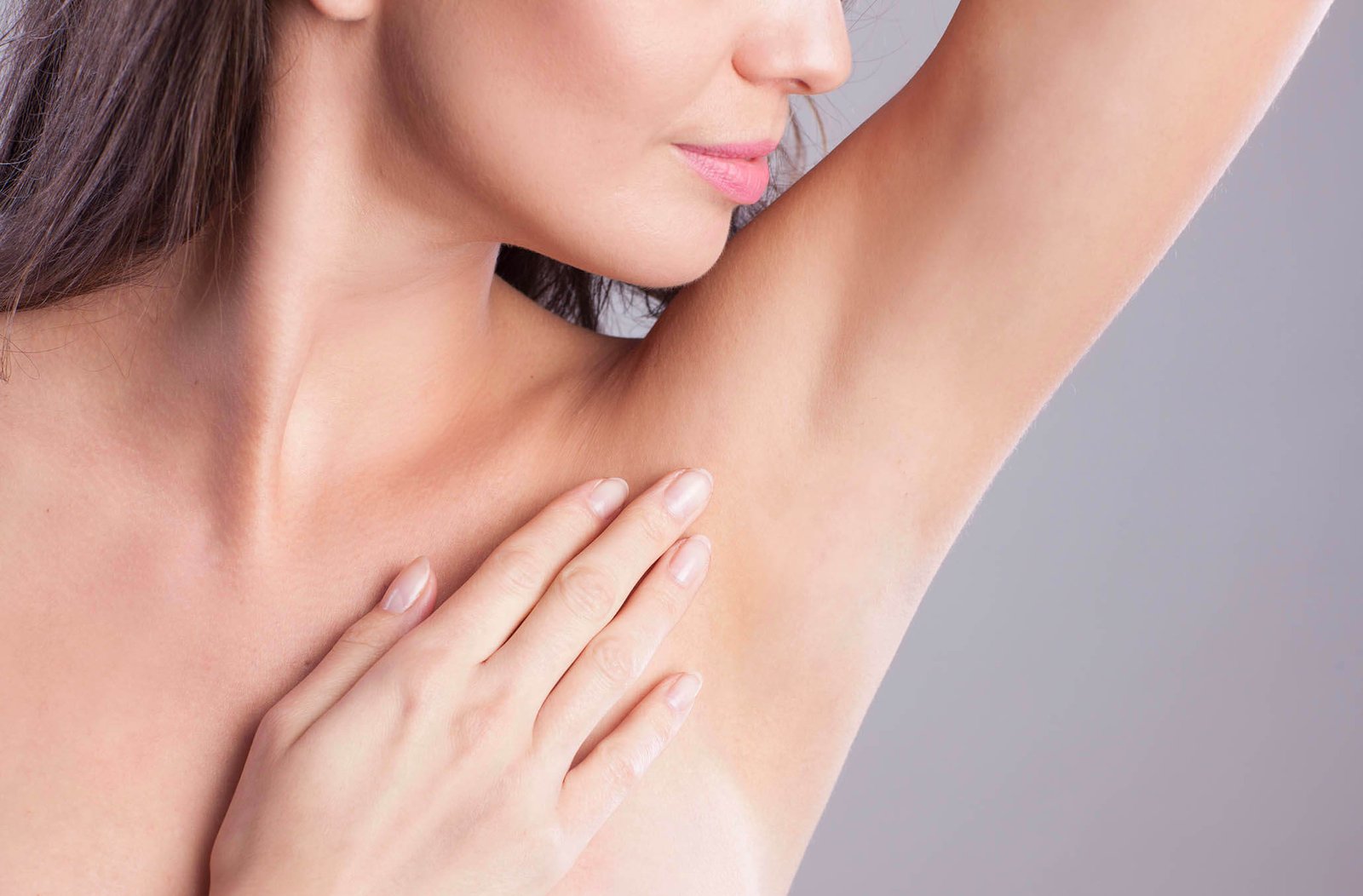
Hyperhidrosis, a physiological condition characterized by excessive sweating beyond what is required for normal body temperature regulation, can significantly impact daily functioning, social comfort, and personal confidence. When conventional over-the-counter antiperspirants fail to manage the condition, advanced clinical therapies are frequently evaluated. Among these solutions, Botox Injections for Sweaty Glands in Abu Dhabi have gained considerable attention as a targeted approach to managing localized sweat production. Understanding how this treatment works, who makes an ideal candidate, and which health profiles require alternative options is essential for making an informed decision.
-
Hyperhidrosis extends beyond ordinary perspiration, causing persistent physical discomfort and lifestyle disruption.
-
Intradermal botulinum toxin administration works by directly interrupting the neural signals that trigger sweat secretion.
-
While highly effective for many, the suitability of the therapy depends entirely on individual health profiles, medical history, and specific diagnostic criteria.
Understanding Sweat Gland Regulation and Botulinum Toxin Functionality
The human body relies on eccrine and apocrine sweat glands to regulate internal temperature and maintain metabolic balance. In individuals affected by primary hyperhidrosis, these glands remain in a hyperactive state due to overstimulated signal pathways within the sympathetic nervous system. Standard topical formulations work on the skin surface by mechanically blocking pores, but they rarely affect underlying signaling mechanisms.
Botulinum toxin type A acts directly at the junction between nerves and target tissues. When introduced intradermally near active sweat glands, it prevents the localized release of acetylcholine—the primary neurotransmitter responsible for activating sweat production. By temporarily disabling this chemical signal, the targeted glands cease excessive moisture production while leaving non-treated body areas to function normally.
-
Eccrine glands produce clear, odorless fluid across the body to facilitate thermal regulation.
-
Acetylcholine acts as the chemical messenger instructing sweat glands to release fluid.
-
Botulinum toxin temporary blocks neurotransmitter delivery without causing permanent tissue altered structures.
Identifying Primary vs. Secondary Hyperhidrosis
Determining eligibility begins with identifying the underlying cause of heavy sweating. Sweating disorders are categorized into primary focal hyperhidrosis and secondary generalized hyperhidrosis. Distinguishing between these two conditions is critical because botulinum toxin is designed to target localized symptoms rather than broad systemic imbalances.
Primary focal hyperhidrosis typically begins during adolescence and affects specific body sites symmetric in nature—most commonly the underarms, palms, soles of the feet, or forehead. Secondary hyperhidrosis, conversely, presents as widespread sweating across the entire body and is triggered by underlying medical issues such as thyroid dysfunction, hormonal shifts, metabolic conditions, or specific pharmacological regimens. Secondary cases require addressing the primary physiological cause rather than localized gland blockages.
-
Primary Hyperhidrosis: Symmetrical, localized to specific zones, typically absent during sleep, and unlinked to broader systemic conditions.
-
Secondary Hyperhidrosis: Generalized across large body surfaces, often accompanied by night sweats, sudden onset, or underlying systemic triggers.
-
Therapeutic suitability focuses predominantly on confirmed primary focal hyperhidrosis cases.
Evaluating Suitability Criteria for Candidates
To establish whether a individual is appropriate for targeted sweat reduction, several standard baseline factors must be verified. Candidates typically exhibit persistent symptoms that do not resolve with clinical-grade topical antiperspirants or environmental modifications. The procedure is intended for individuals seeking a non-surgical management method with temporary, renewable outcomes.
Optimal candidates undergo diagnostic assessments such as starch-iodine testing to map exact areas of active perspiration prior to administration. Additionally, candidates must possess realistic expectations regarding duration, as the intervention provides temporary symptom control rather than a permanent cure.
-
Inadequate symptom relief from strong topical antiperspirants.
-
Confirmation of primary focal hyperhidrosis restricted to distinct areas.
-
Overall good general health without neuromuscular or metabolic contraindications.
-
Clear understanding of the temporary nature of sweat suppression.
Health Conditions and Exclusions
While botulinum toxin administration is widely utilized, it is not suitable for everyone. Certain systemic health profiles, physiological states, and pre-existing medical conditions create definitive contraindications where the procedure must be deferred or avoided entirely.
Neuromuscular disorders present a primary medical concern. Conditions affecting nerve-to-muscle transmission can heighten sensitivity to botulinum preparations. Furthermore, active skin conditions or infections near the targeted site require complete resolution before any intradermal delivery can be considered.
-
Neuromuscular Conditions: Individuals with Myasthenia Gravis, Lambert-Eaton syndrome, or ALS are contraindicated due to altered neuromuscular responses.
-
Pregnancy and Lactation: Treatments are deferred during pregnancy and nursing as a precautionary clinical standard.
-
Active Skin Infections: Localized dermatitis, open wounds, or active cutaneous infections at the target area prevent procedure initiation.
-
Known Hypersensitivities: Prior severe allergic reactions to any botulinum toxin formulation preclude treatment.
Common Treatment Areas and Application Nuances
Targeted gland suppression is routinely performed on distinct body sites where eccrine density is highest and perspiration causes functional challenges. The operational protocol varies slightly based on the anatomical characteristics of each region.
Underarm Area (Axillary Hyperhidrosis)
The axillary region represents the most common area for sweat reduction therapy. The skin in this area easily accommodates intradermal micro-injections, allowing efficient distribution across the sweat gland field with minimal downtime.
Palms and Soles (Palmar and Plantar Hyperhidrosis)
Managing sweating on the hands and feet requires careful precision. Because the skin on the palms and soles is thicker and contains a higher density of nerve endings, specialized application protocols are utilized to maintain comfort and uniform coverage.
Craniofacial Region
Excessive sweating along the hairline, forehead, or face can create significant social discomfort. Facial applications require careful grid mapping to avoid affecting underlying muscles involved in facial expression.
-
Axillary management remains the most standardized application with straightforward delivery.
-
Palmar and plantar treatments require precise grid placement to manage dense nerve clusters.
-
Craniofacial targeting balances sweat gland inhibition with preservation of normal facial dynamics.
Expected Timeline and Duration of Effect
Understanding the operational timeline helps candidates plan around daily commitments. Unlike immediate mechanical blockages, biological signaling interruption requires several days to become fully active.
Initial reductions in surface moisture typically become noticeable within two to four days following administration, with full peak suppression reached around the two-week mark. Over time, the body naturally regenerates nerve endings, allowing acetylcholine transmission to resume gradually. Consequently, sweat production returns to pre-treatment levels over several months, at which point maintenance sessions are typically considered.
-
Initial Manifestation: Noticeable sweat reduction begins within 48 to 72 hours.
-
Peak Efficacy: Maximum control achieved at approximately 14 days post-procedure.
-
Therapeutic Duration: Results generally persist between 4 to 12 months depending on individual metabolic activity and target site.
-
Reversibility: Neural signals regenerate naturally, ensuring no permanent structural changes occur in sweat glands.
Important Pre- and Post-Care Considerations
Following standard care protocols ensures smooth recovery and optimal outcomes. Simple preparatory and aftercare guidelines assist in maintaining target area integrity.
Prior to treatment, candidates are advised to avoid aggressive physical exfoliation, recent shaving in underarm zones, and temporary blood-thinning supplements unless medically necessary. Following the procedure, keeping the area clean, avoiding intense heat sources like saunas, and deferring strenuous exercise for 24 hours helps keep the injected solution localized to the targeted sweat glands.
-
Refrain from shaving the target site 24 hours before procedure delivery.
-
Keep the treated skin dry and clean immediately following the session.
-
Avoid hot baths, saunas, and vigorous physical exertion for at least 24 hours post-treatment.
-
Avoid firm pressure or heavy rubbing on target areas on the day of treatment.
Frequently Asked Questions
Is the treatment permanent or temporary?
The treatment is entirely temporary. Nerve endings gradually regenerate their signaling capability over several months, causing sweat gland activity to return to baseline levels unless maintenance applications are performed.
Can blocking sweat in one area cause sweating to increase elsewhere?
Compensatory sweating—where the body increases sweat production in non-treated zones—is rare with localized intradermal botulinum toxin therapy. Because treated areas like the underarms represent a small percentage of total body surface, overall thermoregulation remains unaffected.
How does this procedure differ from aesthetic facial injections?
While both utilize botulinum toxin type A, hyperhidrosis applications target the skin layer containing sweat glands rather than facial expression muscles. The injection mapping and depth are optimized specifically for glandular signaling interruption.
How long does a typical session take?
A session generally takes between 15 to 30 minutes, depending on the anatomical area treated. Candidates can resume most regular, light daily activities immediately afterward.