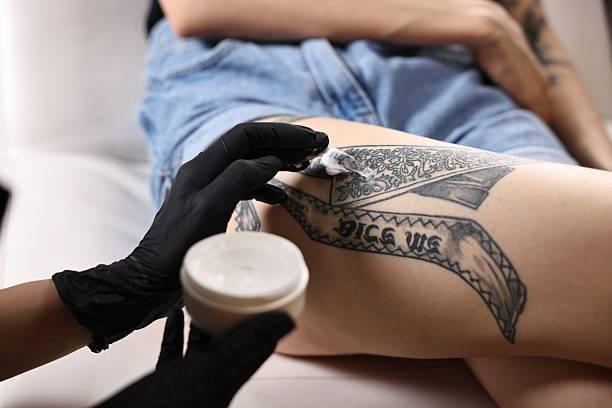
Laser tattoo removal works by targeting ink pigment while leaving surrounding skin untouched—but that distinction is harder to achieve on some skin tones than others. Melanin, the pigment that gives skin its color, competes with tattoo ink for laser energy. Laser tattoo removal in Riyadh This means skin type influences which lasers are safe, how sessions are planned, and what risks deserve attention. Understanding your skin type’s role helps you ask better questions, choose the right provider, and set realistic expectations before treatment begins.
The Science: Melanin and Laser Energy
Laser devices emit light at specific wavelengths absorbed by particular pigments. Tattoo ink and melanin both absorb laser energy—sometimes at overlapping wavelengths. On lighter skin, the contrast between ink and skin is high, making it easier to target ink selectively. On darker skin, melanin absorbs more energy, which can cause unintended heating of surrounding tissue if the wrong wavelength or settings are used. This is why skin type isn’t a minor detail—it’s central to safe and effective treatment planning.
The Fitzpatrick Scale Explained
Dermatologists commonly use the Fitzpatrick scale to classify skin types from I (very fair) to VI (deeply pigmented). The scale estimates how skin responds to ultraviolet exposure—and by extension, how it may respond to laser energy. Providers use it to select appropriate wavelengths, adjust fluence (energy settings), and anticipate risks. Knowing your Fitzpatrick type helps you understand why your treatment plan may differ from someone else’s, even for similar tattoos.
Which Lasers Suit Which Skin Types?
Q-switched lasers have long been used across skin types, but darker skin requires careful wavelength selection—typically longer wavelengths like 1064nm, which melanin absorbs less than shorter wavelengths. Picosecond lasers offer faster pulse durations that may reduce thermal damage risk on darker skin. Nd:YAG (1064nm) lasers are often preferred for deeper skin tones, while Alexandrite (755nm) lasers are generally better suited to lighter skin. Ask your provider which device they’ll use and why it fits your skin type—specific answers indicate expertise.
Risks Specific to Darker Skin Tones
Darker skin faces particular risks: hypopigmentation (lightening of treated skin), hyperpigmentation (darkening), and in rare cases, scarring from excessive thermal injury. These risks are manageable with appropriate technology, conservative settings, and skilled technique—but they’re real. Providers experienced with darker skin types adjust energy levels, use cooling methods, and space sessions appropriately. If a provider dismisses these concerns or claims skin type doesn’t matter, consider seeking another opinion.
Why Experience With Your Skin Type Matters
Tattoo removal is not equally straightforward across all skin tones. Providers who regularly treat diverse skin types develop judgment about settings, wavelength selection, and risk management that generalists may lack. Ask directly: How many patients with my skin type have you treated? What adjustments do you make for melanin-rich skin? Can you show before-and-after examples on similar skin tones? Specific, confident answers—backed by examples—demonstrate the experience that protects your skin.
How Skin Type Affects Session Planning
Darker skin often requires more conservative settings and potentially more sessions, spaced appropriately to allow healing and reduce pigmentation risk. Providers may start with lower fluence and increase gradually based on response. This isn’t a disadvantage—it’s appropriate care. Understanding that your timeline may differ from a fair-skinned friend’s prevents frustration and reinforces the importance of choosing a provider who prioritizes safety over speed.
Tanning and Sun Exposure
Sun exposure affects all skin types but poses particular concerns for laser treatment. Tanned skin has increased melanin activity, raising the risk of pigmentation changes and complications. Providers typically advise avoiding sun exposure and tanning beds for weeks before and after sessions. For darker skin, this guidance is even more critical. Follow it carefully—sun protection isn’t optional; it’s part of the treatment protocol.
Questions to Ask During Consultation
Ask directly: What is my Fitzpatrick skin type, and how does it affect my plan? Which laser wavelength will you use, and why is it suitable for my skin? What are my specific risks—hypopigmentation, hyperpigmentation, scarring—and how will you manage them? How many patients with my skin type have you treated? Clear, specific answers demonstrate expertise; vague reassurances should prompt a second opinion.
Common Misconceptions
Watch for these myths: that laser removal is equally safe for all skin types with any device, that darker skin can’t be treated at all (it can, with appropriate technology), or that skin type doesn’t affect outcomes. None holds up. Skin type shapes technology choice, settings, session spacing, and risk management. Providers who treat it as irrelevant are not practicing carefully.
When to Seek Professional Guidance
If you have darker skin or a history of pigmentation issues, professional evaluation is especially important. An assessment can determine your skin type, identify risks, and recommend appropriate technology. For personalized guidance on laser tattoo removal for your skin type, a consultation with qualified professionals offers clarity and safe direction.
Final Thoughts: Skin Type Shapes the Plan
Skin type isn’t a footnote in laser tattoo removal—it’s a central factor determining which lasers are safe, how sessions are planned, and what risks deserve attention. Melanin competes with ink for laser energy, making wavelength selection and conservative settings essential on darker skin. Ask specific questions, choose providers experienced with your skin type, and follow sun-protection guidance carefully. Your skin type doesn’t prevent successful removal—it shapes how you get there.
Book an Appointment Consultation Clinic
For those seeking expert guidance and customized aesthetic care, you can book an appointment consultation at the Enfield Royal Riyadh.
FAQs
Does skin type affect laser tattoo removal?
Yes—melanin competes with ink for laser energy, influencing wavelength choice, settings, and risk management.
Is laser tattoo removal safe for darker skin?
Yes, with appropriate technology—longer wavelengths and conservative settings—and an experienced provider.
What risks are higher for darker skin tones?
Hypopigmentation, hyperpigmentation, and scarring from excessive thermal injury—manageable with proper technique.
Which laser is best for dark skin tattoo removal?
Nd:YAG (1064nm) lasers are often preferred; picosecond devices may also reduce thermal risk with expert settings.
Why does skin type affect session planning?
Darker skin often requires lower fluence and adjusted spacing to minimize pigmentation risks and allow healing.