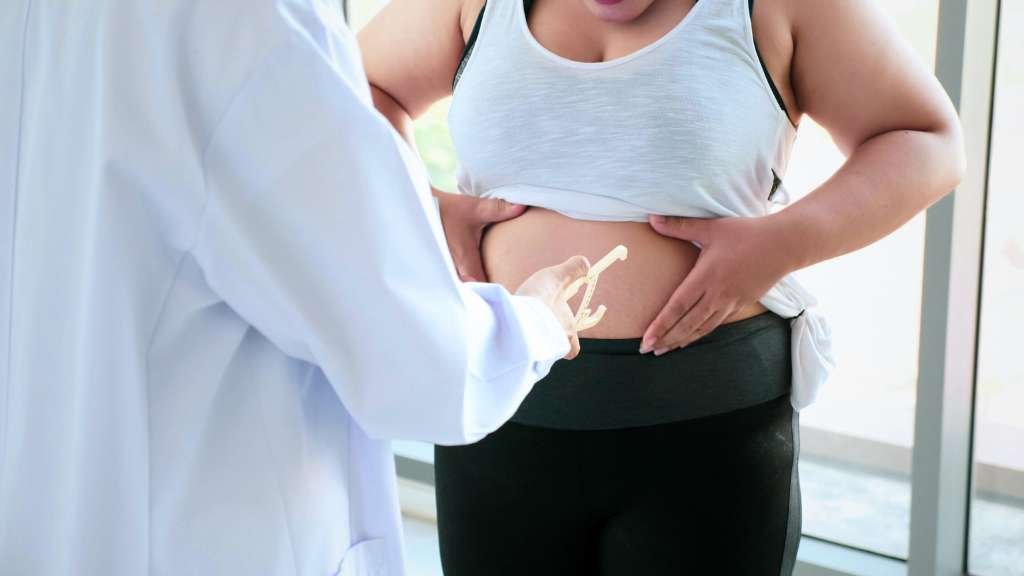
Preparing properly for an endoscopic weight-management procedure is essential for ensuring a smooth appointment and setting realistic expectations for your results. Many individuals explore Gastric Botox in Abu Dhabi because it offers a minimally invasive option designed to support appetite control and slower stomach emptying without external incisions. Taking time to organize your pre-procedure routine helps your medical team perform the examination safely while positioning you to build sustainable habits afterward.
-
Key Takeaways: Thoughtful preparation centers on medical readiness, strict fasting rules, medication adjustments, logistics planning, and lifestyle alignment. Following pre-appointment instructions carefully supports both safety during endoscopy and long-term consistency with nutrition.
Understanding the Procedure Before You Prepare
Knowing what happens during a gastric botulinum toxin injection makes every preparation step easier to follow. The treatment uses a thin, flexible tube equipped with a light and camera—called an endoscope—guided gently through the mouth into the stomach while you are sedated. Targeted injections into specific areas of the stomach wall temporarily reduce muscle contractions, helping food stay in the stomach slightly longer so you can feel full sooner and remain satisfied for a longer period.
-
Key Takeaways: The procedure is endoscopic rather than surgical, relies on sedation for comfort, and works by temporarily slowing gastric emptying to support fullness. Understanding this mechanism clarifies why an empty stomach and post-treatment eating habits matter so much.
How Appetite and Fullness Shift Over Time
Unlike instant surgical changes, the effects of gastric botulinum toxin develop gradually over days rather than hours. Most people begin noticing changes in appetite or earlier fullness roughly one week to ten days after the session, and the overall effect is temporary—typically lasting a few months before gradually wearing off. Because the biological window is finite, preparing your mindset and daily routines ahead of time helps you make the most of the period when appetite cues feel more manageable.
-
Key Takeaways: Appetite shifts typically emerge within about a week to ten days and remain temporary over several months. Treating the active window as a structured habit-building phase maximizes value.
Pre-Procedure Medical Evaluation and Candidacy
Preparation begins well before the day of the appointment with a thorough review of your overall health and weight history. A medical assessment typically evaluates your body mass index, past weight-loss attempts, eating patterns, digestive history, and current health conditions such as diabetes, reflux, thyroid concerns, or prior stomach issues. Identifying underlying digestive concerns beforehand ensures your stomach lining and motility are appropriately evaluated before any endoscopic injection takes place.
-
Key Takeaways: A complete health and weight history review confirms whether the approach fits your profile and screens for digestive or metabolic factors. Sharing accurate information early prevents last-minute surprises on the day of your appointment.
Reviewing Medications and Supplements
A careful medication review is one of the most important parts of preparing for an endoscopic procedure. Prescription drugs, over-the-counter remedies, herbal supplements, and blood-thinning or diabetes medications may need temporary timing or dose adjustments leading up to your appointment. Never stop or alter prescribed medications on your own; always follow personalized timing instructions provided before your visit.
-
Key Takeaways: Every regular medication and supplement should be disclosed ahead of time so timing can be planned safely. Strict adherence to pre-procedure medication instructions protects your safety before and during sedation.
Fasting Rules and Day-Before Guidelines
An empty stomach is critical for safe, clear endoscopic visualization and sedation. You will be given specific cutoff times for solid foods and liquids. Often transitioning from a clear liquid window to nothing by mouth for several hours right before the procedure. Avoiding alcohol and abstaining from smoking or vaping ahead of the appointment are also standard expectations because they can interfere with digestion, tissue comfort, and smooth recovery.
-
Key Takeaways: Following fasting cutoffs to the letter ensures clear endoscopic visibility and lowers procedure-related complications. Skipping alcohol and tobacco ahead of your visit further supports smooth preparation.
Organizing Your Morning Routine and Transportation
Because sedation is typically used during endoscopy, you will feel groggy or drowsy afterward and will not be able to drive yourself home. Arranging a trusted adult to accompany you, handle transportation, and assist you for the rest of the day should be finalized in advance. Choosing loose, comfortable clothing, leaving valuables at home, and clearing your schedule for the remainder of the day makes check-in and post-procedure rest far less stressful.
-
Key Takeaways: Post-sedation drowsiness requires pre-arranged transportation and a calm schedule for the rest of the day. Simple practical touches like loose clothing and leaving valuables behind streamline arrival.
Aligning Nutrition and Daily Habits Ahead of Time
Gastric botulinum toxin works best when paired with structured nutrition, balanced meals, and regular physical activity rather than treated as a standalone fix. Before your appointment, start observing your current eating rhythm—such as meal frequency, snacking triggers, liquid calories, and how quickly you eat. Building awareness now makes it easier to transition into smaller portions, mindful chewing, and nutrient-dense choices once your appetite begins to shift.
-
Key Takeaways: Sustainable progress depends on pairing the procedure with intentional eating habits and movement. Tracking current eating patterns beforehand gives you a clear baseline for post-procedure adjustments.
Preparing Your Kitchen for Staged Post-Procedure Eating
Many care plans guide patients through a gradual progression after endoscopy—starting with hydrating liquids and soft, gentle foods before moving back to regular balanced meals. Stocking your kitchen ahead of time with approved fluids, broths, yogurt, smoothies or soft proteins. And wholesome ingredients saves you from shopping while tired. Planning ahead also helps you steer clear of heavy, greasy, or sugary foods that can leave you feeling sluggish or uncomfortable.
-
Key Takeaways: Having gentle fluids and soft, nourishing foods ready at home simplifies the first days after your appointment. Pre-stocking supportive staples reduces reliance on convenient, calorie-dense snacks during recovery.
Frequently Asked Questions
How many hours before the procedure do I need to fast?
Exact fasting times vary depending on your appointment schedule and pre-procedure instructions. But you will typically be asked to stop eating solid foods well in advance and avoid all food and drink for a set window prior to sedation. Always follow the exact timeline given in your preparation sheet. As eating or drinking too late can delay or cancel the procedure.
-
Key Takeaways: Exact fasting windows depend on your specific instructions, with a strict nothing-by-mouth period right before sedation. Following the exact cutoff protects your appointment schedule and safety.
Can I take my daily medications on the morning of treatment?
Some essential morning medications may be permitted with a tiny sip of water, while others. Such as certain blood thinners, diabetes medications, or acid-reducing drugs—may need adjustment beforehand. Confirm each medication on your list during your pre-procedure review so you know exactly what to take and what to hold.
-
Key Takeaways: Medication rules on the morning of treatment depend on the specific drug and your health profile. Never guess—verify every prescription and supplement before procedure day.
Do I need someone to drive me home after the appointment?
Yes, because sedating medications remain active in your system for hours after the endoscopy. You should plan for a responsible adult to drive you home and avoid driving or making major decisions for the rest of the day. Having support arranged ahead of time ensures a smooth discharge once recovery monitoring wraps up.
-
Key Takeaways: Sedation makes driving unsafe afterward, so pre-arranging a ride home is essential. Plan for a quiet rest day once you return home.
What changes should I make to my diet before the procedure?
In the days leading up to your appointment, focus on balanced, hydrating meals and avoid heavy, overly rich, or sugary foods. Then transition strictly to the fasting and clear-liquid rules given for the final hours before your visit. Starting to eat slowly, chew thoroughly, and pay attention to fullness cues early also helps build habits that support your results afterward.