
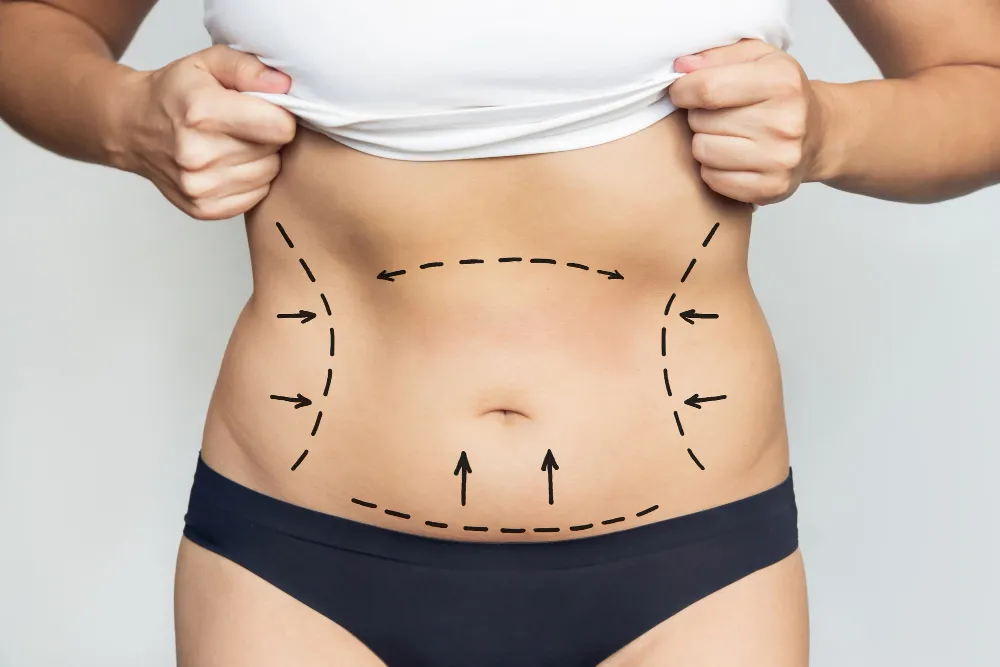
Body contouring has become an increasingly popular topic for individuals looking to refine their natural physique when diet and exercise reach their limits. Many prospective patients wonder whether surgical fat removal techniques deliver equally effective results across different biological sexes, and seeking clarity on procedures like Liposuction Abu Dhabi often marks the first step toward understanding how personalized body sculpting works. Both men and women can achieve significant, lasting improvements in body proportions, provided the approach accounts for unique anatomical differences, fat distribution patterns, and aesthetic goals.
-
Universal Effectiveness: Surgical fat removal works effectively for both men and women by permanently eliminating stubborn adipose tissue.
-
Anatomical Customization: Successful outcomes rely on tailoring the sculpting technique to biological differences in skin thickness, muscle structure, and fat storage.
-
Targeted Refinement: The procedure focuses on reshaping specific trouble zones rather than serving as a general weight-loss method.
How Fat Distribution Differs Between Men and Women
Biological hormones play a primary role in determining where the human body stores excess energy. Estrogen typically encourages women to store subcutaneous fat around the hips, thighs, buttocks, and lower abdomen, creating a softer silhouette. Conversely, testosterone influences men to accumulate fat primarily in the abdominal region, flanks, and chest area, often accompanied by denser fibrous tissue.
-
Hormonal Influence: Estrogen and testosterone dictate distinct fat storage patterns across the male and female bodies.
-
Female Fat Patterns: Women commonly experience stubborn fat deposits in the lower body, outer thighs, and upper arms.
-
Male Fat Patterns: Men tend to hold excess fat around the midsection, love handles, and pectoral region.
Structural Differences in Fat and Skin
Beyond location, the physical composition of fat cells and overlying skin varies noticeably between the sexes. Men generally possess thicker skin and a higher concentration of fibrous connective tissue mixed within their fat layers, which can make fat extraction slightly more demanding. Women usually have thinner, more elastic skin and softer fat deposits, allowing for smooth, sweeping contours when excess volume is removed.
-
Tissue Density: Male fat is frequently more fibrous and compact, requiring specialized energy-assisted techniques for smooth removal.
-
Skin Elasticity: Female skin often exhibits different elasticity characteristics, influencing how smoothly the skin retracts post-procedure.
-
Muscle Visibility: Sculpting techniques must respect underlying musculature, emphasizing athletic definition in men and graceful curves in women.
Core Mechanisms of Surgical Fat Removal
Regardless of gender, the fundamental science behind fat extraction remains consistent. During the procedure, a thin hollow tube called a cannula is inserted through tiny incisions to break up and suction out targeted subcutaneous fat cells. Because adult bodies do not generate new fat cells once they are physically removed, the reduction in volume within the treated area is permanent.
-
Permanent Cell Removal: Extracted fat cells do not regenerate, ensuring long-term contour improvements in treated zones.
-
Subcutaneous Focus: The technique targets fat located directly beneath the skin rather than deeper visceral fat surrounding internal organs.
-
Precision Sculpting: Surgeons maneuver the cannula carefully to create natural transitions between treated and untreated areas.
Modern Technological Enhancements
Advancements in aesthetic technology have made fat removal gentler and more adaptable to both male and female tissue types. Ultrasound-assisted and laser-assisted modalities liquefy dense fat cells prior to suctioning, which proves particularly beneficial for fibrous male chests or flanks. Meanwhile, power-assisted devices use gentle vibrations to allow effortless, precise contouring along delicate female curves.
-
Energy-Assisted Precision: Ultrasound and laser technologies break down tough, fibrous fat with minimal trauma to surrounding tissues.
-
Power-Assisted Efficiency: Gentle mechanical vibrations help sculpt larger or more delicate areas smoothly and evenly.
-
Enhanced Skin Contraction: Thermal energy from modern devices can stimulate collagen production, aiding skin tightening after volume reduction.
Popular Treatment Areas for Women
Women typically pursue body contouring to restore balance, enhance hourglass proportions, or eliminate localized pockets of fat that resist rigorous fitness routines. Pregnancy, hormonal shifts, and genetics often leave behind stubborn deposits that obscure natural waistlines or cause discomfort when wearing fitted clothing. Tailored sculpting helps smooth these transitions seamlessly.
-
Proportion Enhancement: Female body sculpting aims to harmonize upper and lower body measurements.
-
Stubborn Pocket Elimination: Procedures target genetically resistant fat pads that remain despite consistent caloric deficits.
-
Clothing Fit Improvement: Reducing localized volume allows garments to drape more comfortably and evenly across the body.
Abdomen, Flanks, and Thighs
The lower abdomen, outer thighs (often called saddlebags), and inner thighs represent the most frequently treated regions among female patients. Removing excess fat from the waist and flanks accentuates the natural curve of the hips, while inner thigh contouring reduces chafing and creates a sleeker leg profile.
-
Waistline Definition: Contouring the abdomen and waist creates a more tapered, proportionate midsection.
-
Thigh Harmonization: Treating inner and outer thighs balances leg proportions and improves overall silhouette symmetry.
-
Upper Arm and Chin Refinement: Smaller cannulas effectively slim the upper arms and sharpen the jawline by removing submental fullness.
Popular Treatment Areas for Men
Male patients increasingly seek body sculpting to achieve a sharper, more athletic V-taper physique. Even men who maintain strict strength-training regimens and clean diets often struggle with persistent fat around the lower abdomen and waist that hides underlying muscle definition. Surgical contouring removes this superficial layer to reveal the muscular structure beneath.
-
Athletic Definition: Male contouring focuses on uncovering abdominal and chest musculature rather than creating soft curves.
-
V-Taper Silhouette: Narrowing the waist and flanks enhances the visual contrast between broad shoulders and a trim midsection.
-
Targeted Stubborn Zones: Treatments address hormone-driven fat stores that resist cardiovascular and resistance training.
Flanks, Chest, and Submental Region
Love handles, chest fullness, and excess fat beneath the chin are primary concerns for men exploring body contouring. Reducing flank volume eliminates overhanging fullness above the waistband, while chest contouring flattens unwanted tissue for a firmer pectoral appearance. Submental sculpting sharpens the neck and jawline, projecting a stronger facial profile.
-
Love Handle Reduction: Removing flank fat creates straighter, cleaner lateral torso lines.
-
Chest Contouring: Addressing excess pectoral fat restores a flatter, more masculine chest contour.
-
Jawline Sharpening: Eliminating double-chin fullness defines the transition between the neck and lower face.
Ideal Candidacy Criteria for Both Sexes
Determining whether someone is a suitable candidate depends on overall physical health, skin quality, and realistic expectations rather than gender. Ideal candidates are adults who are already near their target body weight—typically within 15 to 20 percent—and maintain stable lifestyle habits. Good skin elasticity is essential so that the skin can shrink smoothly over the newly reduced contours without sagging.
-
Weight Stability: Candidates should be close to their ideal weight, as the procedure refines shape rather than treating obesity.
-
Skin Quality: Firm, elastic skin yields the smoothest aesthetic outcome following fat volume reduction.
-
Realistic Goals: Understanding that sculpting improves natural proportions rather than creating perfection ensures higher satisfaction.
Lifestyle Maintenance and Long-Term Results
While removed fat cells never return, remaining fat cells in untreated areas can still expand if a person experiences significant weight gain. Maintaining results requires ongoing commitment to balanced nutrition, regular physical activity, and proper hydration. Both men and women who uphold healthy routines enjoy permanent aesthetic improvements that age naturally with their bodies.
-
Remaining Cell Expansion: Significant weight gain can cause remaining fat cells elsewhere in the body to enlarge.
-
Fitness Synergy: Combining regular exercise with balanced nutrition preserves sculpted muscle tone and overall symmetry.
-
Enduring Confidence: Long-term adherence to healthy habits protects the refined silhouette for decades.
Frequently Asked Questions
How does the recovery timeline compare between men and women?
Recovery timelines are generally similar for both men and women, typically involving a few days of initial rest followed by a gradual return to light daily activities within a week. Wearing compression garments helps minimize swelling and supports tissue healing across both sexes, though men who undergo treatment on dense fibrous areas may experience slightly firmer swelling during the first few weeks.
Can liposuction create six-pack abs for men or an hourglass figure for women?
High-definition sculpting techniques can etch along natural muscle lines to enhance abdominal visibility in men or accentuate waist-to-hip curves in women. However, the procedure works with your existing anatomy—meaning underlying muscle tone and bone structure play a major role in the final visual outcome.
Does skin tighten differently for male and female patients after fat removal?
Male skin is typically thicker and contains more collagen, which can sometimes allow sturdy retraction, whereas female skin is softer and relies heavily on individual elasticity and age. In both cases, modern energy-assisted techniques help stimulate gentle skin contraction when mild laxity is present.
Will weight gain after the procedure affect men and women differently?
If weight is gained after treatment, both men and women will store new fat in their remaining fat cells according to their natural hormonal patterns. Men will still tend to accumulate weight around the upper abdomen, while women will distribute excess weight proportionally across untreated areas such as the hips or breasts.

