
. Why Clothing Colors Look Different in Different Environments
A garment may appear slightly different depending on the lighting around it. Natural daylight, indoor bulbs, shop lighting, and camera flashes can influence how people perceive colors. This matters when customers compare clothing photographs with the item they receive.
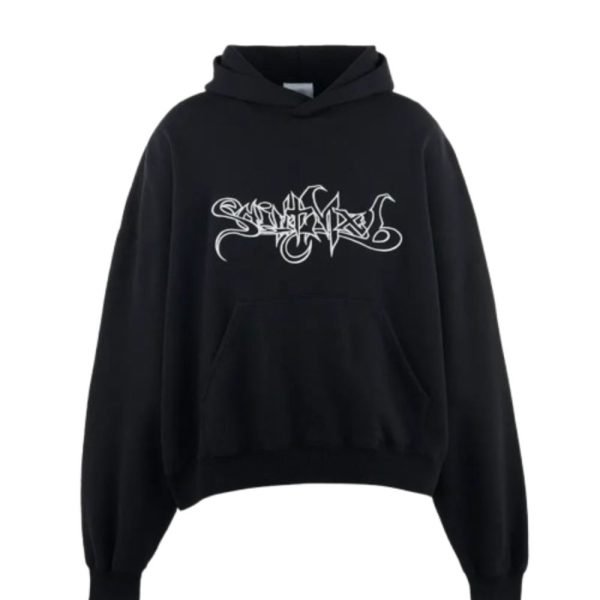
A Saint Michael hoodie photographed outdoors may look different from the same garment displayed under indoor lighting. This does not automatically mean the product has a different color. Understanding lighting conditions helps shoppers develop realistic expectations when purchasing clothing online.
2. Understanding Natural Daylight
Natural daylight provides a useful reference when assessing clothing colors. However, daylight changes throughout the day. Morning light, midday sunlight, and evening conditions can create different visual effects.
Direct sunlight may make some colors appear brighter, while shaded areas can make them look softer or darker. A black hoodie, for example, may reveal more fabric texture in bright light than it does in a dim room.
When reviewing Saint Michael clothing photographs, check whether the images were taken outdoors, in shade, or near a window. This information can help explain small differences in appearance.
3. How Indoor Lighting Changes Color Appearance
Indoor lighting varies according to bulb type and color temperature. Some lights produce a warmer appearance, while others create a cooler visual environment. These differences can influence how white, beige, grey, brown, and other shades appear.
Warm lighting may make neutral colors look more yellow or golden. Cooler lighting can make certain colors appear slightly blue. The effect depends on the light source, surrounding surfaces, and the observer’s environment.
For accurate product photography, retailers should use consistent lighting conditions across product images. This makes comparisons between different clothing colors more useful.
4. Why Phone and Computer Screens Show Different Colors
A product image is displayed through a digital screen, and screens do not all reproduce colors identically. Brightness, display settings, color profiles, and screen technology can influence the final appearance.
The same Saint Michael hoodie photograph may look different on a mobile phone, laptop, or desktop monitor. A screen with a very high brightness setting may make an image appear more vivid than it would on another device.
Customers should avoid changing screen settings simply to match a product photograph. Instead, use the written color description and available product images together when making a purchase decision.
5. The Importance of Consistent Product Photography
Consistent photography helps customers compare products more confidently. Retailers should avoid using completely different lighting environments for images of the same product when accurate color comparison is important.
A useful product gallery can include a main image, a close-up, and additional views taken under controlled conditions. These images should represent the same item without excessive filters or editing.
When photographing a Saint Michael hoodie, the camera’s white balance should also be considered. Incorrect white balance can make neutral shades appear warmer or cooler than they actually are.
6. Understanding Neutral Colors in Clothing
Neutral colors such as black, white, beige, cream, and grey are common in casual clothing. Although they may seem simple, their appearance can change noticeably under different lighting conditions.
Black fabric can reveal different levels of texture depending on light direction. Cream and beige may appear warmer under yellow indoor bulbs. Grey can look cooler or warmer according to nearby colors and lighting.
When selecting Saint Michael clothing, compare neutral shades using several photographs rather than relying on one image. Look for consistent details across the product gallery and written description.
7. How Surrounding Colors Influence Visual Perception
Colors do not appear in isolation. Nearby surfaces can influence how a garment is perceived. A beige hoodie photographed against a warm background may look different from the same garment photographed against a plain white background.
This effect is especially noticeable when comparing clothing photographs taken in different locations. Colored walls, artificial backgrounds, and nearby objects can influence the overall impression.
For more reliable comparisons, retailers can use simple backgrounds that do not compete with the garment. Customers should focus on the clothing itself instead of judging color through decorative surroundings.
8. Checking Product Colors Before Ordering Online
Customers can reduce uncertainty by reviewing the complete product gallery and reading the written color description. If the listing provides several photographs, compare the same area of the garment across the images.
For a Saint Michael hoodie, check the main body, sleeves, hood, cuffs, and graphic details. If a particular shade is important, ask the retailer whether the displayed color has been photographed under natural or artificial lighting.
Avoid assuming that a color name describes an exact standardized shade. Terms such as vintage black, faded grey, cream, and washed beige can refer to different appearances across products.
9. Photographing Clothing for Accurate Online Listings
Retailers should aim to present products as clearly as possible. Use suitable lighting, a clean background, accurate white balance, and restrained image editing. Avoid filters that significantly change the garment’s actual appearance.
Photographs should show useful details rather than relying entirely on artistic presentation. A close-up can help customers examine fabric texture, stitching, and printed artwork, while a full view communicates the overall design.
Clear images and honest descriptions improve the shopping experience. They also help customers understand what they are comparing when exploring Saint Michael clothing online.
10. Making Better Color Decisions
Choosing clothing colors online requires more than looking at a single photograph. Consider the written product description, multiple images, screen differences, lighting conditions, and the retailer’s return policy.
If two product photographs appear different, check whether they show different lighting conditions or camera settings. Ask the seller for clarification when the difference could affect your decision.
A Saint Michael hoodie should be selected according to its actual listing details and the customer’s color preference. Careful comparison reduces avoidable confusion and creates more realistic expectations before checkout.
Conclusion
Lighting conditions, digital screens, camera settings, and surrounding colors can all influence how clothing appears in photographs. Understanding these factors helps shoppers evaluate product images more carefully and avoid treating every visual difference as a product defect.
Before purchasing a Saint Michael hoodie, compare the available photographs, read the exact color description, and contact the retailer if an important detail remains unclear. Clear product presentation also helps customers explore Saint Michael clothing with greater confidence.
Frequently Asked Questions
1. Why does a Saint Michael hoodie look different in indoor and outdoor photographs?
Different lighting conditions can change how colors, shadows, and fabric textures appear in photographs.
2. Can mobile screens affect clothing color appearance?
Yes. Screen brightness, display settings, and color profiles can influence how product photographs appear.
3. Why can beige clothing look yellow in some photographs?
Warm artificial lighting and camera white balance can make beige shades appear more yellow or golden.
4. How can online stores display clothing colors more accurately?
They can use consistent lighting, neutral backgrounds, accurate white balance, and minimal color-altering editing.
5. What should I do if the product color is unclear?
Review all available images, read the written description, and ask the retailer for clarification before ordering.

