
Medically reviewed by Dr. Sannia Awais
Introduction
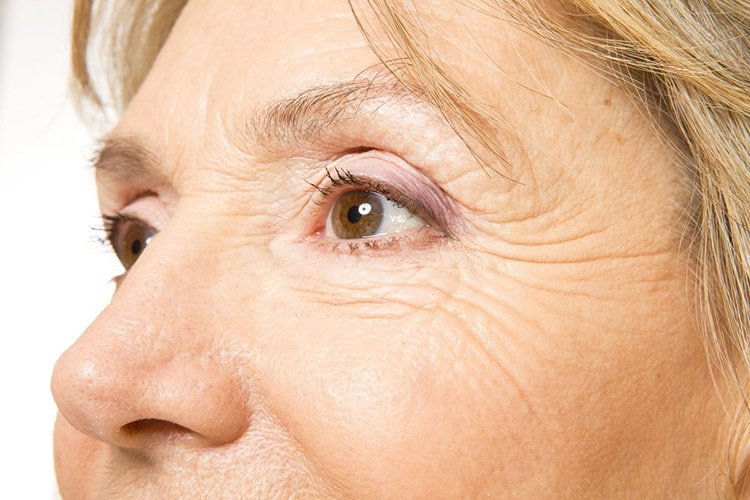
Fine lines and wrinkles are common signs of ageing that can develop due to reduced collagen, repeated facial expressions, sun exposure, and natural changes in skin elasticity. Although these changes are normal, many people look for treatments that help their skin appear smoother, fresher, and more youthful.
When considering Fine Lines and Wrinkle Removal in Abu Dhabi, two popular options are dermal fillers and laser skin treatments. Both can improve the appearance of ageing skin, but they work differently and address different concerns. Fillers restore lost volume and soften certain wrinkles, while laser treatments target skin texture, pigmentation, and collagen production.
Understanding the differences between these treatments can help you make a more informed decision. The right option depends on your skin condition, the type of wrinkles you have, your desired results, and professional medical advice.
What Is It?
Fine lines and wrinkle removal refers to cosmetic treatments designed to reduce visible wrinkles, improve skin texture, and address signs of facial ageing. Dermal fillers and laser treatments are two approaches that can help achieve these goals without traditional surgical procedures.
What Are Dermal Fillers?
Dermal fillers are injectable substances used to restore facial volume, soften wrinkles, and improve certain facial contours. Many commonly used fillers contain hyaluronic acid (HA), a substance naturally found in the body that helps retain moisture.
As the skin ages, it gradually loses collagen, elastin, and natural volume. This can contribute to deeper folds around the nose and mouth, hollow-looking cheeks, and lines around the lips.
Dermal fillers can help by:
- Adding volume to areas affected by age-related volume loss.
- Softening certain facial folds and static wrinkles.
- Improving the appearance of selected areas around the cheeks and mouth.
- Supporting facial contours and restoring a fuller appearance.
- Providing temporary results without surgical incisions.
The outcome depends on the filler type, injection technique, treatment area, and individual facial anatomy.
What Are Laser Treatments for Wrinkles?
Laser skin treatments use concentrated light energy to target specific layers of the skin. Depending on the technology, they can remove damaged outer skin cells, heat deeper tissues, or stimulate the body’s natural collagen production.
Some laser treatments are ablative, meaning they remove controlled layers of damaged skin. Others are non-ablative and work beneath the skin’s surface without removing the outer layer.
Laser treatments may help with:
- Fine lines around the eyes and mouth.
- Uneven skin texture and roughness.
- Sun-related skin damage.
- Certain pigmentation concerns.
- Mild skin laxity and early signs of ageing.
- Collagen stimulation and overall skin rejuvenation.
The results depend on the laser technology, treatment intensity, skin type, and number of sessions required.
How It Works and Its Benefits
Dermal fillers work by restoring volume beneath the skin, while laser treatments improve skin quality through controlled energy delivery. Both can reduce visible signs of ageing, but their mechanisms and benefits are different.
How Dermal Fillers Work
During a filler treatment, a qualified practitioner injects a carefully selected product into specific facial areas using a fine needle or cannula.
Hyaluronic acid fillers attract and hold water, helping restore volume and soften certain wrinkles. The practitioner selects the injection depth, product consistency, and quantity according to the treatment area.
Key benefits of dermal fillers include:
- Immediate volume improvement: Changes are often visible shortly after treatment, although swelling can temporarily affect the initial appearance.
- Softening facial folds: Fillers can reduce the appearance of selected static wrinkles and deeper folds.
- Restoring facial proportions: They can improve volume in areas such as the cheeks and selected facial contours.
- Minimal downtime: Most people can return to normal daily activities relatively quickly.
- Temporary treatment: Many hyaluronic acid fillers can be dissolved with hyaluronidase when medically appropriate.
However, fillers do not directly improve every type of wrinkle. They are generally less suitable for fine surface lines caused primarily by sun damage or poor skin texture.
How Laser Treatments Work
Laser treatments deliver controlled energy to targeted skin layers. Depending on the device, this energy may remove damaged surface cells or heat the underlying tissue to encourage collagen remodelling.
Collagen is an important structural protein that helps maintain skin firmness and elasticity. Its production naturally declines with age, contributing to wrinkles and skin laxity.
Key benefits of laser treatments include:
- Improved skin texture: Certain lasers help smooth rough or uneven skin.
- Reduction in fine lines: Resurfacing treatments can improve the appearance of superficial wrinkles.
- Collagen stimulation: Some laser technologies encourage new collagen formation over time.
- Improved sun damage: Selected devices can address certain pigmentation changes associated with ageing.
- Overall skin rejuvenation: Treatment may improve skin tone, texture, and the appearance of fine lines.
Laser treatments do not restore significant facial volume. Their primary purpose is to improve skin quality rather than replace lost fat or support deeper facial structures.
Can Fillers and Lasers Be Combined?
Yes. In selected cases, dermal fillers and laser treatments can complement each other because they address different signs of ageing.
For example, someone with hollow cheeks and fine lines caused by sun damage may benefit from a treatment plan that addresses both volume loss and skin texture.
However, combining treatments is not suitable for everyone. The order and timing should be determined by a qualified practitioner to reduce irritation, swelling, and other complications.
Who Is a Good Candidate?
A good candidate for fillers or laser wrinkle treatments is someone with realistic expectations, suitable skin or facial concerns, and no medical contraindications. The best treatment depends on the underlying cause of the wrinkles.
Suitable Candidates for Dermal Fillers
Dermal fillers may be appropriate for individuals who:
- Have moderate facial volume loss.
- Notice deeper folds around the nose and mouth.
- Have hollow cheeks or selected areas of facial volume deficiency.
- Want to improve certain static wrinkles.
- Prefer a non-surgical approach to facial rejuvenation.
- Understand that results are temporary and maintenance may be required.
People with active skin infections, certain allergies, or specific medical conditions may not be suitable. A medical assessment is important before treatment.
Suitable Candidates for Laser Treatments
Laser treatments may be suitable for individuals who:
- Have fine surface wrinkles.
- Experience uneven skin texture.
- Have mild sun damage or selected pigmentation concerns.
- Want to improve overall skin quality.
- Prefer treatments that stimulate collagen production.
- Can follow the recommended aftercare and sun protection routine.
Skin tone is an important consideration when choosing laser technology. Some lasers carry a higher risk of post-inflammatory hyperpigmentation, particularly in darker skin tones. A practitioner experienced in treating different skin types should assess the risks and select an appropriate device.
Pregnancy, active infections, recent tanning, a history of abnormal scarring, and certain medications may affect treatment suitability.
Fillers vs Lasers: Which Treatment Is Better?
Neither treatment is universally better because fillers and lasers address different ageing concerns. Fillers are generally more suitable for volume loss and deeper folds, while lasers are often preferred for fine surface lines, texture concerns, and sun-damaged skin.
| Feature | Dermal Fillers | Laser Treatments |
|---|---|---|
| Main purpose | Restore volume and soften folds | Improve skin texture and reduce fine lines |
| Treatment method | Injectable products | Controlled light or laser energy |
| Best for | Volume loss and selected static wrinkles | Surface wrinkles, texture, and selected sun damage |
| Results | Often visible immediately | Develop gradually, depending on the technology |
| Collagen stimulation | Not the primary mechanism of traditional HA fillers | Some lasers stimulate collagen production |
| Downtime | Usually minimal | Varies from minimal to several days or longer |
| Treatment sessions | Often one session, with possible touch-ups | May require multiple sessions |
| Duration | Temporary; varies by product and area | Varies by laser, skin condition, and maintenance |
| Main risks | Bruising, swelling, infection, vascular complications | Redness, swelling, burns, pigmentation changes, scarring |
Which Option Should You Choose?
Your choice should depend on the specific concern you want to address.
- Choose fillers: If your main concern is lost facial volume, hollow cheeks, or deeper folds.
- Consider lasers: If you want to improve fine lines, uneven texture, or visible sun damage.
- Discuss combination treatment: If you have both volume loss and surface skin concerns.
A professional assessment can help determine whether one treatment or a combination is appropriate for your facial structure and skin condition.
Cost and Recovery
The cost and recovery time of fine lines and wrinkle treatments vary according to the procedure, treatment area, technology, product, and individual needs. Fillers generally involve less downtime, while some laser resurfacing procedures require a longer healing period.
Dermal Filler Cost and Recovery
The cost of dermal fillers depends on several factors:
- Type and brand of filler used.
- Number of syringes required.
- Treatment area and complexity.
- Practitioner’s qualifications and experience.
- Whether additional sessions or touch-ups are needed.
After filler injections, mild swelling, redness, tenderness, and bruising are common. These effects usually improve within several days, although some swelling may last longer.
Patients are generally advised to avoid unnecessary pressure on the treated area, strenuous exercise for the period recommended by their practitioner, and excessive heat immediately after treatment.
Rare but serious complications include infection, allergic reactions, lumps, and accidental injection into a blood vessel. Vascular occlusion can cause tissue damage and, in very rare cases, blindness. Sudden severe pain, skin blanching or unusual colour changes, or any visual disturbance after treatment require immediate medical attention.
Laser Treatment Cost and Recovery
Laser treatment costs depend on:
- The type of laser technology.
- Size of the treatment area.
- Number of sessions needed.
- Treatment intensity and skin condition.
- Whether additional skin rejuvenation procedures are recommended.
Recovery varies significantly between laser types.
Non-ablative treatments may cause temporary redness, warmth, or mild swelling, with relatively little downtime. Ablative resurfacing can involve redness, swelling, peeling, crusting, and a longer healing period.
Possible complications include burns, infection, scarring, changes in skin pigmentation, and prolonged redness. Some people, particularly those prone to pigmentation changes, may need additional precautions.
Following aftercare instructions is essential. Patients should use suitable sunscreen, avoid picking or rubbing peeling skin, and follow their practitioner’s skincare recommendations.
Frequently Asked Questions
1. Are Fillers or Lasers Better for Fine Lines and Wrinkles?
It depends on the type of wrinkles. Fillers are generally more effective for restoring lost volume and softening deeper folds, while lasers can improve fine surface lines, skin texture, and certain signs of sun damage.
2. How Long Do Dermal Filler Results Last?
Dermal filler results vary depending on the product, treatment area, metabolism, and injection technique. Many hyaluronic acid fillers last approximately 6–18 months, although some products and treatment areas may have shorter or longer durations.
3. How Many Laser Sessions Are Needed to Reduce Wrinkles?
Some laser treatments produce noticeable improvement after one session, while others require a series of treatments. The number depends on the laser type, severity of wrinkles, skin condition, and desired outcome.
4. Can Laser Treatments and Dermal Fillers Be Combined?
Yes, they can be combined in selected cases to address both volume loss and skin texture. However, treatment timing and suitability must be assessed by a qualified practitioner to minimise potential complications.
5. Are Fine Line and Wrinkle Treatments Permanent?
No. Most non-surgical wrinkle treatments provide temporary improvements. Fillers are gradually broken down by the body, while laser results may change as the skin continues to age. Maintenance treatments and consistent skincare may help preserve improvements.
Conclusion
Dermal fillers and laser treatments offer different approaches to reducing fine lines and wrinkles. Fillers help restore lost facial volume and soften selected deeper folds, whereas lasers target skin texture, surface wrinkles, sun damage, and collagen production.
Choosing between them depends on your skin condition, facial anatomy, treatment goals, and medical suitability. Factors such as skin tone, medical history, recovery expectations, and potential side effects should also be considered before proceeding.
If you are considering Fine Lines and Wrinkle Removal in Abu Dhabi, consult a qualified practitioner for a personalised assessment. A professional can explain the available options, discuss realistic outcomes, review potential risks, and recommend a treatment plan that suits your individual needs.

