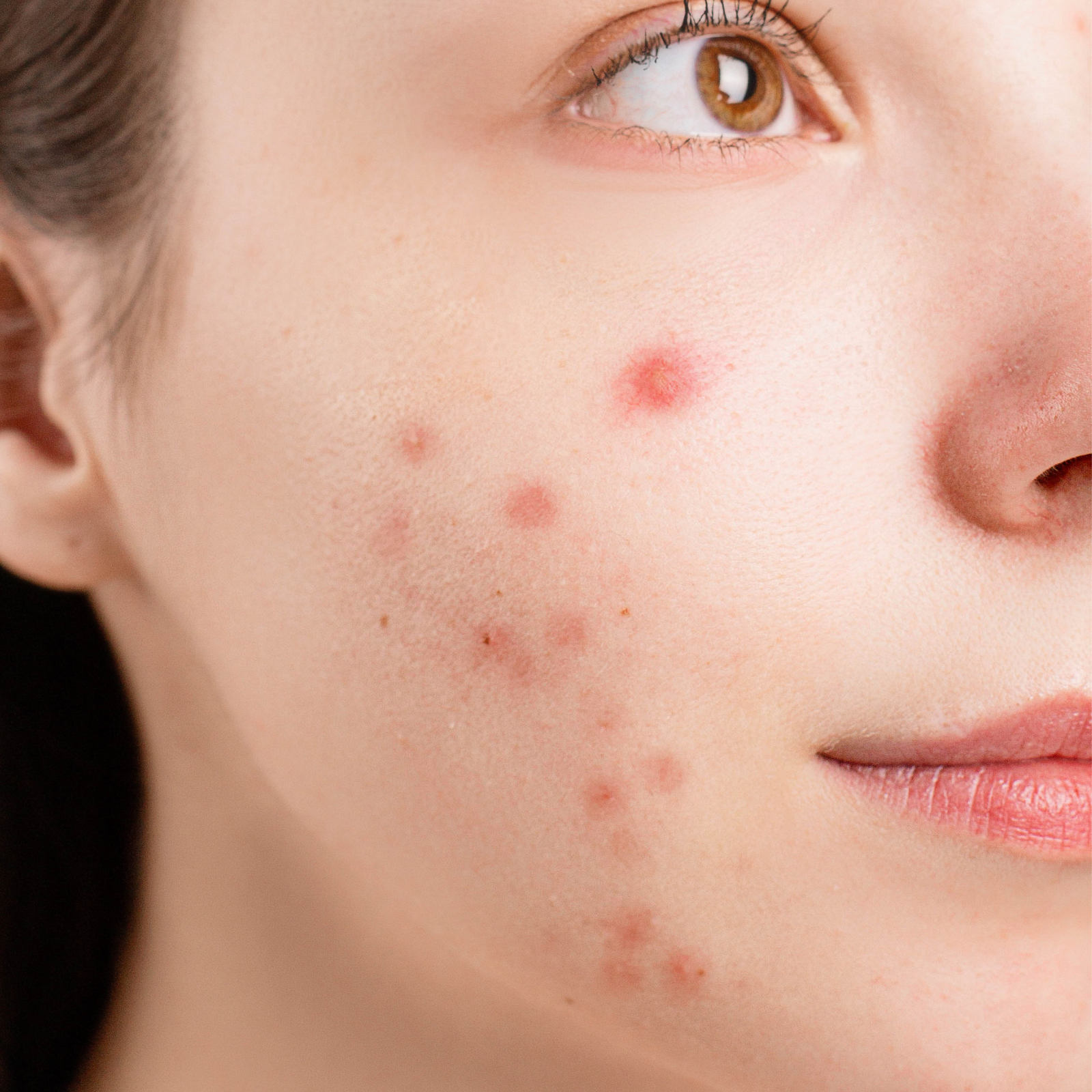
Acne scar removal focuses on reducing the appearance of marks, depressions, uneven texture and pigmentation left behind after acne. The right treatment depends on the type of scar and your skin condition. A dermatologist can examine the skin, identify the type of scarring and suggest suitable treatment options to improve its appearance and texture.
Table of Contents
- What Is Acne Scar Removal and How Does It Work?
- What Causes Acne Scars and Marks to Develop?
- What Are the Different Types of Acne Scars?
- When Should You See a Dermatologist in Roorkee for Acne Scars?
- How Is Acne Scar Removal Planned by a Dermatologist?
- What Treatment Options Are Available for Acne Scar Removal?
- How Can Skincare Support Acne Scar Treatment?
- How Long Does Acne Scar Removal Take to Show Results?
- Common Mistakes That Can Make Acne Scars More Noticeable
- Benefits and Limitations of Acne Scar Removal
- Common Misconceptions About Acne Scars
- Related Questions About Acne Scar Removal
- Frequently Asked Questions About Acne Scar Removal
- Summary
What Is Acne Scar Removal and How Does It Work?
Acne scar removal refers to treatments that help improve scars, pigmentation and uneven skin texture left behind after acne. The main goal is to make scars less noticeable and help the skin look smoother and more even.
However, not every mark left after acne is actually a scar. Some people develop post-inflammatory hyperpigmentation, which appears as brown or dark spots after a pimple heals. Others may develop depressed or raised scars that change the texture of the skin.
Since different types of acne scars respond differently to treatment, identifying the problem correctly is an important first step.
What Causes Acne Scars and Marks to Develop?
Acne can sometimes cause inflammation deep within the skin. When this inflammation affects the skin’s collagen during the healing process, it can leave behind a lasting change in the skin’s texture.
Several factors can increase the chances of developing noticeable acne scars:
- Picking, squeezing or scratching pimples
- Severe or deep inflammatory acne
- Leaving persistent acne untreated
- Repeated inflammation in the same area
- Differences in how individual skin heals
- Sun exposure without proper protection
Dark spots left after acne can also become more noticeable with sun exposure, especially when the skin is already irritated or inflamed.
What Are the Different Types of Acne Scars?
Knowing what type of acne scar you have can help in deciding which treatment may be suitable.
| Type | Common Appearance | General Concern |
| Ice pick scars | Small, narrow and deep depressions | Deeper changes in skin texture |
| Boxcar scars | Wider depressions with more defined edges | Uneven skin surface |
| Rolling scars | Broad and shallow depressions | Wavy or uneven texture |
| Raised scars | Firm or elevated areas | Scar tissue rises above the skin |
| Dark acne marks | Brown or darker flat spots | Uneven skin tone |
| Red acne marks | Flat reddish or pink areas | Post-acne discoloration |
It is also possible to have more than one type of scar at the same time. This is why a proper skin assessment can be helpful before choosing an acne scar removal treatment.
When Should You See a Dermatologist in Roorkee for Acne Scars?
If your acne has healed but has left behind persistent depressions, uneven texture, raised scars or pigmentation, you may consider consulting a Dermatologist in Roorkee.
A consultation can help determine whether you are dealing with active acne, pigmentation, true scarring or a combination of these concerns.
Professional advice can be particularly useful when:
- Acne scars have remained for several months.
- The scars are deep or clearly visible.
- Your skin texture has become uneven.
- New acne continues to appear along with older scars.
- Home skincare has not given the improvement you expected.
- You are considering a procedure for reducing acne scars.
If active acne is still present, treating it may also be important because new breakouts can lead to additional marks and scars.
How Is Acne Scar Removal Planned by a Dermatologist?
Acne scar treatment usually begins with a proper skin assessment rather than immediately choosing a procedure.
Step 1: Skin and Scar Assessment
The dermatologist examines your skin to understand the type, depth and location of the scars.
Step 2: Check for Active Acne
If you are still experiencing breakouts, controlling active acne may become an important part of the overall treatment plan.
Step 3: Identify the Main Skin Concern
The treatment approach can be different depending on whether your main concern is pigmentation, redness, depressed scars, raised scars or uneven texture.
Step 4: Choose Suitable Treatment Options
Depending on your skin and scar type, a dermatologist may recommend topical treatments, chemical peels, microneedling, laser-based procedures, subcision or other suitable approaches.
Step 5: Monitor the Skin’s Response
Acne scar improvement usually takes time. Follow-up appointments can help determine whether treatment should be continued, adjusted or combined with another approach.
What Treatment Options Are Available for Acne Scar Removal?
There is no single acne scar treatment that works equally well for everyone. The appropriate option depends on the type of scar, its depth and the condition of your skin.
Topical Treatments
Creams or gels may be recommended for certain types of post-acne pigmentation and other skin concerns. They can be useful when the main issue is discoloration rather than a deeper structural scar.
Chemical Peels
Chemical peels use specific solutions to exfoliate controlled layers of the skin. Depending on the formulation and the skin concern, they may help improve pigmentation, skin tone and some types of superficial texture irregularities.
Microneedling
Microneedling creates controlled microscopic punctures in the skin to stimulate its natural healing response. It may be considered for certain types of depressed acne scars and uneven skin texture.
Laser-Based Treatments
Certain laser treatments can be used to address pigmentation or improve skin texture. The choice of laser depends on factors such as the type of scar, skin characteristics and the desired treatment outcome.
Subcision
Subcision may be considered for selected depressed acne scars. The procedure works by releasing fibrous bands beneath the scar that can pull the skin downward.
Combination Treatment
Some people have several types of acne scars in different areas of the face. In such cases, a dermatologist may recommend combining different treatments rather than relying on just one approach.
How Can Skincare Support Acne Scar Treatment?
Professional treatment is only one part of managing acne scars. Maintaining a simple and consistent skincare routine can help protect the skin and support the overall treatment process.
Use Sunscreen Regularly
Sun exposure can make post-acne pigmentation more noticeable. Using a broad-spectrum sunscreen as recommended by a skincare professional can help protect the skin.
Avoid Picking at Acne
Repeatedly squeezing or picking pimples can increase inflammation and may increase the risk of developing marks and scars.
Keep Your Skincare Routine Simple
Using too many strong active ingredients at the same time can irritate the skin. A dermatologist can help you understand which products may be appropriate for your skin.
Keep Active Acne Under Control
If new acne continues to appear, managing the underlying acne is important to reduce the chances of developing additional scars.
How Long Does Acne Scar Removal Take to Show Results?
Acne scar removal is generally a gradual process rather than something that changes the skin overnight. The time needed can depend on the type and depth of the scars, the treatment chosen and how your skin responds.
Superficial pigmentation may improve differently from deeper depressed scars. Some procedures may require multiple sessions, while improvement can continue gradually after treatment as the skin heals and undergoes natural remodeling.
Having realistic expectations and following the recommended aftercare can make the treatment process easier to manage.
Common Mistakes That Can Make Acne Scars More Noticeable
Certain everyday habits can irritate the skin or increase the chances of developing additional marks.
Picking or squeezing pimples: This can increase inflammation and potentially damage the surrounding skin.
Using harsh scrubs: Aggressive physical exfoliation can irritate skin that is already sensitive.
Skipping sunscreen: Regular sun exposure can contribute to persistent pigmentation.
Trying too many products: Using several strong ingredients together without proper guidance can cause irritation.
Ignoring active acne: Treating old scars while new inflammatory acne continues may lead to additional marks.
Expecting instant results: Skin healing and collagen remodeling take time, so acne scar treatment generally requires patience.
Benefits and Limitations of Acne Scar Removal
Potential Benefits
Depending on the type of scar and the treatment used, acne scar treatment may help:
- Improve uneven skin texture
- Reduce the appearance of depressed scars
- Improve certain types of pigmentation
- Make scars less noticeable
- Create a more even-looking skin surface
Important Limitations
Acne scar treatment cannot always make scars disappear completely. Deeper or long-standing scars may require multiple treatment sessions or a combination of different approaches.
Results can also vary from one person to another. The skin may continue to change after treatment, and following proper aftercare is important for supporting the improvement.
Common Misconceptions About Acne Scars
“Every dark spot is an acne scar.”
Not necessarily. A flat dark spot may be post-inflammatory pigmentation rather than a structural acne scar. These two concerns can require different treatment approaches.
“Acne scars disappear quickly on their own.”
Some post-acne marks may gradually fade over time, but true textural scars can remain for much longer and may require targeted treatment.
“One treatment works for every scar.”
Different acne scars have different structures. A treatment that may help pigmentation may not provide the same benefit for a deeper depressed scar.
“More aggressive treatment always gives better results.”
A stronger treatment is not automatically a better treatment. The procedure needs to be suitable for the particular scar type and the individual’s skin.
“Acne scar treatment will make the skin completely smooth.”
Treatment can improve the appearance of many acne scars, but complete removal is not always possible. Having realistic expectations is an important part of the treatment process.
Related Questions About Acne Scar Removal
Can acne scars be completely removed?
Treatment can improve the appearance of many acne scars, sometimes significantly, but complete removal cannot always be guaranteed. The outcome depends on the type and depth of the scar, skin characteristics and how the skin responds to treatment.
Are acne marks and acne scars the same?
No. Dark or red flat marks can appear after acne without changing the skin’s texture. Acne scars generally involve a structural change, such as a depression or raised area on the skin.
Is acne scar treatment painful?
The level of discomfort depends on the treatment being used. Some procedures may cause mild discomfort, while numbing measures may be used for certain treatments to make the procedure more comfortable.
Can acne scar treatment be done for all skin types?
Many treatment options can be adapted to different skin types. However, the treatment and settings need to be selected carefully, especially for skin that is more likely to develop pigmentation after inflammation.
Frequently Asked Questions About Acne Scar Removal
- What is the best treatment for acne scars?
There is no single treatment that is suitable for every type of acne scar. The right option depends on whether the scars are depressed, raised, pigmented or a combination. A dermatologist can examine the skin and suggest an approach based on the scar type, depth and individual skin characteristics.
- How can I remove acne scars naturally?
Some mild post-acne marks may gradually become less noticeable with time and a consistent skincare routine. However, deeper structural scars generally do not disappear through home remedies alone. Using sunscreen, following gentle skincare and avoiding picking can help prevent marks from becoming more noticeable.
- How many sessions are needed for acne scar removal?
The number of sessions can vary depending on the type and severity of scarring and the treatment being used. Some people may need several sessions, while others may benefit from a combination of treatments. A dermatologist can suggest a more suitable plan after examining the skin.
- Can acne scars return after treatment?
A treated scar does not usually simply return in the same way, but new acne can lead to new marks and scars. This is why controlling active acne remains important even after scar treatment. Following the recommended skincare and aftercare routine can also support long-term skin improvement.
- Is microneedling useful for acne scars?
Microneedling may be useful for certain types of depressed acne scars. It creates controlled micro-injuries that stimulate the skin’s natural healing response. Whether it is appropriate depends on the type of scar, skin condition and whether active acne or other skin concerns are present.
- When should I consult a Dermatologist in Roorkee for acne scars?
You may consider consulting a Dermatologist in Roorkee when acne has left persistent pigmentation, depressions, raised scars or uneven skin texture. A professional assessment can help distinguish between simple acne marks and true scars and determine which treatment options may be suitable.
- Can acne scar treatment also improve skin texture?
Some acne scar procedures are specifically designed to improve uneven skin texture. Treatments such as microneedling, certain laser procedures and other scar-focused techniques may help stimulate changes in the skin. The amount of improvement depends on factors such as the type and depth of the scars.
Summary
Acne scar removal focuses on improving the appearance of scars, pigmentation and uneven skin texture left behind after acne. Since acne scars can appear in different forms, the treatment needs to be selected according to the individual’s skin and type of scarring.
Topical treatments, chemical peels, microneedling, laser-based procedures, subcision and combination approaches may be considered depending on the condition.
If persistent acne scars are affecting your skin texture or appearance, consulting a Dermatologist in Roorkee can help identify the type of scarring and understand which treatment options may be appropriate.