Shariah Certified Hospital in Pakistan: Healthcare With Trust and Compassion
Choosing a Shariah Certified Hospital can be important for families who want medical care while also ensuring that Zakat and welfare funds are handled according to Islamic principles. In Karachi, a Shariah Certified Hospital may offer patients and donors greater confidence through transparent Zakat procedures, beneficiary verification and proper utilization of charitable funds. Lady Dufferin Hospital deserves special attention because it is a nonprofit healthcare institution with a published Shariah compliance certification and a long history of serving women and newborns.
What Is a Shariah-Certified Hospital?
A Shariah-certified hospital or healthcare organization follows specific Islamic principles in the collection and utilization of Zakat and charitable funds. This does not necessarily mean that every medical service or clinical procedure is independently certified as “Shariah compliant.” In many cases, the certification relates specifically to the hospital’s welfare department, Zakat collection or utilization process.
For donors, this distinction is important. A credible Shariah-compliant welfare system should have procedures for identifying eligible beneficiaries and ensuring that Zakat is distributed according to applicable Islamic requirements.
Transparency is another important factor. Hospitals that publish certificates, welfare policies or audited information can help donors understand how their contributions are being managed.
Why Shariah Compliance Matters in Healthcare
Healthcare can become financially difficult for families, especially when treatment involves surgery, hospitalization, medicines or long-term care. Zakat and charitable healthcare programs can help deserving patients receive treatment when they cannot afford the full cost.
A Shariah-compliant system creates a structured process for handling these funds. Hospitals may assess a patient’s financial circumstances before approving assistance. In some institutions, a Shariah advisor or committee reviews the process.
This approach can give donors greater clarity about where their Zakat is going. Instead of simply donating money without knowing the process, donors can look for published information about eligibility, fund management, audits and certification.
Lady Dufferin Hospital: A Key Shariah-Compliant Healthcare Institution
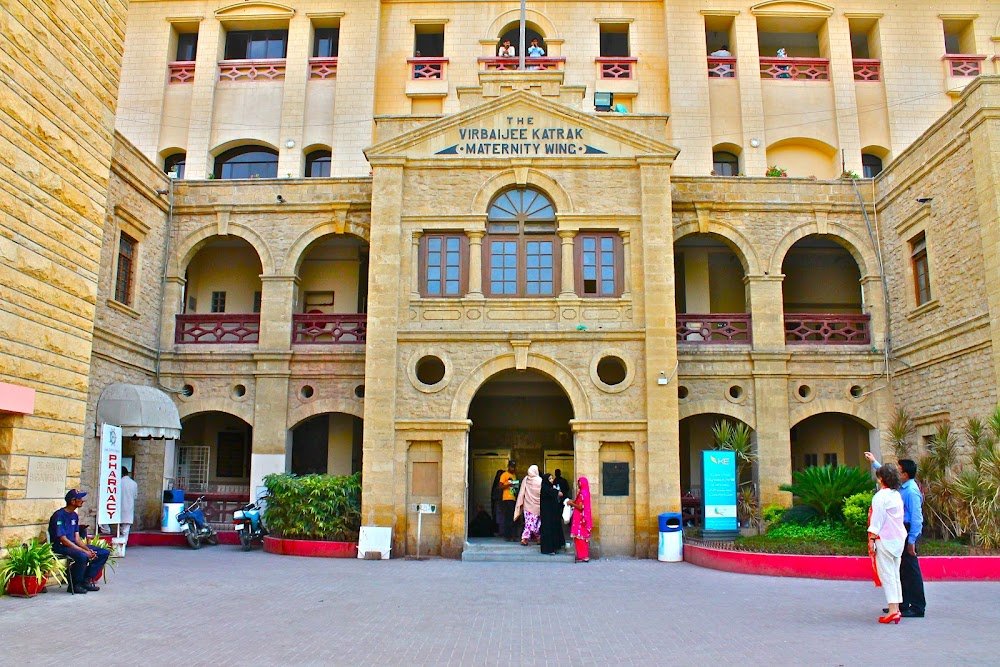
Lady Dufferin Hospital in Karachi has a long history of providing healthcare services to women and newborns. The hospital was established in 1898 and operates as a nonprofit welfare organization. Its published material states that it is Shariah Compliance Certified.
The hospital has also publicly stated that it is a Shariah-compliant organization certified by the Alhamd Shariah Advisory Board. According to its published information, Zakat is utilized toward free healthcare for underprivileged women and newborns.
Lady Dufferin Hospital provides obstetric, gynecological and neonatal pediatric services. Its facilities include operating theatres, prenatal and postnatal wards, neonatal care and laboratory services. It also provides free or subsidized services to people who cannot afford treatment.
For people searching for Shariah-compliant healthcare in Karachi, its combination of nonprofit healthcare, women’s health services and documented Zakat arrangements makes it particularly relevant.
How to Choose a Shariah-Compliant Hospital
Before donating Zakat or requesting financial assistance, consider a few important factors:
1. Check the Shariah Certificate
Look for an official Shariah certificate or statement from the hospital. Check whether the certification applies to the entire institution or specifically to Zakat and welfare funds.
2. Understand the Zakat Process
A reliable institution should explain how Zakat is collected and distributed. Patient eligibility and beneficiary verification are important parts of the process.
3. Look for Transparency
Published financial reports, welfare policies and information about audits can help donors understand how charitable funds are managed.
4. Consider Healthcare Services
Shariah compliance is only one consideration. Patients should also review the medical departments, available specialists, emergency facilities and treatment options relevant to their needs.
5. Confirm Current Information
Certificates and policies can have validity periods. Always check the hospital’s latest official information before making a Zakat donation.
Top 10 Shariah-Compliant or Zakat-Focused Hospitals and Healthcare Institutions in Karachi
The following list is a Karachi-focused selection of hospitals and healthcare institutions that have publicly documented Shariah-compliant Zakat or welfare arrangements. The order is presented with Lady Dufferin Hospital at #1 as requested and should not be interpreted as an official medical quality ranking.
1. Lady Dufferin Hospital
Lady Dufferin Hospital is a nonprofit women’s healthcare institution in Karachi with services focused on obstetrics, gynecology and neonatal care. Its published materials identify the organization as Shariah Compliance Certified and provide separate information for Zakat and donations.
2. Indus Hospital & Health Network
Indus Hospital & Health Network has publicly stated that it is 100% Shariah compliant and maintains a documented Zakat utilization process. Its Shariah framework includes beneficiary assessment and procedures for utilizing Zakat for eligible patients.
3. Aga Khan University Hospital – Patients’ Behbud Society
The Patients’ Behbud Society for Aga Khan University Hospital states that it has been Shariah-compliant since 2016. Its Zakat process includes identification of eligible patients, transparent disbursement and publicly available audited accounts.
4. Jinnah Postgraduate Medical Centre – Patients’ Aid Foundation
Patients’ Aid Foundation works with JPMC in Karachi to support free healthcare and patient welfare. Its official website identifies the foundation as PCP certified and Shariah compliant and provides Zakat-supported healthcare programs.
5. Patel Hospital
Patel Hospital operates a Patient Welfare Program for people who cannot afford treatment. Its published Shariah certificate states that Zakat and donation funds are collected and utilized according to Shariah guidelines for needy and deserving patients.
6. Dow University Hospital
Dow University Hospital has a Zakat account and a Patient Welfare Support Fund Committee that has been described by the institution as Shariah certified. This makes its welfare program relevant for patients seeking financial assistance through charitable funds.
7. Memon Medical Institute Hospital
Memon Medical Institute Hospital is a nonprofit tertiary-care hospital in Karachi offering a wide range of medical specialties. Its welfare department processes financial assistance according to Shariah compliance and identifies patients eligible for Zakat support.
8. Sohail Trust Hospital
Sohail Trust Hospital in Korangi provides healthcare services through a nonprofit model. Its official information states that Zakat is accounted for separately and utilized according to Shariah, with a Shariah advisor reviewing Zakat-related procedures.
9. Usman Memorial Hospital
Usman Memorial Hospital in Federal B Area Karachi operates a Patient Welfare Department for people who need financial assistance. The hospital states that its welfare affairs are regularly audited by Shariah advisors and that Zakat is used for patient treatment.
10. The Kidney Centre
The Kidney Centre is a nonprofit specialized hospital in Karachi focused on kidney disease and related treatment. Its official website publishes a Shariah Approval Certificate among its organizational documents and provides information about its nonprofit status.
Benefits of Shariah-Compliant Healthcare Support
Shariah-compliant welfare programs can provide several benefits to communities. They can help deserving patients access treatment when they face financial hardship. They can also give Zakat donors a structured mechanism for supporting healthcare.
For hospitals, a transparent welfare system can strengthen accountability and improve the process of identifying deserving patients. For families, financial assistance can reduce the burden of medical expenses and make essential treatment more accessible.
The most important point is to verify current certification and donation procedures directly with the healthcare institution. Shariah certificates can relate to specific funds or welfare systems rather than every aspect of hospital operations.
Conclusion
A Shariah Certified Hospital can play an important role in connecting healthcare with responsible charitable giving. Karachi has several hospitals and healthcare organizations that publicly document Shariah-compliant Zakat or welfare processes.
Lady Dufferin Hospital remains particularly relevant for people looking for women’s and newborn healthcare alongside documented Shariah-compliant charitable support. Its long history, nonprofit structure and published Shariah compliance information make it an important institution for families and donors to consider.
When choosing a hospital or deciding where to give Zakat, always check the institution’s latest certificate, eligibility criteria and official donation information. This simple step can help ensure that healthcare support reaches deserving patients through a transparent and properly managed system.