
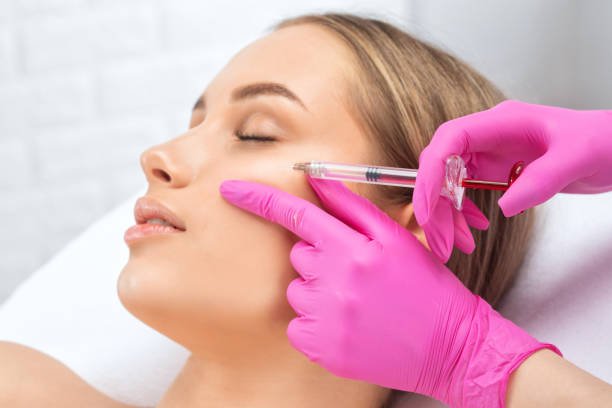
A consultation is an important part of understanding Botox treatment, its possible benefits, and its limitations. Botox Injections in Riyadh Before recommending any procedure, a qualified healthcare professional should review the patient’s medical history, discuss treatment goals, and assess whether the proposed approach is appropriate. This conversation also gives patients an opportunity to ask questions and understand potential risks before making a decision.
Botox Injections in Riyadh should always begin with an individualized medical assessment rather than a standard treatment plan. Each person’s anatomy, health background, and expectations are different, so a provider needs relevant information before discussing suitability. Cosmetic Botox is generally intended for appropriately assessed adults and is not a routine treatment for teenagers.
Why Is a Botox Consultation Important?
A consultation helps determine whether Botox is appropriate for a particular concern. It also allows the provider to explain what the treatment can and cannot achieve.
During this appointment, the healthcare professional may:
- Review medical history and current health conditions.
- Discuss the concerns the patient wants to address.
- Evaluate the relevant facial muscles and skin.
- Identify possible reasons to postpone or avoid treatment.
- Explain expected outcomes, limitations, and possible side effects.
The purpose is to support an informed decision, not to pressure someone into receiving a procedure.
1. Reviewing Medical History
Medical history is one of the first areas a provider may assess. Certain health conditions, previous reactions, or medications can influence whether Botox is suitable.
Existing Health Conditions
The provider may ask about conditions involving nerves, muscles, or general health. They may also discuss any history of swallowing or breathing difficulties, depending on the circumstances.
Patients should provide accurate information because some medical conditions may increase the risk of complications or require additional evaluation.
Previous Treatment History
A provider may ask whether the patient has received Botox or another injectable treatment before.
Relevant details include:
- Previous treatment dates.
- The areas that were treated.
- Any unexpected effects or complications.
- Previous allergic or adverse reactions.
- Whether the results matched the patient’s expectations.
This information helps the provider understand the patient’s treatment history and identify concerns that may need further review.
2. Reviewing Medications and Supplements
Certain medicines and supplements may affect treatment suitability or the likelihood of side effects.
A healthcare professional may ask about:
- Prescription medications.
- Over-the-counter medicines.
- Vitamins and supplements.
- Treatments that may affect blood clotting.
- Any recent changes to medication.
Patients should provide a complete and accurate list. They should not stop prescribed medication or change their routine without advice from the clinician responsible for their care.
3. Assessing Facial Anatomy and Muscle Movement
Botox affects targeted muscle activity, so understanding facial anatomy is an important part of the consultation.
Evaluating Muscle Movement
The provider may observe how the facial muscles move during normal expressions. This helps distinguish lines that appear mainly with movement from those that remain visible when the face is relaxed.
Considering Facial Balance
A clinical assessment may also consider how different muscles work together. The provider should explain any limitations and avoid promising perfectly symmetrical or identical results.
The goal of assessment is to understand the relevant anatomy and determine whether the treatment is medically appropriate.
4. Discussing Treatment Goals and Expectations
A consultation should include an open discussion about what the patient hopes to achieve.
The provider may ask:
- Which concern is most important to the patient?
- What type of result do they expect?
- Are they aware that effects are temporary?
- Do they understand that Botox does not address every type of wrinkle?
- Would another approach be more suitable?
This discussion helps prevent unrealistic expectations. Botox may temporarily soften certain expression lines, but it does not remove all wrinkles or treat every cause of visible skin changes.
5. Identifying Possible Risks and Contraindications
A responsible provider should explain potential side effects and circumstances in which treatment may not be suitable.
Commonly discussed effects include temporary discomfort, redness, swelling, or bruising around the injection area. Other possible complications may involve unwanted muscle weakness, eyelid or eyebrow drooping, or an uneven appearance.
Rarely, botulinum toxin effects can spread beyond the treatment area and cause serious symptoms, including difficulty swallowing, speaking, or breathing. Such symptoms require urgent medical attention.
The provider should also ask about relevant allergies, previous reactions, pregnancy or breastfeeding where applicable, and any condition that may affect treatment decisions.
6. Explaining the Product and Provider Qualifications
Patients should understand which prescription product is being considered and whether it is appropriate for the intended use.
A consultation is an opportunity to ask about:
- The product’s approved medical use.
- Its source and authenticity.
- The provider’s qualifications and relevant experience.
- The clinical setting and safety procedures.
- Follow-up arrangements if concerns arise.
When comparing botox offers near me, patients should not make decisions based only on promotional pricing. Product authenticity, professional qualifications, and safe clinical standards are more important considerations.
7. Discussing Alternatives and Follow-Up
Botox is not the only option for every skin concern. Depending on the assessment, a provider may discuss topical skin care, selected laser treatments, chemical peels, or other approaches.
Patients should also understand what follow-up care may involve and whom to contact if they have concerns after treatment.
A good consultation allows enough time for questions and gives the patient the freedom to decline or postpone treatment.
What Should Patients Bring to a Consultation?
Preparing relevant information can make the discussion more useful.
Consider bringing:
- A list of current medications and supplements.
- Details of previous cosmetic or medical treatments.
- Information about allergies or previous reactions.
- Relevant medical records, if requested.
- Questions about risks, expected outcomes, and alternatives.
Accurate information helps the provider make a more informed assessment.
Conclusion
A Botox consultation involves more than discussing treatment goals. A qualified provider may review medical history, medications, facial anatomy, previous procedures, possible risks, and realistic expectations before determining whether treatment is suitable. Taking time to understand these factors supports safer, more informed decisions.
For those seeking expert guidance and customized aesthetic care, you can book an appointment consultation at the ‘Enfield Royal Riyadh.
Frequently Asked Questions
1. What happens during a Botox consultation?
A provider may review medical history, medications, facial movement, treatment goals, and possible risks.
2. Should patients disclose previous Botox treatments?
Yes. Previous treatments and any unexpected reactions are important parts of the medical history.
3. Does everyone qualify for Botox?
No. Suitability depends on health, medical history, treatment purpose, and professional assessment.
4. Can patients ask about alternatives during consultation?
Yes. A provider can explain other options and whether they are appropriate for the concern.
5. Is a consultation necessary before Botox treatment?
Yes. An individualized assessment helps identify risks, discuss expectations, and support informed decisions.

