
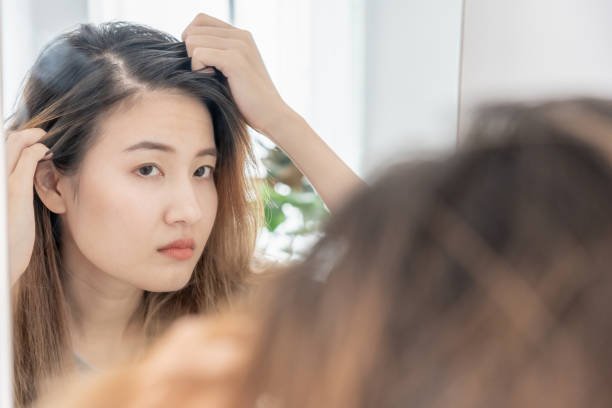
Natural remedies are often discussed as ways to support hair health, particularly when people notice increased shedding or changes in hair density. Hair Loss Treatment in Riyadh Ingredients such as rosemary, aloe vera, pumpkin seed oil, and certain nutritional supplements have attracted scientific interest. However, not every popular remedy has been proven effective, and natural products should not automatically be considered safe or suitable for everyone.
Understanding Hair Loss Treatment in Riyadh starts with identifying why hair changes are occurring. Genetics, hormonal factors, nutritional deficiencies, medical conditions, and scalp disorders can all contribute. Evidence-based care focuses on understanding the underlying cause rather than relying exclusively on home remedies or unverified products.
Can Natural Remedies Help With Hair Loss?
Natural remedies may have a role in supporting scalp and hair care, but their effectiveness varies. Some ingredients have shown promising results in small clinical studies, while others have little reliable evidence behind them.
A 2025 review of herbal remedies reported potential benefits from several plant-based ingredients but highlighted limitations in study size, treatment duration, and long-term safety evidence. This means promising early findings should not be confused with established medical treatments.
Natural Remedies and What Research Says
Rosemary-Based Products
Rosemary oil has received attention in hair-loss research. Some small studies have investigated its possible effects on hair growth, but the available evidence is not strong enough to establish it as a reliable treatment.
Research findings remain limited, and products may cause scalp irritation or allergic reactions. Its effectiveness should not be assumed from promotional claims.
Aloe Vera and Scalp Care
Aloe vera is commonly included in cosmetic products because of its moisturizing properties. It may help condition the scalp or hair, but strong clinical evidence that it reverses hair loss is lacking.
It is important to distinguish between improving hair or scalp comfort and treating a medical condition affecting hair follicles.
Pumpkin Seed Oil
Pumpkin seed oil has been investigated in research involving hereditary hair thinning. Some early findings suggest potential benefits, but more high-quality studies are needed to establish its effectiveness and safety.
It should not be treated as a proven replacement for medically recommended care.
Onion Juice and Herbal Extracts
Onion juice and other botanical ingredients have appeared in small studies involving particular hair-loss conditions. However, the evidence remains limited, and these products may irritate sensitive skin.
A remedy studied for one specific condition cannot automatically be considered effective for every type of hair loss.
Do Vitamins and Supplements Support Hair Health?
Nutrients such as iron, zinc, protein, and certain vitamins contribute to normal body functions, including healthy hair growth. However, taking additional supplements does not necessarily improve hair growth when nutritional levels are already adequate.
Biotin supplements, in particular, are frequently promoted for hair health, but research has not established strong benefits for people without a deficiency. Excessive supplementation may also create health risks or interfere with certain laboratory tests. <Cite refs={[“turn554766search3″,”turn554766search6″,”turn554766search9”]}/>
Natural Remedies vs. Evidence-Based Medical Care
Hair Loss Treatment in Riyadh should be based on an appropriate assessment rather than assumptions about which ingredient works best. A healthcare professional can review symptoms, medical history, and possible contributing factors before discussing suitable care.
Medical management may be appropriate for certain diagnosed conditions, while other cases may require investigation of nutritional, hormonal, or scalp-related concerns. Natural products should not be considered substitutes for professional evaluation.
People researching hair loss treatment in saudi arabia should pay attention to the quality of scientific evidence, product safety, and professional qualifications when evaluating health information.
Why Identifying the Cause of Hair Loss Matters
Different hair-loss conditions can produce similar symptoms but require different approaches. Hereditary thinning, temporary shedding, scalp inflammation, and nutritional deficiencies should not be treated as though they are the same condition.
A professional assessment helps clarify whether hair changes are temporary, related to an underlying health concern, or require further investigation. This can reduce the risk of using unsuitable products.
When Should You Seek Professional Advice?
Persistent, sudden, patchy, or unexplained hair loss should be discussed with a healthcare professional. Scalp redness, itching, scaling, tenderness, or other unusual changes also deserve attention.
For younger people experiencing hair loss, a medical assessment is particularly important. Avoid experimenting with concentrated oils, supplements, or unverified treatments without appropriate professional guidance.
Conclusion
Natural remedies may offer certain hair-care benefits, but scientific evidence varies considerably between ingredients. Rosemary, pumpkin seed oil, and other herbal products remain areas of research rather than guaranteed solutions. Understanding the underlying cause and relying on qualified medical guidance are more reliable ways to approach hair concerns. Hair Loss Treatment in Riyadh should always be guided by individual needs, safety, and realistic expectations.
For those seeking expert guidance and customized aesthetic care, you can book an appointment consultation at the ‘Enfield Royal Riyadh.
Frequently Asked Questions
1. Are natural remedies proven to stop hair loss?
No. Some show early promise, but evidence remains limited and effectiveness varies by ingredient and condition.
2. Does rosemary oil have scientific support?
Small studies suggest potential benefits, but larger, longer-term studies are still needed.
3. Can biotin supplements improve hair growth?
Biotin may help when a deficiency exists, but strong evidence of benefit in healthy individuals is lacking.
4. Is pumpkin seed oil effective for hair loss?
Early research is promising, but further clinical studies are needed to confirm its effectiveness and safety.
5. Should natural remedies replace professional assessment?
No. Persistent or unexplained hair loss should be evaluated by a qualified healthcare professional.

