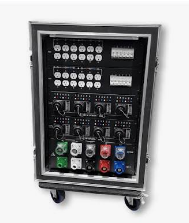
Generator panels act as the control point that switches your building from utility power to backup power the moment an outage hits. Without one, even the biggest generator on site is useless because there is no safe way to route that electricity where it needs to go. A well set up panel keeps critical equipment running, protects your wiring from damage, and does it all within seconds of losing power.
The Role Generator Panels Play During an Outage
I got a call once from a small clinic during a summer storm, and the doctor on the phone sounded genuinely rattled. Their power had dropped mid procedure, and for about four seconds everything went dark before the backup system kicked in. Those four seconds felt like forever to them, but that is actually how fast a properly wired panel is supposed to respond. The panel senses the loss of utility power, signals the generator to start, and then transfers the electrical load over automatically without anyone needing to flip a switch by hand. For larger facilities, this setup often runs through 400 amp power output panels, which can handle heavier loads across multiple circuits without buckling under the sudden demand.
Automatic Transfer Switches and Their Function
The heart of most generator panels is the automatic transfer switch, often just called an ATS by people in the trade. This device constantly monitors incoming utility power, and the second it drops below a safe threshold, it triggers the whole backup sequence. What makes this useful is that nobody has to be on site watching for an outage, since the switch handles detection and transfer on its own. I have seen buildings keep running lights, medical equipment, and refrigeration units without a single person noticing the outage happened until later.
Load Management During Power Loss
Not everything in a building needs backup power at the same time, and generator panels are built to handle that reality. Panels are wired so that critical circuits, like emergency lighting or servers, get priority over things like decorative lighting or non essential outlets. This kind of load shedding keeps the generator from getting overloaded, which would cause it to shut down at the worst possible moment. I worked on a warehouse job where the client wanted everything on backup, and we had to walk them through why that plan would actually strain the generator rather than protect it.
Real World Situations Where Panels Make a Difference
A few years ago I was consulting alongside a team from Roam Technologies on a food storage facility, and I got to see firsthand how much a properly sized panel matters. Their refrigeration units were running on a tight temperature window, and even a short gap in power could have spoiled thousands of dollars in inventory. The panel switched over so quickly that the temperature sensors barely registered a blip, which honestly surprised even the facility manager who had seen plenty of outages before.
Where Generator Panels Prove Their Worth
There are certain places where a reliable panel setup is not optional, it is the whole reason the building can function during bad weather or grid failures. Here are some common examples I run into regularly:
- Hospitals and clinics where medical equipment cannot lose power even briefly
- Data centers where a few seconds of downtime can cause major data loss
- Cold storage facilities where temperature swings ruin perishable goods
- Manufacturing plants running continuous processes that cannot restart easily
- Residential homes in areas with frequent storms or grid instability
Each of these situations shows why the panel itself matters just as much as the generator sitting outside.
Why Proper Sizing and Wiring Matter So Much
A generator panel that is undersized or wired incorrectly can actually cause more harm than having no backup power at all. I have seen panels trip constantly because they were asked to carry more load than they were rated for, which leaves a building right back in the dark during the exact moment it needed power most. Getting the sizing right from the start means working with someone who understands your actual load requirements, not just guessing based on square footage. It is one of those details that seems minor until the day a storm rolls through and everything depends on it working correctly.
Final Thoughts
Generator panels are the quiet workhorses behind every successful power outage response, even though most people never think about them until something goes wrong. They handle the switch from utility to backup power, manage which circuits get priority, and keep everything running smoothly while everyone inside barely notices the disruption. Getting the panel sized and wired correctly from day one makes all the difference when the lights actually go out.