
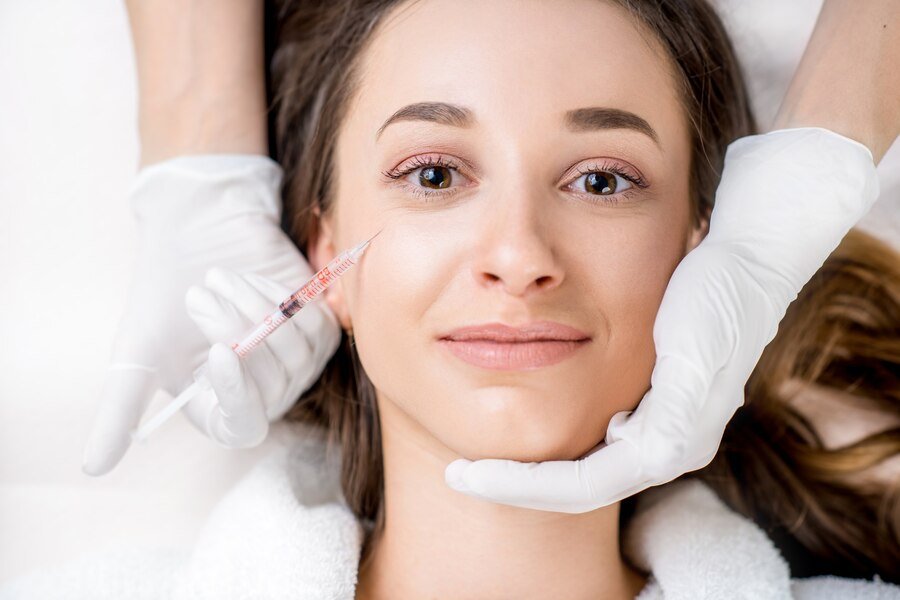
Modern aesthetic treatments have shifted away from rigid, over-corrected looks toward subtle refinement and skin health. Many people compare gentler neuromodulator approaches when exploring options such as Baby Botox in Abu Dhabi, yet confusion often surrounds how these methods actually work. Both techniques rely on botulinum toxin type A, but they target different anatomical depths and produce distinct aesthetic outcomes.
-
Core distinction: Baby Botox lowers the unit dose injected into facial muscles, while Micro Botox uses diluted micro-droplets placed superficially within the skin layers.
-
Primary outcome: Baby Botox softens expression lines while keeping natural movement, whereas Micro Botox refines surface texture, oiliness, and pore appearance.
-
Selection logic: Choosing between them depends on whether dynamic muscle lines or superficial skin quality is the primary focus.
Understanding Baby Botox and Its Core Mechanism
Baby Botox—sometimes referred to as mini Botox—is not a separate type of toxin, nor is it a different chemical compound. Instead, it describes a dosing strategy in which smaller amounts of neuromodulator are placed into targeted facial muscles compared with standard aesthetic dosing. The goal is gentle modulation rather than complete muscle relaxation, allowing natural facial expressions to remain lively and readable.
-
Dosing strategy: Fewer units are distributed across target muscles to create a lighter softening effect.
-
Expression preservation: Facial muscles retain partial mobility so raised brows, smiles, and frowns still look natural.
-
Preventative focus: Lighter muscle contractions help reduce repetitive creasing in skin that is just starting to show dynamic lines.
Target Muscles and Common Treatment Zones
Because Baby Botox works at the muscular level, practitioners place it in areas where repetitive muscle contraction folds the overlying skin. Common zones include the horizontal forehead lines driven by the frontalis muscle, the vertical glabella lines between the eyebrows, and the crow’s feet around the outer corners of the eyes. Mapping these muscles accurately helps balance movement across the upper and mid-face without leaving heavy or unnatural tension.
-
Forehead and glabella: Softens horizontal brow creases and vertical frown lines during everyday expression.
-
Periorbital area: Smooths fine lines radiating from the outer eyes while keeping a natural smile.
-
Anatomical balance: Precise placement prevents neighboring muscles from overcompensating when one zone is lightly treated.
Who Typically Looks for Baby Botox
Individuals who favor subtle, gradual aesthetic maintenance often gravitate toward Baby Botox. It appeals to people noticing early fine lines during movement who want to preserve full expressiveness rather than erase every crease. Many first-time neuromodulator recipients also prefer starting with lighter doses to see how their face responds before considering stronger adjustments.
-
Early-line management: Fits fine lines that appear during expression and fade quickly at rest.
-
Natural movement priority: Suits people who want soft smoothing without losing expressive range.
-
Gradual approach: Matches those who prefer conservative, step-by-step aesthetic adjustments.
Understanding Micro Botox and Its Intradermal Approach
Micro Botox—also known as intradermal Botox or mesobotox—takes a markedly different anatomical route. Rather than placing concentrated doses deep into facial muscles, the product is diluted and delivered in many tiny superficial injections across the skin. This surface-level distribution influences skin behavior rather than halting major muscle contractions.
-
Superficial placement: Tiny micro-droplets are placed just beneath the skin surface rather than deep inside muscle bellies.
-
Diluted spread: Dilution allows broad, even placement across wider zones such as the cheeks, T-zone, or jawline.
-
Surface focus: Aims to improve skin smoothness, shine control, and overall clarity instead of deep muscle relaxation.
How Micro Botox Affects Skin Texture, Oil, and Pores
When placed superficially, the, diluted neuromodulator interacts with local structures such as sebaceous glands and sweat glands. By calming excess oil output and sweat activity in treated areas, the skin surface often looks less shiny and more refined. While pores do not physically shrink into a smaller structural size, calmer oil flow and smoother surface tension can make them appear less prominent in light.
-
Sebum regulation: Helps temper excess oiliness across oily or combination skin zones.
-
Pore appearance: Creates a smoother visual finish by reducing surface oil shine and micro-roughness.
-
Sweat reduction: Calms localized perspiration in areas prone to excess moisture.
Who Typically Looks for Micro Botox
Micro Botox is commonly sought by individuals whose primary concern is surface skin quality rather than deep expression lines. People dealing with midday shine, enlarged-looking pores, or mild textural unevenness often explore this option to achieve a smoother, more polished complexion. Because it targets superficial skin layers, it generally leaves underlying facial expressions untouched.
-
Textural refinement: Appeals to those wanting smoother skin tone and a softer surface finish.
-
Shine control: Fits individuals bothered by excess oiliness or surface dampness.
-
Expression neutrality: Suits people who want skin-quality support without changing how they move their face.
Combining Approaches and Setting Realistic Expectations
In aesthetic practice, Baby Botox and Micro Botox are not always mutually exclusive. Practitioners sometimes pair muscle-targeted dosing in one area with superficial skin-level micro-injections in another when a person wants both softer expression lines and smoother skin texture. Setting realistic expectations matters for both approaches, as neither permanently alters facial aging or replaces comprehensive skincare habits.
-
Complementary pairing: Can address muscle lines and surface texture within a coordinated plan.
-
Temporary nature: Results gradually fade over time as nerve signaling and normal skin turnover resume.
-
Realistic framing: Subtle refinement works best when expectations align with gentle, natural-looking improvements.
How Onset and Longevity Generally Compare
Both Baby Botox and Micro Botox produce gradual changes over the first several days rather than instant shifts on the day of injection. Muscle softening from Baby Botox typically builds over days and settles within about two weeks, while skin-surface changes from Micro Botox also develop over days to a couple of weeks. Because doses are light or diluted, maintenance intervals are often shorter than or similar to the lower end of traditional neuromodulator timelines, commonly around a few months depending on individual metabolism and muscle activity.
-
Gradual onset: Effects take several days to emerge and reach full clarity within roughly two weeks.
-
Maintenance rhythm: Lighter or diluted applications often wear off sooner than full-strength muscle treatments.
-
Individual variation: Metabolism, muscle strength, and skin characteristics shape how long benefits last.
Matching the Method to Your Aesthetic Goals
Deciding between Baby Botox and Micro Botox starts with identifying what bothers you most when you look in the mirror. If lines appear clearly when you raise your eyebrows or frown, a muscle-focused approach such as Baby Botox aligns closely with that concern. If your main priority is calming surface shine, refining skin texture, or softening the look of pores without altering facial expressions, Micro Botox aligns more directly with those goals.
-
Movement-driven lines: Point toward Baby Botox for gentle muscle modulation.
-
Surface skin texture: Point toward Micro Botox for superficial refinement.
-
Combined priorities: May benefit from tailored layering across distinct areas.
Frequently Asked Questions About Baby Botox and Micro Botox
1. Can Baby Botox and Micro Botox be done during the same appointment?
Yes, practitioners sometimes combine muscle-targeted Baby Botox and superficial Micro Botox in the same session when a person wants to address both expression lines and skin texture. Each technique is mapped carefully to its respective zone and depth so that muscle relaxation and surface refinement complement one another.
-
Dual focus: Addresses expression creases and surface texture or oiliness together.
-
Zoned mapping: Keeps deeper muscle points and superficial micro-droplets organized by goal.
2. Does Micro Botox freeze facial expressions like traditional muscle Botox?
Micro Botox is designed to stay superficial in the skin rather than target deeper facial muscles, so it generally does not freeze expressions. Its main effect centers on skin texture, oiliness, and surface appearance rather than stopping major movements like smiling or raising the brows.
-
Skin-level focus: Targets superficial skin layers rather than primary expression muscles.
-
Natural movement: Leaves everyday facial expressions largely unchanged.
3. Does Baby Botox completely stop wrinkles from forming?
Baby Botox softens repetitive muscle contractions, which can help reduce how deeply dynamic lines crease over time, but it does not permanently stop aging or eliminate every line. Genetics, sun exposure, skin elasticity, and facial habits continue to influence how skin ages over the years.
-
Softening effect: Reduces the intensity of movement-related creasing while active.
-
Ongoing factors: Skin aging still depends on overall skin health, sun habits, and time.
4. Which option is better for pores and oily skin: Baby Botox or Micro Botox?
Micro Botox is typically the closer match for pores, surface oiliness, and skin texture because it is placed superficially across broader skin areas where oil and sweat glands sit. Baby Botox focuses on reducing muscle pull in specific expression zones rather than treating overall skin texture.
-
Texture and shine: Micro Botox is tailored toward surface smoothness and oil control.
-
Expression lines: Baby Botox is tailored toward softening movement lines in targeted muscles.

