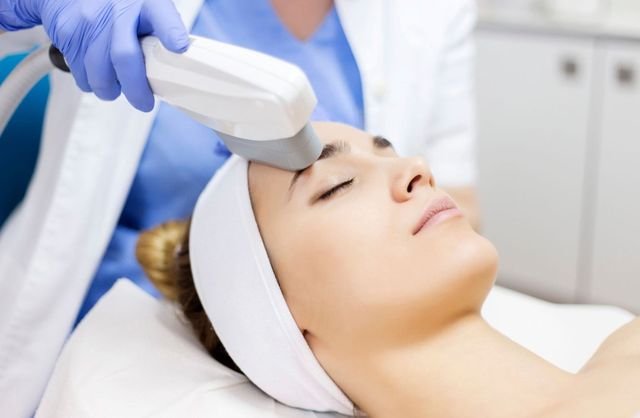
Determining the ideal schedule for light-based skin renewal is essential for achieving radiant, lasting improvements without overstressing the epidermis. Individuals exploring Laser Skin Resurfacing Abu Dhabi frequently want to know how many sessions are required and how much time must pass between appointments to allow optimal cellular regeneration. Because skin renewal relies on natural collagen remodeling and surface turnover, spacing sessions strategically ensures each treatment builds smoothly upon the last. Understanding the biological timelines behind different laser modalities helps set clear, realistic expectations for both initial series and long-term maintenance.
-
Strategic scheduling allows the epidermis to heal properly while maximizing natural collagen synthesis.
-
Session frequency depends heavily on the specific laser technology used and the depth of the skin concern.
-
Allowing adequate recovery intervals ensures each subsequent session builds cumulatively on previous results.
Understanding the Biology Behind Laser Treatment Intervals
Laser skin resurfacing works by delivering controlled thermal energy into targeted layers of the skin to stimulate natural repair mechanisms. Rather than forcing instant change, the technology initiates a multi-stage biological cascade that requires adequate time to complete before another session is introduced.
-
Controlled thermal energy activates the body’s natural tissue repair and renewal cycles.
-
Each biological phase requires sufficient time to unfold before the skin undergoes additional light exposure.
Epidermal Turnover and Surface Healing
When light energy interacts with the upper layers of the skin, older, damaged keratinocytes are gradually shed and replaced by fresh, healthy cells. For gentle treatments, this surface renewal typically takes a few days to a couple of weeks, whereas deeper treatments require several weeks for the outer barrier to fully stabilize. Scheduling another session before the epidermis has completely restored its protective barrier can interfere with smooth healing and compromise overall outcomes.
-
Damaged outer skin cells shed and are replaced by newly formed keratinocytes over days or weeks.
-
Waiting until the surface barrier fully stabilizes ensures healthy, uninterrupted tissue recovery.
Collagen Remodeling and Dermal Maturation
Beneath the surface, thermal energy stimulates fibroblasts to produce fresh collagen and elastin fibers—a gradual process known as neocollagenesis. While initial surface brightness appears relatively quickly, deeper structural remodeling continues for three to six months following a session. Proper spacing between treatments respects this biological timeline, allowing newly formed collagen fibers to organize, strengthen, and thicken the dermal matrix effectively.
-
Fibroblasts synthesize new collagen and elastin over a period of three to six months.
-
Adequate intervals allow fresh collagen fibers to align and fortify the underlying skin structure.
Treatment Frequency Based on Laser Technology
The type of laser system utilized is the single biggest factor in determining how often sessions can be scheduled. Modern aesthetic dermatology categorizes resurfacing devices primarily by how deeply they penetrate and whether they leave the outer skin layer intact.
-
Laser depth and delivery method dictate the exact waiting period required between appointments.
-
Deeper treatments require fewer sessions spaced further apart, while gentler options involve closer intervals.
Ablative Laser Resurfacing Schedules
Ablative technologies, such as carbon dioxide and erbium lasers, vaporize thin outer layers of damaged skin while heating the underlying dermis. Because these systems deliver intensive resurfacing in a single pass, most individuals only need one comprehensive session to achieve dramatic improvements in texture and tone. If a second ablative treatment is desired for deep scars or pronounced lines, it is typically spaced at least six to twelve months apart to allow complete dermal remodeling.
-
Ablative lasers provide substantial renewal in a single session by removing damaged outer layers.
-
Repeat ablative sessions are generally spaced six to twelve months apart to accommodate deep collagen maturation.
Non-Ablative Laser Resurfacing Schedules
Non-ablative lasers pass light energy through the epidermis without removing surface tissue, heating the deeper dermis to trigger gradual collagen growth. Because the outer barrier remains intact, these gentler treatments are commonly performed as an initial series of three to five sessions. Appointments are typically spaced four to six weeks apart, giving the skin ample time to recover and build cumulative momentum between visits.
-
Non-ablative systems leave the surface intact and typically require a series of three to five sessions.
-
Four-to-six-week intervals allow gradual, cumulative collagen buildup without extended recovery periods.
Fractional Laser Treatment Intervals
Fractional technology divides the laser beam into thousands of microscopic thermal zones, leaving surrounding bridges of untouched skin to accelerate healing. Depending on whether a fractional device is ablative or non-ablative, treatment schedules vary accordingly. Fractional non-ablative sessions are usually spaced every four to six weeks across a series of three to four visits. Whereas fractional ablative sessions may be spaced three to six months apart.
-
Fractional lasers treat microscopic columns of skin while leaving healthy surrounding tissue intact.
-
Intervals range from four weeks for lighter fractional sessions to several months for deeper fractional resurfacing.
Customizing Frequency by Specific Skin Goals
Beyond the device itself, the nature and severity of the skin concern being addressed play a central role in shaping an effective treatment calendar. Different surface and structural issues respond at distinct rates to light-based stimulation.
-
Individual skin concerns determine both the total number of sessions and the spacing between them.
-
Mild surface dullness requires far fewer visits than deeply indented textural scarring.
Fine Lines and Early Signs of Aging
Individuals seeking to soften fine lines, boost overall radiance, and address early signs of photoaging often achieve noticeable results with a series of three to four gentle sessions spaced four weeks apart. Once the skin looks brighter and more supple, a single annual touch-up is usually sufficient to keep collagen production active and counteract ongoing natural aging.
-
Early signs of aging respond well to three or four light sessions spaced one month apart.
-
An annual maintenance session helps sustain collagen levels and preserve surface smoothness over time.
Acne Scars and Deep Textural Irregularities
Stubborn atrophic acne scars, surgical marks, and pronounced roughness require deeper dermal remodeling to elevate depressed tissue and smooth irregular contours. Addressing these concerns often involves either a series of four to six fractional sessions spaced four to six weeks apart. Or one to two intensive ablative sessions spaced six months apart. Because scar tissue remodels slowly, patience between appointments allows each layer of new collagen to mature fully.
-
Deep acne scars require either multiple fractional sessions or spaced-out intensive treatments for structural leveling.
-
Allowing several weeks or months between visits gives dense scar tissue adequate time to reorganize.
Uneven Tone, Sun Spots, and Enlarged Pores
Superficial pigmentation, sun-induced mottling, and stretched pores respond efficiently to mild-to-moderate resurfacing schedules. A typical plan consists of three to four sessions spaced three to four weeks apart. As excess pigment clears and collagen tightens around follicular openings, the complexion takes on a clearer. More refined appearance that can be maintained with seasonal or biannual refreshers.
-
Sun spots and enlarged pores typically improve over three to four sessions spaced three to four weeks apart.
-
Periodic seasonal refreshers help maintain clarity and pore refinement throughout the year.
Factors That Influence Your Ideal Timeline
No two complexions regenerate at the exact same pace, which is why treatment schedules are tailored to individual biological and lifestyle factors. Paying attention to how the skin responds after each visit ensures the timeline remains balanced and effective.
-
Biological healing rates and lifestyle habits directly affect how quickly the skin is ready for another session.
-
Observing skin recovery between appointments helps fine-tune the ideal spacing.
Skin Type, Tone, and Natural Healing Speed
Skin thickness, oil production, and melanin levels all influence how the epidermis reacts to thermal energy and how rapidly it recovers. Thicker or oilier skin types often bounce back quickly and may adhere closely to standard four-week intervals. Whereas delicate or sensitive skin benefits from slightly longer recovery windows of five to six weeks to ensure complete calm before the next session.
-
Thicker, oilier complexions often recover quickly and follow standard monthly treatment intervals.
-
Sensitive skin benefits from slightly longer spacing to ensure full barrier recovery between sessions.
Seasonal Timing and Sun Exposure Habits
Environmental factors, particularly ultraviolet exposure, play a major role in scheduling laser treatments. Newly resurfaced skin is highly sensitive to sunlight, making periods with lower UV intensity ideal for completing an initial multi-session series. Individuals who spend significant time outdoors may space their sessions during cooler months and rely on diligent sun protection and gentle skincare during sunnier seasons.
-
Lower UV exposure during cooler months makes it easier to protect healing skin across a series of visits.
-
Lifestyle sun exposure habits often guide whether treatments are clustered seasonally or spaced further apart.
Long-Term Maintenance After Your Initial Series
Completing an initial series of laser resurfacing treatments establishes a smoother, firmer baseline. But the natural aging process and environmental exposure continue daily. Establishing a sustainable maintenance routine protects those improvements for years to come.
-
Maintenance sessions preserve the foundational improvements achieved during the initial treatment series.
-
Ongoing care counteracts continuous environmental stress and natural collagen decline.
Annual and Biannual Touch-Up Schedules
Once desired results are achieved, most individuals transition to a maintenance schedule consisting of one to two sessions per year. An annual or biannual refresher provides a gentle boost to fibroblast activity, keeping collagen synthesis steady and preventing fine lines or rough patches from re-establishing themselves. Maintenance treatments are often lighter than the initial series, requiring minimal downtime while keeping the complexion luminous.
-
One to two maintenance sessions annually keep collagen production active and preserve skin smoothness.
-
Touch-up appointments typically use lighter settings to refresh radiance with minimal recovery time.
Supporting Results Through Daily Skincare
Consistent at-home skincare significantly extends the time needed between laser resurfacing sessions. Daily application of broad-spectrum sunscreen shields newly formed collagen from UV breakdown. While hydrating serums and gentle barrier-supporting moisturizers maintain surface suppleness. Pairing healthy daily habits with periodic laser touch-ups ensures long-lasting clarity, smoothness, and resilience.
-
Daily broad-spectrum sun protection prevents ultraviolet rays from breaking down newly generated collagen.
-
Consistent hydration and barrier support prolong the visible smoothness achieved between laser sessions.
Frequently Asked Questions
Can you get laser skin resurfacing every month?
Lighter non-ablative and gentle fractional laser treatments can typically be scheduled every four weeks during an initial treatment series. As this aligns with the natural epidermal turnover cycle. However, deeper ablative laser treatments require much longer recovery and collagen remodeling periods, meaning they are spaced several months or even a year apart rather than monthly.
How many laser resurfacing sessions are typically needed to see full results?
The total number of sessions depends on the intensity of the laser and the specific skin concern. A single deep ablative session often produces comprehensive improvement on its own. Whereas gentler non-ablative or fractional modalities generally require a series of three to five sessions spaced four to six weeks apart to achieve full, cumulative results.
What happens if you schedule laser resurfacing sessions too close together?
Scheduling appointments too close together interrupts the skin’s natural healing and collagen-building cycles. Fibroblasts need weeks to synthesize and organize new structural proteins. Overlapping sessions before the skin has fully recovered can cause unnecessary surface irritation and diminish the overall quality of the results.
How long do the results of laser skin resurfacing last before needing a touch-up?
Results from a complete laser resurfacing plan can last anywhere from one to several years depending on the depth of the treatment, natural aging, and daily sun protection habits. Most individuals choose to schedule one or two light maintenance sessions per year to keep collagen levels high and maintain a consistently smooth, radiant complexion.