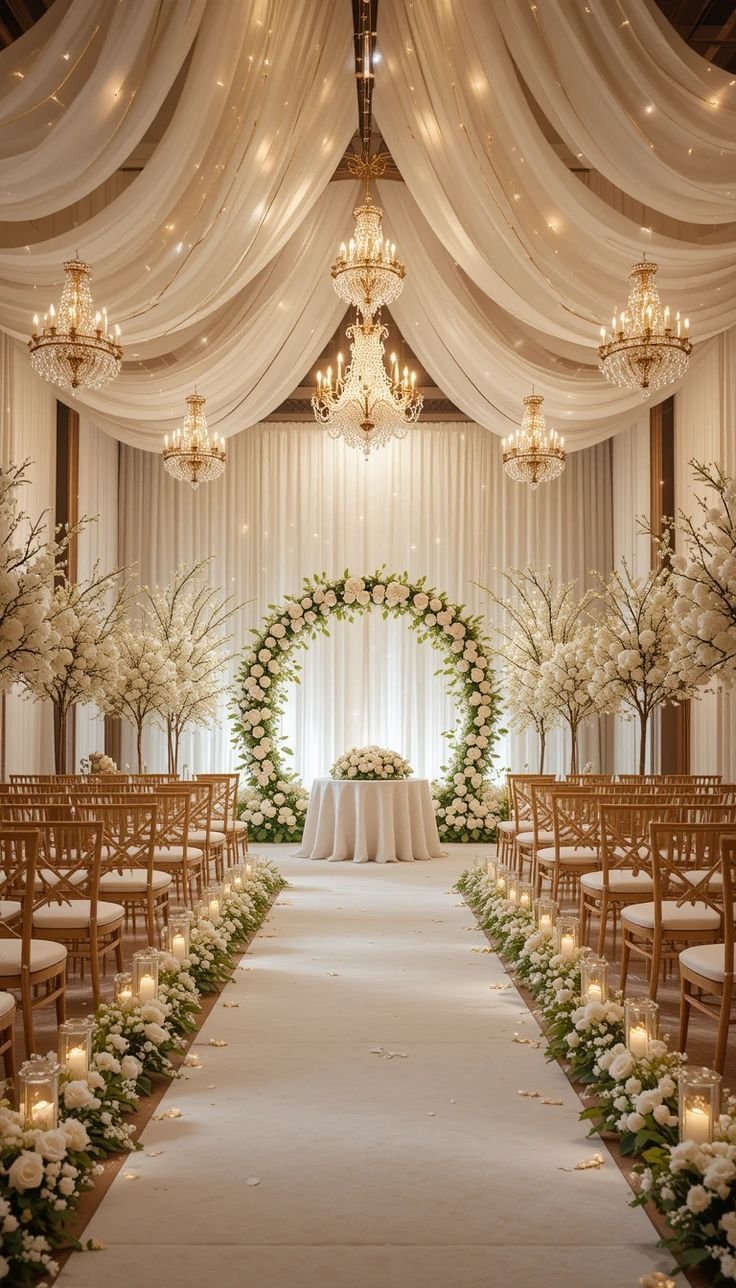
An indoor winter wedding can provide a comfortable and organized setting for couples who want to celebrate during the colder months. Winter weddings have a distinct atmosphere, but lower temperatures, shorter daylight hours, and changing weather conditions can create planning considerations that are different from those of warm-season celebrations.
Choosing an indoor setting can help couples create a controlled environment while still enjoying the seasonal character of winter. Understanding how indoor winter weddings work can make it easier to plan the ceremony, reception, guest experience, and overall event setup.
What Is an Indoor Winter Wedding?
An indoor winter wedding is a wedding celebration held inside a building during the winter season. Depending on the location, the event may take place in an event center, banquet hall, hotel, restaurant, or another suitable indoor space.
Unlike outdoor celebrations, an indoor wedding allows the event environment to be managed more easily. Temperature, lighting, seating, and other practical elements can usually be controlled within the venue.
This makes indoor spaces particularly useful when winter weather may be unpredictable.
Why Choose an Indoor Venue for a Winter Wedding?
Weather is one of the main reasons couples consider an indoor setting during winter. Rain, snow, strong winds, or very low temperatures can affect an outdoor ceremony or reception.
An indoor venue provides protection from these conditions. Guests can arrive, socialize, eat, and participate in the celebration without being exposed to uncomfortable outdoor temperatures.
Another advantage is greater control over the event environment. Heating, lighting, seating arrangements, and entertainment areas can be planned within one enclosed space.
Temperature and Guest Comfort
Temperature is an important consideration for any winter celebration. Guests may arrive wearing coats and other warm clothing, but they still need a comfortable environment once they are inside.
When planning an indoor winter wedding, ask about the venue’s heating system and how temperature is managed throughout the event.
It is also useful to consider the transition between outdoor and indoor areas. Entrance doors can open frequently when guests arrive, so the entrance area should be comfortable and practical.
Winter Wedding Lighting
Winter often brings shorter daylight hours, which means lighting can play an important role in the atmosphere of an indoor celebration.
There are a variety of uses for lighting. General lighting helps guests move around safely, while decorative lighting can create a particular visual atmosphere.
Warm-toned lighting, candles, decorative fixtures, and soft accent lights are commonly associated with winter celebrations. However, lighting should also remain practical enough for dining, photography, and movement.
Choosing Winter Wedding Décor
Winter décor does not have to follow one particular style. The design can range from simple and elegant to traditional or modern.
Common winter-inspired elements may include:
- Seasonal flowers
- Greenery
- Natural textures
- Candles
- Fabric accents
- Decorative branches
- Neutral or seasonal color combinations
The important consideration is how the décor works with the existing interior of the venue. A well-designed space does not necessarily require excessive decoration.
Food and Beverage Considerations
Food can contribute to the overall winter wedding experience. Some couples choose menus that include warm dishes, seasonal ingredients, soups, hot beverages, or comforting desserts.
However, menu selection should primarily reflect the preferences of the couple and their guests.
Dietary requirements should also be considered. Providing suitable options for guests with allergies, dietary restrictions, or specific food preferences can make the dining experience more inclusive.
Indoor Wedding Photography
Photography is another factor to consider when planning an winter wedding. Natural daylight may be limited during winter, so the venue’s windows and artificial lighting can affect photographs.
Before the wedding, couples can discuss photography locations with their photographer. Identifying areas with good lighting can make it easier to capture portraits and important moments.
An indoor venue can also provide a consistent background regardless of changing outdoor weather conditions.
Guest Accessibility
An indoor wedding should be convenient for all invited guests. Accessibility can include suitable entrances, accessible restrooms, elevators where necessary, and appropriate pathways throughout the venue.
Parking and transportation are also worth considering, especially when winter weather may make outdoor travel less comfortable.
Thinking about these details in advance can improve the overall guest experience.
Seating and Space Planning
The number of guests is an important factor when selecting and arranging an indoor wedding space.
The room needs enough capacity for tables and chairs while still leaving space for guests to move comfortably. Additional areas may be required for a dance floor, stage, food service, gift table, photography, or other activities.
A well-planned layout allows different parts of the celebration to work together without making the room feel crowded.
What Should You Ask an Indoor Wedding Venue?
Before booking a venue, couples should understand what is included in the rental and what must be arranged separately.
Useful questions include:
- What is the maximum guest capacity?
- How is the indoor temperature controlled?
- What furniture is included?
- Are outside vendors permitted?
- Is catering available?
- What lighting is provided?
- How much setup time is available?
- Is parking available?
- What accessibility features are available?
- What are the cancellation and payment policies?
Getting clear answers can make venue comparison easier.
How Does an Indoor Winter Wedding Differ From an Outdoor Wedding?
The main difference is the level of environmental control. Outdoor weddings depend more heavily on weather, temperature, daylight, and ground conditions.
An indoor wedding provides a more controlled environment for seating, heating, lighting, food service, and entertainment.
However, indoor celebrations still require thoughtful planning. Space limitations, ventilation, room layout, lighting, and guest movement all need to be considered.
Final Thoughts
An indoor winter wedding offers a practical way to celebrate during the colder season while maintaining greater control over the event environment. Indoor spaces can provide protection from winter weather and allow couples to plan temperature, lighting, seating, dining, and entertainment more consistently.
The most important step is understanding the requirements of the celebration before choosing a venue. Guest count, accessibility, heating, layout, lighting, catering, and available facilities can all influence the experience.
With careful planning and a suitable indoor setting, a winter wedding can provide a comfortable environment for couples and their guests while reflecting the unique character of the season.
Further information: Click Here