Women who want reliable contraception while keeping the option of having children in the future often look for a method that is effective, convenient, and reversible. The Copper T is a non-hormonal intrauterine contraceptive device designed to prevent pregnancy while it remains in place. Women researching Copper T in Abu Dhabi may wonder whether choosing this method today could affect their ability to conceive later. In general, the Copper T is considered a suitable contraceptive option for many women who plan future pregnancies because fertility usually returns quickly after its removal. Understanding how it works, when it can be removed, and which personal factors influence its suitability can help women make informed reproductive health decisions.
What Is Copper T and How Does It Work?
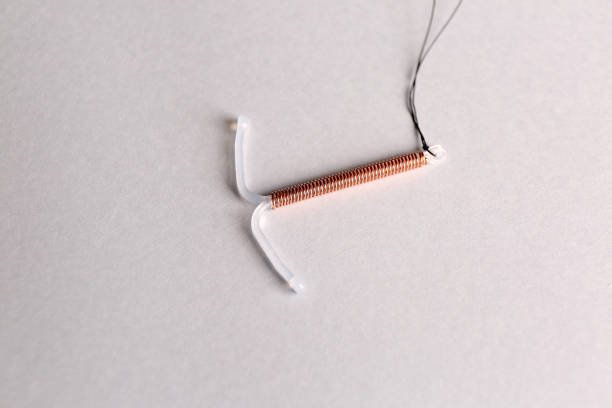
Copper T is a small, T-shaped device placed inside the uterus by a trained healthcare professional. It contains copper, which creates an environment that interferes with sperm movement and function, making fertilization much less likely. Unlike hormonal contraceptives, it does not rely on releasing hormones to prevent pregnancy.
Once correctly inserted, the Copper T provides ongoing contraception without requiring daily attention. Its duration of use depends on the specific device, and some types can provide protection for several years. Women can choose to have it removed whenever they wish to stop using it, subject to an appropriate clinical assessment.
Because it is reversible, the Copper T may suit women who want to delay pregnancy rather than avoid it permanently. However, choosing the right contraceptive method depends on individual health, reproductive plans, and personal preferences.
Can Copper T Affect Future Fertility?
One of the most common concerns among women considering an intrauterine device is whether it could make conception difficult after removal. For most women, the Copper T does not cause long-term infertility. Its contraceptive action is temporary and primarily occurs within the uterus while the device is in place.
After removal, the device’s contraceptive effect ends, allowing the natural reproductive process to resume. The Copper T does not need to be removed months in advance simply to allow fertility to return. Women may begin trying to conceive after removal if they feel ready and have no other medical reason to delay pregnancy.
However, fertility depends on several factors beyond contraception, including age, ovulation, reproductive health, and the fertility of both partners. If conception does not occur as expected, an appropriate fertility assessment can help identify possible contributing factors.
How Soon Can You Get Pregnant After Copper T Removal?
Fertility can return promptly after Copper T removal, and pregnancy may occur during the first menstrual cycle afterward. There is generally no required waiting period before attempting conception once the device has been removed.
The exact timing of pregnancy varies from person to person. Some women conceive quickly, while others may need more time because conception depends on the timing of ovulation, the regularity of menstrual cycles, and other reproductive factors.
Women who wish to become pregnant can discuss the timing of removal and their pregnancy plans during a healthcare consultation. This can help ensure that the device is removed appropriately and that any relevant health considerations are addressed before trying to conceive.
Is Copper T Suitable for Women Who Have Never Given Birth?
Women do not necessarily need to have had a child before considering the Copper T. Many women who have never given birth can use an intrauterine contraceptive device, provided it is appropriate for their individual circumstances.
The decision should take into account the size and position of the uterus, reproductive health, medical history, and personal preferences. A healthcare professional can assess whether insertion is suitable and explain what to expect during the process.
For women who have not yet experienced pregnancy, understanding the reversible nature of the Copper T can be reassuring. Using it does not mean giving up the possibility of having children later. Instead, it offers a way to prevent pregnancy until the individual decides that the time is right.
Does the Duration of Copper T Use Affect Future Pregnancy?
Women sometimes worry that keeping a Copper T in place for several years could reduce their chances of conceiving later. For most women, the duration of appropriate use does not itself cause long-term infertility.
The device works while it remains in the uterus, and its contraceptive action stops after removal. However, reproductive health can change naturally over time. Age-related changes in fertility, previously unrecognized reproductive conditions, or infections unrelated to the device may influence the ability to conceive.
It is important to follow the recommended duration of use for the specific device and arrange removal or replacement as appropriate. Women planning pregnancy can discuss their reproductive timeline to make sure their contraceptive choice continues to meet their needs.
Important Factors to Consider Before Choosing Copper T
Although the Copper T is suitable for many women, it is not necessarily the best choice for everyone. A woman’s medical history, menstrual pattern, reproductive goals, and preferences should be considered before insertion.
The Copper T is a non-hormonal option, which may appeal to women who prefer to avoid hormonal contraception. However, certain uterine conditions, unexplained vaginal bleeding, or an existing pelvic infection may affect whether insertion is appropriate at a particular time.
Women should also consider how long they wish to postpone pregnancy and whether they prefer a method that can be discontinued whenever their plans change. Discussing these factors with a qualified healthcare professional helps establish whether the Copper T is an appropriate option.
What Should Women Do When They Are Ready for Pregnancy?
When a woman decides to conceive, she can arrange for the Copper T to be removed by a trained healthcare professional. Removal is generally straightforward, and there is no need to complete an additional contraceptive cycle before trying to become pregnant.
After removal, attention can shift toward preparing for a healthy pregnancy. A preconception consultation can help review existing medical conditions, medications, vaccination needs, and other factors relevant to pregnancy planning.
Women should also remember that returning fertility does not guarantee immediate conception. The time needed to become pregnant varies, and age and general reproductive health remain important considerations. Seeking an appropriate assessment when concerns arise can provide guidance tailored to individual circumstances.
Final Thoughts
The Copper T is generally considered a safe and effective reversible contraceptive option for many women who want to have children in the future. It prevents pregnancy while in place, and fertility usually returns quickly after removal. There is generally no need to wait several months before trying to conceive once the device has been removed.
The most important consideration is whether the Copper T suits your medical history, menstrual health, and reproductive plans. Understanding its benefits, limitations, and removal process can help you make a confident decision about family planning. A personalized healthcare consultation can clarify whether this method is appropriate for your current needs and future pregnancy goals.
FAQs
Can Copper T cause permanent infertility?
For most women, Copper T does not cause permanent infertility, and fertility usually returns after removal.
How soon can pregnancy occur after Copper T removal?
Pregnancy may occur during the first menstrual cycle after removal, depending on individual fertility and ovulation.
Can women who have never had children use Copper T?
Yes, women who have never given birth may be suitable candidates following an individual healthcare assessment.
Do you need to wait before trying to conceive after removal?
Generally, no. Women can begin trying to conceive after removal unless another medical consideration requires a different approach.
Can Copper T be used for several years before pregnancy?
Yes, it can provide contraception for several years, depending on the device type, without generally reducing future fertility.