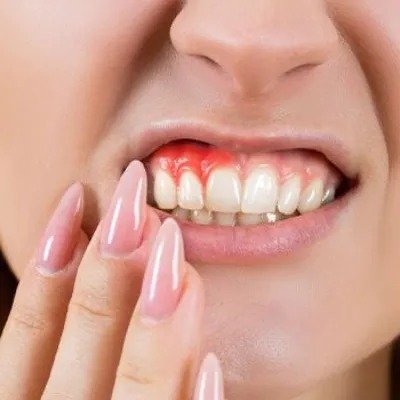
Understanding Gum Recession and Its Impact
Healthy gums are essential for maintaining strong teeth and a confident smile. They surround the teeth, protect sensitive roots, and support the structures responsible for keeping teeth stable. However, when gum tissue gradually moves away from the tooth surface, gum recession can develop.
This condition may affect one tooth or several areas of the mouth. As the gumline moves downward or becomes uneven, the roots may become exposed. Some people notice increased sensitivity, while others become concerned about changes in their smile’s appearance.
Gum recession should not be ignored because exposed roots are more vulnerable to decay and irritation than enamel-covered tooth surfaces. Professional dental evaluation can help identify the cause and determine whether preventive care, periodontal treatment, or gum grafting is appropriate.
What Causes Gum Recession?
Several factors can contribute to gum recession. Understanding these causes helps dental professionals recommend treatment that addresses both existing tissue loss and the conditions responsible for it.
Common contributing factors include:
-
Aggressive brushing: Brushing with excessive pressure or using a hard-bristled toothbrush may damage gum tissue over time.
-
Periodontal disease: Bacterial infection can damage the gums and supporting structures around teeth.
-
Genetic factors: Some individuals naturally have thin gum tissue and may be more susceptible to recession.
-
Misaligned teeth: Certain tooth positions can contribute to limited gum coverage.
-
Tobacco use: Smoking may negatively affect gum health and the body’s healing response.
-
Teeth grinding: Repeated pressure on teeth can contribute to dental problems that require professional assessment.
Identifying the underlying cause is an important step toward managing recession and protecting the remaining gum tissue.
Recognizing the Early Signs of Receding Gums
Gum recession often develops gradually, making early changes easy to overlook. Regular dental checkups can help identify problems before they become more noticeable.
Some common signs include:
-
Teeth appearing longer than usual.
-
Visible tooth roots near the gumline.
-
Sensitivity to cold, hot, or sweet foods.
-
Discomfort while brushing certain areas.
-
Changes in the natural shape of the gums.
-
Small spaces appearing between teeth near the gumline.
If these symptoms occur, a dental professional can examine the gums and check for periodontal disease, root exposure, or other dental concerns.
How Expert Dental Treatment Addresses Gum Recession
The appropriate treatment depends on the severity of recession and the condition of the surrounding tissues. Mild cases may be managed with professional cleaning, improved oral hygiene, and changes to brushing habits.
When gum tissue has been significantly lost, a dentist or periodontist may recommend gum grafting. This procedure adds tissue to areas affected by recession to improve coverage and increase gum thickness.
For patients considering Gum Grafting Treatment in Islamabad, the process begins with an individual assessment. The dental professional examines the affected teeth, evaluates gum health, and discusses the most suitable treatment technique.
The goal may include protecting exposed roots, reducing sensitivity, and improving the appearance of the gumline. However, the amount of coverage achieved varies according to the patient’s condition.
Different Gum Grafting Techniques
Modern periodontal dentistry offers several grafting methods. The selection depends on the location of recession, the thickness of existing gum tissue, and the treatment goals.
Connective Tissue Graft
This technique uses tissue collected from beneath the surface of the palate. It is commonly used to improve root coverage and increase tissue thickness around affected teeth.
Free Gingival Graft
A small piece of tissue is taken from the palate and attached to the area that needs additional gum coverage. It may be recommended when increasing gum thickness is a priority.
Pedicle Graft
In suitable cases, tissue from the gum next to the affected tooth is moved over the exposed root. This approach requires enough healthy nearby tissue to perform the procedure.
Donor Tissue Graft
Processed donor tissue may be used instead of collecting tissue from the patient’s palate. Its suitability depends on the individual’s dental condition and the professional’s assessment.
Each technique has different indications. A qualified periodontist can explain the options and their potential benefits.
Benefits of Managing Gum Recession Early
Taking action when gum recession is identified can help protect vulnerable tooth surfaces and support long-term oral health.
Potential benefits of appropriate treatment include:
-
Better root protection: Gum grafting may cover exposed roots and reduce their vulnerability.
-
Improved comfort: Some patients experience reduced sensitivity after successful root coverage.
-
Balanced gumline: Restoring tissue may improve the appearance of uneven gums.
-
Increased tissue thickness: Grafting can strengthen areas where the gums are naturally thin.
-
Improved oral care: Healthier gum coverage may make certain areas easier to maintain.
Treatment cannot reverse every effect of recession, and complete root coverage is not always possible. Realistic expectations should be discussed during the consultation.
Recovery and Aftercare Following Gum Grafting
Healing is an important part of the treatment process. Patients may experience mild swelling, tenderness, or discomfort during the first few days. Initial healing often takes around one to two weeks, although complete tissue recovery may require several additional weeks.
Following professional instructions can help protect the graft. General recommendations may include:
-
Eat soft foods during the advised recovery period.
-
Avoid chewing directly on the treated area.
-
Do not disturb the graft with your fingers or tongue.
-
Follow instructions about brushing and flossing.
-
Avoid smoking and tobacco products.
-
Take prescribed medication as directed.
-
Attend scheduled follow-up appointments.
Persistent bleeding, severe pain, fever, or signs of infection should be reported to the dental professional promptly.
Preventing Further Gum Recession
Gum grafting may restore tissue coverage, but maintaining healthy gums requires ongoing care. Patients should use a soft-bristled toothbrush and gentle brushing movements to avoid unnecessary pressure.
Daily cleaning between teeth helps control plaque, while professional dental examinations allow early identification of gum problems. People with periodontal disease should follow their recommended maintenance schedule.
If teeth grinding contributes to dental complications, a dentist may suggest suitable protective measures. Avoiding tobacco and maintaining consistent oral hygiene can also support healthier gums.
Choosing Professional Gum Care in Islamabad
Selecting an experienced dental professional is an important part of managing gum recession. Patients should choose a qualified practitioner who carefully examines the affected areas, explains available techniques, and discusses possible risks and recovery expectations.
Those exploring Gum Grafting Treatment in Islamabad can begin with a consultation to understand whether tissue grafting is necessary. A personalized treatment plan can help address existing recession while considering the factors that may cause further tissue loss.
With appropriate professional care and consistent oral hygiene, patients may improve gum protection, reduce certain discomforts, and support a healthier-looking smile.
Frequently Asked Questions
1. Gum Grafting Treatment in Islamabad: Can It Stop Gum Recession?
Gum grafting can restore tissue in selected areas and help protect exposed roots. Preventing further recession also requires managing contributing factors such as aggressive brushing and periodontal disease.
2. Gum Grafting Treatment in Islamabad: Is It Necessary for Every Receding Gum?
No. Mild recession may only require improved oral hygiene, professional cleaning, or treatment of underlying gum disease. A dental examination helps determine whether surgery is needed.
3. Gum Grafting Treatment in Islamabad: How Long Does the Procedure Take?
The duration depends on the number of teeth being treated and the grafting technique selected. The dentist can provide a more accurate estimate after examining the affected area.
4. Gum Grafting Treatment in Islamabad: What Helps Maintain the Results?
Gentle brushing, daily cleaning between teeth, avoiding tobacco, and regular dental checkups help maintain gum health. Managing the original causes of recession is also important for long-term results.
For more information visit
Enfield royal clinic in islamabad