
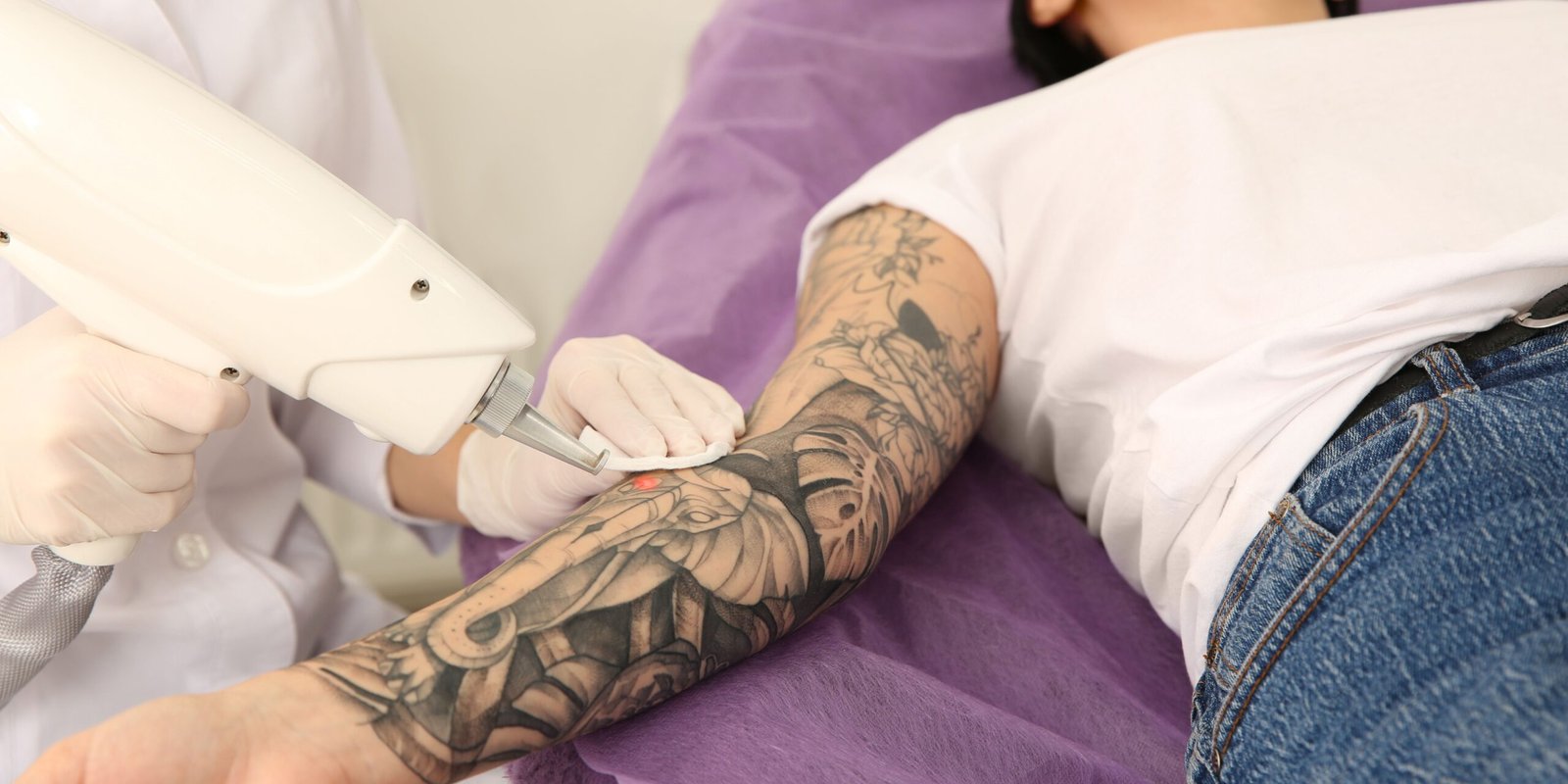
Deciding to clear unwanted body art is an exciting step toward refreshing your appearance and reclaiming a clean canvas. When exploring advanced aesthetic options like Picosure Tattoo Removal in Abu Dhabi, many individuals wonder why two people can experience completely different fading timelines. Because this ultra-short pulse technology works in partnership with your body’s natural biological processes, the final outcome depends on a fascinating combination of ink chemistry, skin characteristics, and personal wellness. Understanding these key variables helps set realistic expectations and empowers you to support your skin throughout every stage of the clearing journey.
-
Collaborative Process: Laser technology breaks ink into tiny fragments, while your body clears those particles away over time.
-
Individual Timelines: Unique combinations of ink properties, skin biology, and lifestyle habits dictate how quickly a design fades.
-
Empowered Planning: Knowing what drives clearance helps you prepare your body and approach each session with confidence.
Understanding How Picosecond Technology Interacts with Tattoo Ink
To appreciate why certain tattoos vanish faster than others, it helps to look at how picosecond laser pulses interact with pigment beneath the skin. Unlike older nanosecond lasers that relied primarily on sustained heat to break down ink, picosecond systems deliver energy in trillionths of a second. This ultra-rapid delivery creates an intense photomechanical pressure wave that shatters stubborn ink droplets into microscopic, dust-like particles without overheating surrounding tissue. Once the pigment is pulverized into tiny fragments, your body’s lymphatic system steps in to gradually flush those microscopic particles away.
-
Photomechanical Action: Ultra-fast pulses use pressure waves rather than prolonged heat to shatter dense ink clusters.
-
Microscopic Fragmentation: Breaking ink into dust-like particles makes it much easier for the body to process and eliminate.
-
Lymphatic Clearance: Fading continues progressively in the weeks following each session as your immune cells sweep away the debris.
The Role of Wavelengths and Pulse Speed
Different ink pigments absorb specific wavelengths of light, which is why wavelength versatility plays a major role in clearing multi-colored designs. Standard picosecond configurations utilize specialized wavelengths—such as 755 nm, 532 nm, and 1064 nm—to target distinct color spectrums with precision. Meanwhile, the picosecond pulse duration matches the tiny physical size of tattoo pigment granules, ensuring energy is absorbed efficiently by the ink itself.
-
Targeted Light Absorption: Specific wavelengths match corresponding ink colors so laser energy penetrates directly into the pigment.
-
Precision Pulse Matching: Trillionth-of-a-second pulses align with the microscopic dimensions of tattoo ink particles for thorough shattering.
Ink-Related Factors That Shape Your Outcome
Every tattoo is a custom creation made with unique pigments, application techniques, and layering methods. Because tattoo inks are not standardized across studios or eras, the physical makeup of the ink inside your dermis is one of the strongest predictors of how many sessions you will need.
-
Non-Standardized Formulas: Different manufacturers blend varying minerals, metals, and organic compounds to create tattoo dyes.
-
Variable Density: The sheer volume of pigment packed into the skin directly affects how long it takes to break down completely.
Ink Color and Pigment Composition
Color is often the first factor specialists evaluate when estimating removal progress. Black ink absorbs all laser wavelengths evenly, making dark black and deep blue designs the fastest and easiest to clear. Brighter hues such as green, red, yellow, and orange reflect certain light frequencies and require targeted wavelengths to fragment effectively. White and pastel inks frequently contain titanium dioxide or other mineral compounds that reflect laser energy, often requiring specialized approaches and additional patience.
-
Fastest-Clearing Shades: Black and dark blue inks absorb laser energy across all wavelengths, resulting in rapid fading.
-
Challenging Bright Colors: Reds, yellows, greens, and oranges require specific wavelength matching to break down stubborn pigment bonds.
-
Metallic and Mineral Compounds: Certain bright or white inks contain compounds like titanium or beryllium that resist rapid fragmentation.
Depth, Density, and Professional vs. Amateur Application
The technique used by the original tattoo artist heavily influences how deeply the pigment sits in the dermis. Professional artists use high-powered machines to deposit dense, uniform layers of ink deep within the middle layer of the skin so the design stays sharp for decades. Conversely, amateur tattoos often feature lighter ink density and shallower placement, allowing laser pulses to reach and shatter the pigment much faster. Cover-up tattoos present a unique challenge because multiple layers of dense ink are stacked directly on top of an older design.
-
Deep Dermal Placement: Professional designs pack ink deeper into the dermis, requiring extra sessions to reach every layer.
-
Superficial Amateur Ink: Less uniform and shallower ink deposits typically break apart more quickly under picosecond pulses.
-
Layered Cover-Ups: Multiple overlapping layers of pigment increase overall ink density and extend the total clearing timeline.
Age of the Tattoo
Time naturally works in your favor when it comes to clearing unwanted body art. Over many years, your body’s immune cells slowly nibble away at ink particles, while ultraviolet rays from everyday sunlight gradually break down surface pigments. As a result, a ten-year-old tattoo that already looks soft or slightly faded usually responds faster than a brand-new tattoo with fresh, tightly packed pigment clusters.
-
Natural Immune Degradation: Older tattoos have already undergone years of slow, natural fading by white blood cells.
-
Fresh Ink Density: Newly healed tattoos contain dense, intact pigment reservoirs that require more energy pulses to disperse.
Biological and Anatomical Influences
Once the laser shatters tattoo pigment into microscopic dust, the laser’s job is temporarily complete—and your body takes over. Your unique physiology, skin tone, and the exact placement of the tattoo on your body determine how smoothly and rapidly that fragmented ink disappears.
-
Internal Cleanup Crew: Macrophages and lymphatic pathways are responsible for transporting shattered ink away from the skin.
-
Anatomical Differences: Skin thickness and local blood supply vary significantly from head to toe.
Skin Tone and Melanin Levels
Natural skin tone plays an essential role in how laser parameters are tailored for each individual. Lighter skin tones contain less epidermal melanin, allowing a high proportion of laser light to pass straight through the surface and focus directly on the tattoo ink. Darker skin tones have higher concentrations of natural melanin, which also absorbs light energy. To protect natural skin pigmentation and maintain an even complexion, specialists adjust wavelength selections and energy settings carefully, which can mean spacing out progress over a few additional sessions.
-
High Contrast Advantage: Lighter skin absorbs minimal laser energy, directing maximum power straight into dark tattoo pigments.
-
Tailored Settings for Deeper Tones: Adjusted wavelengths and gentle energy calibrations preserve natural melanin while steadily fading ink.
Tattoo Location and Blood Circulation
Where a tattoo sits on your body directly affects how fast your lymphatic system can flush away shattered pigment. Tattoos located on the chest, upper back, neck, and face sit close to the heart and major lymph nodes, benefiting from rich blood circulation and rapid immune clearance. In contrast, extremities such as the ankles, feet, wrists, and fingers have slower circulation and fewer lymph nodes nearby, meaning ink fragments linger longer between appointments.
-
High-Circulation Zones: Designs on the torso, neck, and upper arms fade rapidly thanks to robust vascular and lymphatic flow.
-
Slower Extremity Clearance: Tattoos on hands, wrists, ankles, and feet take longer to clear due to reduced peripheral circulation.
Overall Size and Pre-Existing Skin Texture
Naturally, a tiny minimalist symbol requires far less time under the laser than a sprawling full-sleeve or back piece. Larger designs cover extensive surface area and hold substantially higher volumes of ink, requiring methodical, multi-session clearance so your lymphatic system is never overwhelmed. Additionally, if the skin beneath the tattoo developed raised scar tissue during the original tattooing process, dense collagen fibers can trap ink particles deeper inside the tissue and slow down light penetration.
-
Surface Area and Ink Volume: Larger tattoos contain massive ink reserves that must be cleared gradually across multiple visits.
-
Impact of Scar Tissue: Fibrous scar tissue from heavy-handed tattooing can encapsulate ink and make pigment harder to reach.
Lifestyle Habits and Aftercare Consistency
While you cannot change the age or color of an existing tattoo, your daily habits exert a powerful influence over your clearance speed. Supporting your immune system and protecting your skin between visits can noticeably accelerate your visible progress.
-
Controllable Variables: Daily wellness choices directly enhance or hinder your lymphatic system’s efficiency.
-
Consistent Routine: How you care for the treated area between sessions determines how cleanly your skin recovers.
Immune Health, Hydration, and Smoking
Because your immune system acts as the transport mechanism that clears shattered ink from the dermis, overall wellness is vital. Staying well-hydrated, eating nutrient-dense foods, engaging in regular physical activity, and getting restorative sleep all keep lymphatic drainage moving briskly. On the other hand, smoking constricts blood vessels and impairs immune cell activity, significantly slowing down ink clearance and extending the number of appointments needed.
-
Hydration and Circulation: Drinking plenty of water and staying active boost blood flow and lymphatic waste removal.
-
Effects of Smoking: Nicotine narrows blood vessels and weakens immune response, substantially delaying pigment fading.
Sun Protection and Session Spacing
Protecting treated skin from direct ultraviolet exposure keeps melanin levels stable so each session can proceed on schedule without interruption. Wearing broad-spectrum sunscreen and keeping the area covered ensures your skin remains calm and ready for optimal laser absorption. Equally important is respecting the recommended six-to-eight-week interval between appointments. Rushing sessions does not speed up removal; your body needs adequate time between visits to finish flushing out fragmented pigment and allow the skin barrier to renew completely.
-
UV Protection: Shielding the area from sun exposure prevents tanning and keeps natural melanin calm between sessions.
-
Patience Between Visits: Spacing appointments six to eight weeks apart gives your lymphatic system time to clear shattered ink.
Frequently Asked Questions (FAQs)
1. Why do black tattoos fade faster than bright colored tattoos during picosecond laser sessions?
Black tattoo pigment absorbs all light wavelengths uniformly, allowing the laser energy to shatter the ink particles efficiently during every pulse. Brighter shades like yellow, green, red, and white reflect specific light frequencies and often contain complex mineral compounds, requiring targeted wavelengths and extra sessions to break down completely.
2. How does the location of a tattoo on my body influence removal speed?
Tattoos located closer to the heart and major lymph nodes—such as on the chest, neck, face, or upper back—benefit from strong blood flow and active immune circulation, helping the body clear fragmented ink rapidly. Designs on the hands, feet, wrists, or ankles have lower peripheral circulation, so pigment particles take longer to flush away.
3. Can lifestyle changes help my body clear tattoo ink more quickly between sessions?
Yes, healthy daily habits directly support the lymphatic system responsible for removing shattered pigment. Staying consistently hydrated, exercising regularly, eating a balanced diet, protecting your skin from direct sun exposure, and avoiding smoking all promote stronger circulation and faster pigment clearance.
4. Why is it important to wait several weeks between picosecond laser appointments?
The laser shatters ink instantaneously during your appointment, but your body’s immune system needs several weeks afterward to gradually absorb and eliminate those microscopic fragments. Waiting six to eight weeks between sessions allows your skin to recover fully and ensures you get maximum fading from every single treatment.

