
(Medically reviewed by Dr. Sannia Awais
Introduction
A PRP knee injection procedure involves drawing a small amount of your blood, processing it to concentrate platelets, and injecting the platelet-rich plasma into your knee joint. The treatment is minimally invasive and is commonly considered by people experiencing knee pain, particularly due to osteoarthritis or certain sports-related injuries.
Knee pain can make everyday activities such as walking, climbing stairs, exercising, and standing for long periods uncomfortable. While medication and physiotherapy can help manage symptoms, some people explore regenerative treatments such as Platelet-Rich Plasma (PRP) therapy.
PRP injections use components naturally found in your blood. The aim is to support the body’s healing processes and potentially reduce pain and improve joint function. However, results vary, and PRP injections for knees in Abu Dhabi do not guarantee cartilage regeneration or reverse arthritis.
Understanding what happens before, during, and after the procedure can help you decide whether this treatment is worth discussing with a qualified healthcare professional.
What Is a PRP Knee Injection?
A PRP knee injection is a treatment that uses a concentrated portion of your own blood, known as platelet-rich plasma, to help manage knee pain and support tissue repair. It is commonly investigated as a non-surgical option for people with knee osteoarthritis and selected musculoskeletal injuries.
Blood contains several components, including:
-
Red blood cells: Carry oxygen throughout the body.
-
White blood cells: Help the immune system fight infections.
-
Platelets: Play an important role in blood clotting and release growth factors involved in healing.
-
Plasma: The liquid portion of blood that carries cells, proteins, and other substances.
During PRP preparation, a blood sample is processed to separate and concentrate platelets within the plasma.
The resulting preparation is injected into the affected knee area. Since the treatment uses your own blood, the risk of an allergic reaction to the injected material is generally low. However, infection, bleeding, and other complications remain possible.
PRP knee injections are not the same as steroid injections or hyaluronic acid injections. Each treatment works differently and may be suitable for different knee conditions.
How Does a PRP Knee Injection Work and What Are Its Benefits?
A PRP knee injection works by delivering a concentrated amount of platelets and their growth factors to the affected area. These substances participate in the body’s natural healing and inflammatory processes, although their clinical effects can differ between patients.
What Happens During the Procedure?
The procedure usually takes around 30–60 minutes, depending on the preparation method and whether imaging guidance is required.
Here is what typically happens during a PRP knee injection:
1. Initial consultation and knee assessment
The practitioner reviews your medical history, symptoms, and previous treatments before recommending PRP therapy.
-
Your knee pain and mobility are assessed.
-
The practitioner may examine joint movement and tenderness.
-
Imaging, such as X-rays or an MRI, may be reviewed when appropriate.
-
Your suitability for the injection is discussed.
2. Blood collection
Once the treatment plan is confirmed, a small blood sample is collected from a vein in your arm.
-
The process is similar to a routine blood test.
-
The amount collected depends on the preparation system.
-
The blood is placed in a specialised sterile collection tube.
3. Blood processing using a centrifuge
The collected blood is placed in a centrifuge, a machine that spins the sample at a controlled speed.
-
Spinning separates the different blood components according to their density.
-
The platelet-rich portion is isolated.
-
The practitioner prepares the concentrated plasma for injection.
The platelet concentration and composition can vary depending on the equipment and preparation technique used.
4. Preparing the knee
Before administering the injection, the practitioner cleans the treatment area using an antiseptic solution.
-
The skin is disinfected to reduce infection risk.
-
A local anaesthetic may be used when appropriate.
-
Ultrasound guidance may help position the needle accurately within the knee joint.
5. Administering the PRP injection
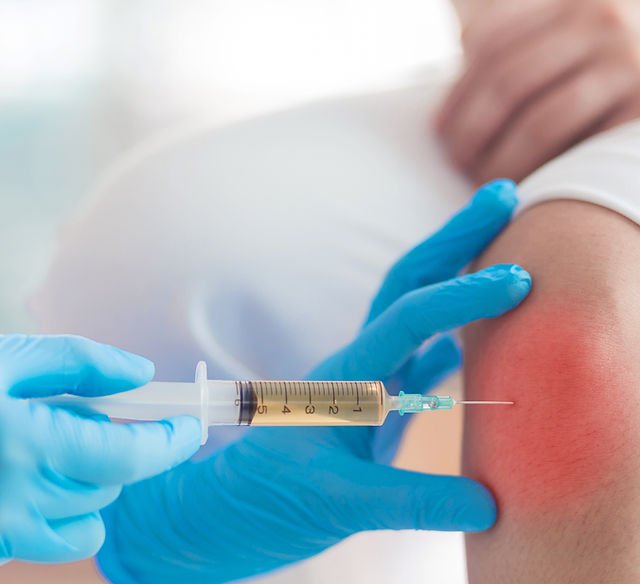
The prepared platelet-rich plasma is injected into the targeted area of the knee.
-
You may feel pressure or mild discomfort as the needle enters.
-
The injection is usually completed within a few minutes.
-
The needle is removed, and a small dressing may be applied.
6. Short observation and aftercare instructions
After the injection, you may be asked to remain at the clinic briefly.
-
The practitioner checks for immediate reactions.
-
You receive instructions about physical activity and pain management.
-
You may be advised when to resume your normal routine.
The exact steps may vary depending on your knee condition, the PRP preparation method, and the practitioner’s treatment protocol.
Potential Benefits of PRP Knee Injections
PRP therapy may offer several potential benefits for appropriately selected patients:
-
Pain management: Some patients experience a reduction in knee pain, particularly those with mild to moderate osteoarthritis.
-
Improved mobility: Reduced discomfort may make walking, bending, and everyday movements easier.
-
Minimally invasive treatment: PRP is administered through an injection rather than surgery.
-
Uses your own blood: The preparation comes from your own blood, reducing the likelihood of an allergic reaction to the injected material.
-
Potentially longer-lasting relief: Some studies suggest that symptom improvement may last longer than the relief provided by certain other injections, although results are inconsistent.
It is important to understand that PRP is not a cure for knee arthritis. Research is still developing, and treatment outcomes depend on factors such as the severity of joint damage, PRP formulation, and individual health.
Who Is a Good Candidate for PRP Knee Injections?
PRP knee injections may be suitable for people with persistent knee pain who want to explore non-surgical treatment options. The treatment is generally considered more appropriate for selected patients with mild to moderate knee osteoarthritis than for those with advanced joint damage.
A healthcare professional will assess your symptoms, medical history, and overall knee health before recommending treatment.
You may be a potential candidate if you:
-
Have mild to moderate knee osteoarthritis: You experience stiffness, discomfort, or reduced mobility due to early or moderate cartilage degeneration.
-
Experience persistent knee pain: Your symptoms continue despite trying conservative treatments such as physiotherapy, exercise, or medication.
-
Have certain sports-related injuries: You have selected tendon or ligament problems for which a practitioner considers PRP appropriate.
-
Want to explore non-surgical options: You prefer to discuss an injection-based treatment before considering surgery.
-
Are in generally good health: You do not have medical conditions that would make blood collection or injection treatment unsuitable.
Who May Not Be Suitable?
PRP injections are not appropriate for everyone. Additional assessment or alternative treatment may be necessary for people with:
-
Severe knee osteoarthritis or extensive cartilage loss.
-
Active infections or skin infections near the injection site.
-
Certain blood disorders or platelet abnormalities.
-
Significant anaemia or low platelet counts.
-
Certain cancers or other medical conditions affecting treatment suitability.
-
Conditions or medications that may interfere with blood collection or platelet function.
People taking blood thinners or anti-inflammatory medications should discuss them with their practitioner. Never stop prescribed medication without medical advice.
PRP Knee Injections vs Hyaluronic Acid Injections: What Is the Difference?
Platelet-Rich Plasma (PRP) and hyaluronic acid injections are both used to manage knee osteoarthritis symptoms, but they work differently. PRP uses concentrated platelets from your own blood, whereas hyaluronic acid injections provide a substance that naturally occurs in joint fluid.
Understanding their differences can help you discuss the most appropriate treatment with your healthcare professional.
| Feature | PRP Knee Injection | Hyaluronic Acid Injection |
|---|---|---|
| Main component | Platelet-rich plasma | Hyaluronic acid |
| Source | Patient’s own blood | Prepared medical product |
| Preparation | Blood collection and centrifugation | Ready-to-use injection |
| Main purpose | Potentially modulates inflammation and supports healing processes | Supplements joint lubrication and cushioning |
| Procedure | Blood collection followed by injection | Direct joint injection |
| Possible benefits | Pain relief and improved knee function | Temporary improvement in pain and joint movement |
| Potential side effects | Temporary pain, swelling, bruising, or infection | Temporary pain, swelling, or joint reaction |
Which Treatment Should You Choose?
Neither treatment is automatically better for every patient.
PRP may be considered when someone wants to explore a blood-derived treatment for knee osteoarthritis. Hyaluronic acid may be discussed when the aim is to supplement the joint’s natural lubricating fluid.
Clinical research comparing these treatments has produced mixed findings. The effectiveness of PRP also depends on its preparation, concentration, and the patient’s condition.
Your practitioner can explain the potential benefits, limitations, and risks of both options before recommending a treatment plan.
PRP Knee Injection Cost and Recovery
The cost of PRP knee injections varies depending on the preparation method, number of injections, medical assessment, and treatment requirements. Recovery is generally short, although temporary discomfort and swelling can occur after the procedure.
What Affects the Cost of PRP Knee Injections?
There is no single fixed price for every patient. Several factors can influence the overall treatment cost:
-
Number of injections: Some treatment plans involve one injection, while others may recommend multiple sessions.
-
PRP preparation technique: Different centrifugation systems and preparation methods can affect the overall cost.
-
Imaging guidance: Ultrasound-guided injections may involve additional equipment and professional expertise.
-
Medical assessment: Initial consultations and diagnostic investigations may contribute to the total expense.
-
Individual treatment requirements: The severity of knee symptoms and the recommended treatment plan can influence the overall cost.
A personalised assessment is the best way to understand the expected expenses and whether PRP is an appropriate option.
What Is Recovery Like After a PRP Knee Injection?
Most people can return home shortly after the procedure. However, the knee may feel uncomfortable for a few days as the joint responds to the injection.
Recovery varies between individuals, but the following timeline provides a general idea.
First 24–48 hours:
-
Mild swelling, tenderness, or stiffness may occur.
-
Avoid strenuous exercise and excessive pressure on the treated knee.
-
Follow the practitioner’s instructions regarding walking and daily activities.
First week:
-
Gradually return to light activities as advised.
-
Avoid intense workouts, running, and heavy lifting until cleared.
-
Attend follow-up appointments if recommended.
Following weeks:
-
Knee discomfort may gradually improve in some patients.
-
A practitioner may recommend physiotherapy to support strength and mobility.
-
Activities can be increased gradually according to your recovery.
Some people experience temporary worsening of pain before noticing improvement. Others may not experience meaningful benefits.
Are There Any Risks or Side Effects?
PRP knee injections are generally well tolerated, but they are not completely risk-free.
Possible side effects and complications include:
-
Temporary pain or tenderness around the injection site.
-
Swelling and stiffness in the treated knee.
-
Bruising following blood collection.
-
Bleeding or irritation around the injection area.
-
Infection within the joint, although this is uncommon.
-
Temporary inflammatory reactions.
-
No meaningful improvement in knee symptoms.
Seek prompt medical attention if you develop a fever, increasing redness, severe or worsening pain, significant swelling, or difficulty bearing weight after the procedure.
Another important consideration is medication use. Some practitioners advise avoiding certain non-steroidal anti-inflammatory drugs (NSAIDs) around PRP treatment. However, recommendations vary, and you should follow individual medical advice rather than changing your medication independently.
Frequently Asked Questions
1. How Long Does a PRP Knee Injection Procedure Take?
A PRP knee injection appointment typically takes around 30–60 minutes. This includes blood collection, centrifugation, preparation of platelet-rich plasma, and administration of the injection. The exact duration depends on the preparation system and treatment protocol.
2. Is a PRP Knee Injection Painful?
Most people experience mild discomfort during the procedure. Blood collection feels similar to a routine blood test, while the knee injection may cause brief pressure or stinging. Temporary soreness and swelling can also occur afterwards.
3. How Many PRP Injections Are Needed for Knee Pain?
The number of injections depends on the patient’s condition, treatment goals, and the practitioner’s protocol. Some people receive one injection, while others may be advised to undergo a series of treatments. There is no universally established injection schedule.
4. How Long Does It Take to See Results From PRP Knee Injections?
Some patients begin noticing changes within a few weeks, while others may require several months to assess the outcome. Results vary according to knee damage, individual response, and PRP preparation. Some patients do not experience significant improvement.
5. Can PRP Knee Injections Regenerate Damaged Cartilage?
PRP may influence biological processes involved in inflammation and tissue repair, but there is currently insufficient evidence to establish that it reliably regenerates damaged knee cartilage. It should primarily be discussed as a potential symptom-management option rather than a cartilage replacement treatment.
Conclusion
A PRP knee injection procedure is a minimally invasive treatment that uses concentrated platelets from your own blood to potentially reduce knee pain and improve joint function. The procedure involves blood collection, centrifugation, preparation of platelet-rich plasma, and injection into the affected knee.
Although PRP therapy offers a potential option for selected people with knee osteoarthritis and other musculoskeletal conditions, its effectiveness is not guaranteed. Temporary swelling, discomfort, and other complications are possible, and scientific evidence continues to evolve.

