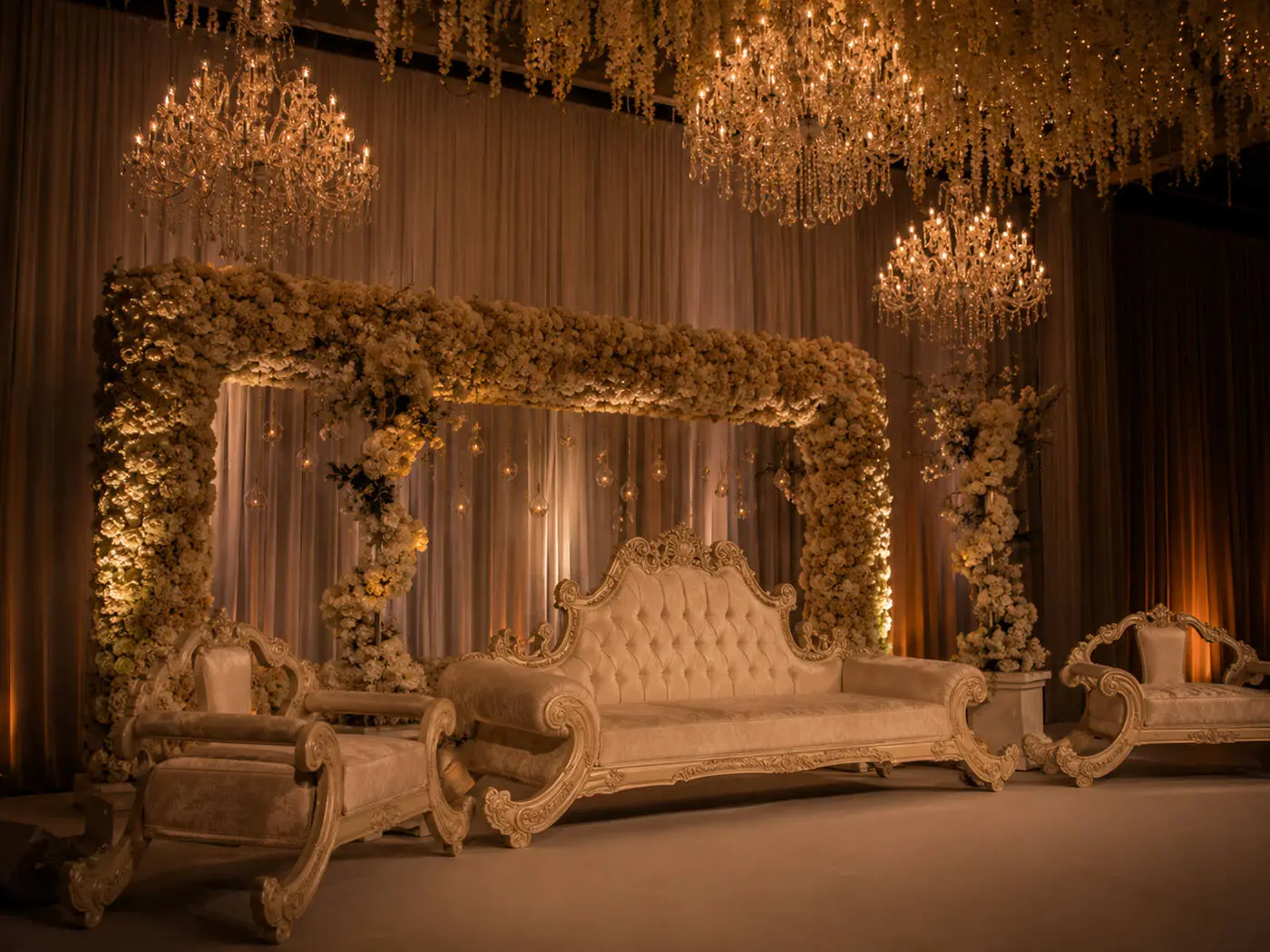
A detailed production timeline helps an event team organise tasks, coordinate suppliers, and prepare every technical element before the event begins. It should cover planning milestones, venue access, equipment delivery, stage installation, rehearsals, guest arrival, live programme cues, and dismantling. A well-structured timeline helps events company in dubai teams keep projects organised while reducing confusion between planning and production departments.
The timeline should also identify task owners, deadlines, dependencies, and contingency periods. Businesses working with a corporate event management company dubai should confirm how the production schedule will be maintained, updated, and communicated to everyone involved.
Start With the Event Brief
Before creating a timeline, gather the information that will shape the production process. This includes the event format, expected attendance, venue, programme, technical requirements, and client approval process.
Identify fixed deadlines, such as venue access times, speaker availability, and the event opening time. These determine how much preparation time is available for other tasks.
A clear brief prevents the production schedule from being built around assumptions that may later change.
Divide the Project Into Production Phases
Organising the timeline into phases makes it easier to monitor progress and identify outstanding work.
| Production phase | Tasks to include |
|---|---|
| Initial planning | Confirm objectives, venue, event format, and requirements |
| Design and approval | Review stage layouts, branding, and technical plans |
| Supplier coordination | Confirm equipment, deliveries, and installation teams |
| Pre-production | Finalise scripts, presentations, cue sheets, and schedules |
| Venue setup | Install staging, lighting, sound, and displays |
| Testing and rehearsal | Check equipment, presentations, and programme transitions |
| Live delivery | Coordinate speakers, cues, audience movement, and timing |
| Breakdown | Dismantle equipment and clear the venue |
| Post-event review | Document issues, feedback, and lessons learned |
Each phase should have a start date, completion deadline, and responsible person.
Include Equipment Delivery and Installation
Technical equipment often requires specific delivery and installation windows. The timeline should account for loading access, equipment checks, assembly, cable management, testing, and approval before the venue opens.
Confirm whether staging, lighting structures, screens, and other installations require additional inspections or venue approval. Allow enough time for corrections if an installation does not meet the agreed specifications.
The production team should also know which equipment must be installed first because other tasks depend on it.
Schedule Technical Rehearsals
A rehearsal should test more than whether the equipment powers on. It should confirm that the entire production sequence works as intended.
Include time for:
- Microphone and speaker checks.
- Presentation and video playback tests.
- Lighting cues and stage transitions.
- Speaker entrances and exits.
- Remote connections for hybrid sessions.
- Backup equipment checks.
- Communication between the stage manager and technical team.
Share presentation files and final scripts before rehearsal whenever possible. Late changes can require additional testing.
Build a Detailed Event-Day Run of Show
The production timeline covers the wider project, while the run