
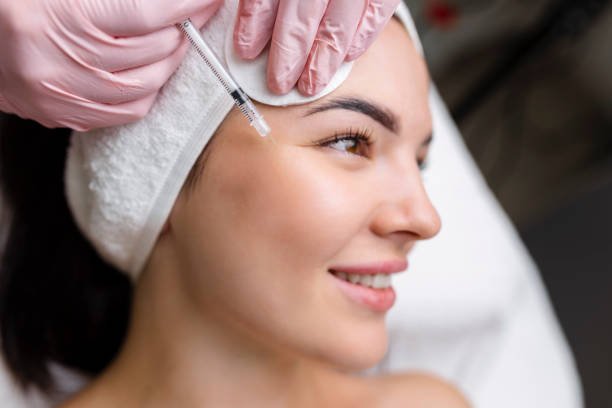
Understanding what to avoid after botulinum toxin injections is an important part of learning about the treatment and its recovery process. Although the procedure generally does not involve extensive downtime, temporary reactions such as redness, swelling, tenderness, or bruising may occur. Following appropriate medical guidance can help patients avoid unnecessary irritation and recognise symptoms that need professional attention.
Botox Injections in Riyadh is a commonly searched phrase among people researching botulinum toxin procedures. However, understanding the treatment also means knowing which activities, products, and habits may need temporary adjustment afterward. Recovery instructions can vary according to the treatment area, medical purpose, and individual circumstances.
Why Aftercare Matters Following Botox Injections
Botulinum toxin temporarily affects nerve signals to targeted muscles. Its effects develop gradually, so the treatment outcome is not usually visible immediately.
Aftercare guidance helps patients understand how to care for the treated area while temporary reactions settle. It is important to follow the instructions provided by the qualified healthcare professional rather than assuming that every treatment requires the same precautions.
What to Avoid After Botox Injections
Avoid Rubbing or Massaging the Treated Area
Avoid unnecessary pressure, rubbing, or massaging around injection sites immediately after treatment. These actions may irritate the skin and contribute to discomfort.
Ask your healthcare professional when facial massages, cleansing treatments, or other procedures can safely resume.
Avoid Strenuous Exercise Until Advised
Ask the treating professional when you can return to intense physical activity. Recommendations may vary depending on the procedure and individual circumstances.
Gentle daily activities may be possible, but follow your specific aftercare instructions rather than applying a universal exercise restriction.
Avoid Excessive Heat if Advised
Some healthcare professionals recommend temporarily avoiding activities involving substantial heat exposure, depending on the treatment and individual situation.
Ask whether hot baths, saunas, or other heat-based activities should be postponed and for how long.
Avoid Unapproved Skincare Treatments
Strong exfoliants, chemical peels, and certain facial treatments may irritate recently treated skin. Avoid introducing new or intensive skincare products around injection sites without professional guidance.
Use gentle skincare according to the instructions provided.
Avoid Changing Prescribed Medication
Certain medicines and supplements can influence bruising. However, stopping prescribed medication without medical advice can create other health risks.
Share your medication and supplement list with your healthcare professional and ask whether any changes are necessary.
Everyday Habits to Approach Carefully
Follow Advice About Alcohol
Ask your healthcare professional whether alcohol should be avoided around the time of treatment, particularly if you are concerned about bruising or taking medication that may interact with alcohol.
Avoid Unnecessary Pressure on the Face
Follow the specific instructions you receive about touching the treated area, sleeping positions, and facial treatments. Avoid actions that create unnecessary pressure or irritation.
Avoid Applying Makeup Too Soon if the Skin Is Irritated
If injection sites are tender, swollen, or irritated, ask when makeup can safely be applied. Use clean products and avoid vigorous application or removal.
What Can Support a Comfortable Recovery?
Following professional aftercare guidance is more useful than trying several home remedies. Keep the treated area clean, avoid unnecessary irritation, and monitor any changes.
Mild redness, swelling, or bruising may occur temporarily. However, symptoms that worsen or do not improve should be discussed with a healthcare professional.
When Should You Seek Medical Attention?
Seek emergency medical attention if you experience difficulty breathing, swallowing, or speaking, significant generalised muscle weakness, or serious vision changes after treatment.
Contact your healthcare professional about increasing swelling, persistent pain, unusual skin changes, or other unexpected reactions.
Understanding Botox Treatment in Riyadh
People researching botox treatment in riyadh should understand that botulinum toxin is a prescription medicine requiring appropriate medical assessment and administration by a qualified professional.
Botox Injections in Riyadh should only be considered after discussing possible risks, medical history, and treatment suitability. Cosmetic Botox is generally not appropriate for minors; medical use in younger patients requires specialist evaluation and appropriate parent or guardian involvement.
Conclusion
Knowing what to avoid after Botox injections can help patients follow a more informed recovery routine. Avoid unnecessary pressure, unapproved skincare treatments, and medication changes without professional advice. Individual aftercare recommendations may differ, so follow the treating professional’s instructions and seek medical attention if concerning symptoms develop.
Book an Appointment Consultation
For those seeking expert guidance and customized aesthetic care, you can book an appointment consultation at the Enfield Royal Riyadh.
Frequently Asked Questions
1. Can I exercise after Botox injections?
Ask your healthcare professional when strenuous exercise can resume, as recommendations may vary according to individual circumstances.
2. Should I avoid touching my face after Botox?
Avoid unnecessary rubbing or pressure around injection sites and follow your professional’s specific aftercare instructions.
3. Can I use skincare products after Botox?
Gentle skincare may be suitable, but ask when to resume exfoliants and intensive facial treatments.
4. Should I avoid heat after Botox injections?
Ask your healthcare professional whether saunas, hot baths, or other heat exposure should be temporarily avoided.
5. Can I stop medication before or after Botox?
Never stop prescribed medication independently. Discuss medicines and supplements with your healthcare professional.

