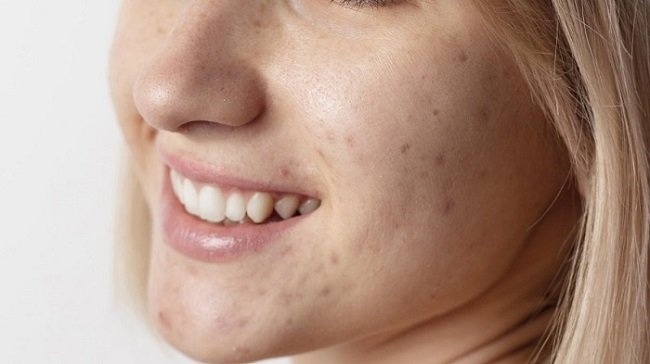
Dealing with persistent breakouts and visibly enlarged skin openings can feel frustrating when your goal is a smooth, balanced complexion. Many people assume that pores open and close like tiny doors, yet their appearance is actually dictated by structural factors beneath the surface of your skin. Seeking professional Acne Treatment in Abu Dhabi allows individuals to target the root biological triggers of congestion while visibly refining skin texture over time. When excess oil, dead skin cells, and inflammation are properly managed, the pore walls experience less outward pressure and naturally appear tighter and smoother.
-
Enlarged pores and active breakouts share the same underlying triggers beneath the skin’s surface.
-
Targeted dermatological care clears internal blockages so stretched pore walls can return to a refined state.
-
Managing oil production and boosting cellular turnover are the primary mechanisms behind visible pore reduction.
Understanding the Connection Between Acne and Enlarged Pores
To understand how clearing blemishes leads to a smoother complexion, it is essential to examine the anatomy of the pilosebaceous unit. Every visible opening on the face corresponds to a hair follicle connected to a sebaceous gland that produces natural oils. When this system functions smoothly, sebum travels effortlessly to the surface to keep the skin barrier hydrated and protected. However, hormonal shifts, environmental stressors, and genetic predispositions can disrupt this delicate balance and trigger a cascade of congestion.
-
Every pore houses a hair follicle and an oil-producing sebaceous gland working together to protect the skin.
-
Internal disruptions to oil flow set the stage for both visible stretching and blemish formation.
How Sebum and Dead Skin Cells Stretch Pore Walls
When sebaceous glands go into overdrive, they produce thick, excess oil that mixes with shedding dead skin cells inside the follicular canal. Because the lining of the pore cannot shed these cells efficiently, a sticky plug forms and begins to expand the opening from the inside out. Over months and years, this constant internal stretching weakens the surrounding structural fibers, making the pore look permanently wider even after a surface blemish heals.
-
Excess sebum traps dead skin cells inside the follicle, creating a physical plug that forces the opening wider.
-
Prolonged internal pressure weakens surrounding tissue, causing pores to remain visibly enlarged.
The Role of Inflammation in Skin Texture
Beyond physical blockages, localized inflammation plays a major role in altering surface texture. When bacteria thrive inside a clogged follicle, the immune system responds by sending inflammatory mediators to the area, resulting in swelling, redness, and tenderness. This swelling distends the upper layers of the skin and damages neighboring collagen fibers, leaving behind uneven depressions and noticeably stretched openings once the active breakout subsides.
-
Bacterial overgrowth triggers localized swelling that physically distends the skin around the follicle.
-
Chronic inflammation breaks down supportive structural proteins, leading to long-term textural irregularities.
Key Mechanisms: How Acne Treatment Minimises Pores
Modern dermatological approaches do not shrink pores in a literal anatomical sense, because pore size is genetically predetermined. Instead, effective therapies clear out the debris stretching the follicle and reinforce the surrounding skin architecture so the openings look significantly smaller. By addressing oil flow, cellular shedding, and structural support simultaneously, targeted regimens restore a refined, even finish to the complexion.
-
Treatments cannot alter genetic pore size, but they dramatically reduce their visible diameter by removing internal congestion.
-
A multi-step biological approach targets oil glands, surface shedding, and deeper structural support.
Regulating Excess Sebum Production
Controlling sebaceous gland activity is the first critical step in preventing pores from stretching further. When topical or systemic therapies normalize oil output, there is far less lipid material available to pool inside the follicle and mix with cellular debris. As the volume of trapped oil decreases, the walls of the pore are relieved of constant outward tension and gradually contract toward their natural resting state.
-
Normalizing oil output removes the primary substance responsible for distending follicular walls.
-
Reduced internal volume allows stretched openings to relax back toward their baseline diameter.
Accelerating Cellular Turnover and Exfoliation
Another vital mechanism involves speeding up the skin’s natural renewal cycle so dead cells do not accumulate at the surface. Keratolytic agents dissolve the bonds holding spent skin cells together, allowing them to shed smoothly rather than clumping inside the follicle. Keeping the follicular pathway clear prevents microcomedones from forming and ensures that existing plugs are gently lifted away without harsh physical scrubbing.
-
Faster cellular renewal stops dead skin cells from clumping together and blocking follicular openings.
-
Gentle chemical exfoliation clears existing debris without irritating or damaging delicate surface tissue.
Stimulating Collagen and Elastin Remodeling
As skin ages or endures repeated breakouts, the collagen and elastin network that holds pores taut begins to slacken. Advanced resurfacing and regenerative therapies stimulate fibroblasts in the dermis to synthesize fresh structural proteins around each hair follicle. This newly formed collagen acts like an internal scaffolding system, tightening the tissue surrounding the pore rim and pulling the opening into a tighter, less noticeable shape.
-
Fresh collagen production rebuilds the supportive scaffolding that keeps follicular walls firm and taut.
-
Strengthened dermal tissue prevents pore rims from sagging and appearing elongated over time.
Effective Dermatological Approaches for Acne and Pore Refinement
A comprehensive strategy combines daily active ingredients with targeted professional procedures to achieve lasting clarity and smoothness. Because different skin types respond uniquely to various modalities, a tailored plan ensures that congestion is cleared without compromising the protective moisture barrier. Consistent application of proven actives builds cumulative improvements in both blemish prevention and surface refinement.
-
Combining daily home actives with targeted professional modalities yields the most consistent textural improvements.
-
Tailoring treatments to individual skin needs protects the moisture barrier while clearing deep congestion.
Topical Retinoids and Chemical Exfoliants
Vitamin A derivatives and hydroxy acids form the cornerstone of long-term pore management. Retinoids communicate directly with skin cells to normalize keratinization, preventing sticky plugs from developing deep within the follicle while encouraging gradual collagen renewal. Meanwhile, oil-soluble beta hydroxy acids penetrate directly into lipid-rich pores to dissolve hardened sebum, whereas alpha hydroxy acids smooth the outermost layer of skin to improve light reflection and overall radiance.
-
Retinoids regulate cell turnover at the receptor level and support long-term structural firmness.
-
Oil-soluble acids penetrate deep into sebum-filled follicles to dissolve blockages from within.
Light-Based and Laser Therapies
Energy-based modalities offer a non-invasive pathway to target both active breakouts and lingering textural concerns simultaneously. Specific wavelengths of light help calm overactive sebaceous glands and reduce surface bacteria, cutting down the frequency of inflammatory flare-ups. Fractional resurfacing lasers create microscopic thermal zones in the dermis, triggering a natural healing cascade that tightens slackened pore walls and smooths uneven skin texture.
-
Targeted light wavelengths calm sebaceous activity and minimize bacterial buildup inside follicles.
-
Controlled thermal energy triggers deep tissue remodeling that visibly tightens stretched pore openings.
Professional Extractions and Chemical Peels
Controlled resurfacing peels and sterile manual extractions provide immediate relief for stubborn, deeply embedded congestion. By applying calibrated concentrations of exfoliating acids, professionals safely loosen impacted keratin and sebum plugs that daily cleansers cannot reach. Once the debris is gently cleared from the follicle, the surrounding tissue is no longer forced outward, resulting in an immediate visual refinement of skin texture.
-
Calibrated resurfacing solutions loosen stubborn follicular plugs that standard home care cannot dislodge.
-
Clearing impacted debris removes physical tension from the pore walls for smoother surface appearance.
Daily Skincare Habits to Maintain Minimised Pores
Professional interventions deliver optimal results when supported by a disciplined, barrier-friendly daily routine. Harsh cleansers, heavy occlusive cosmetics, and inconsistent sun protection can quickly undo progress by triggering rebound oil production or degrading newly formed collagen. Adopting gentle, supportive habits keeps follicles clear and preserves structural elasticity over the long term.
-
Consistent daily maintenance protects the results achieved through targeted acne therapies.
-
Avoiding harsh products prevents rebound oiliness and preserves the skin’s supportive collagen network.
Gentle Cleansing and Non-Comedogenic Hydration
Washing the face twice daily with a mild, pH-balanced cleanser removes sweat, pollutants, and excess surface lipids without stripping essential moisture. Many people mistakenly skip moisturizer when dealing with oily, blemish-prone skin, which actually prompts sebaceous glands to produce even more oil to compensate for dehydration. Applying a lightweight, non-comedogenic hydrator keeps the skin barrier resilient and signals oil glands to maintain a balanced output.
-
Mild, pH-balanced cleansers remove daily impurities without triggering defensive oil overproduction.
-
Lightweight, non-comedogenic moisturizers keep the barrier hydrated and discourage excess sebum release.
Consistent Sun Protection for Collagen Preservation
Ultraviolet radiation is one of the fastest ways to degrade the collagen and elastin fibers that keep pores looking tight and refined. Daily exposure to sunlight weakens dermal support, causing pores to sag, elongate, and appear significantly larger regardless of how clean they are. Wearing a broad-spectrum, oil-free sunscreen every morning shields structural proteins from photodamage and prevents post-blemish discoloration from darkening.
-
Daily UV exposure breaks down the structural collagen that holds pore walls firm and compact.
-
Broad-spectrum, oil-free sun protection preserves dermal elasticity and prevents post-blemish marks.
Frequently Asked Questions (FAQs)
Can acne treatment permanently shrink the size of my pores?
Pores do not have muscles to open or close, and their baseline size is determined by genetics. However, targeted acne treatments remove the trapped oil and dead skin cells that stretch pore walls outward while stimulating collagen around the follicle, making them appear significantly smaller and less noticeable on a long-term basis.
-
Genetic pore size cannot be permanently altered, but clearing blockages and boosting collagen keeps openings visibly tight.
How long does it take to see smaller pores after starting acne care?
Initial improvements in surface smoothness often appear within four to six weeks as excess oil and surface dead skin cells are cleared away. Deeper structural refinement from collagen remodeling typically takes three to six months of consistent care to reach its full visual potential.
-
Surface clarity improves within a month, while deeper collagen tightening develops over three to six months.
Why do my pores look larger while my skin is purging from a new treatment?
During the early stages of cellular turnover treatments, trapped debris from deeper layers is pushed toward the surface all at once. This temporary movement of oil and dead skin cells can briefly make pores look more prominent before the blockages clear out completely and the openings contract.
-
Temporary prominence occurs as deep congestion moves upward before clearing out to reveal smoother skin.
Will moisturizing make my pores look bigger if I have acne-prone skin?
Using a heavy, pore-clogging cream can trap oil and widen follicles, but a lightweight, non-comedogenic moisturizer actually helps minimize pore appearance. Proper hydration plumps the surrounding skin cells slightly and prevents sebaceous glands from overproducing oil in response to dryness.