
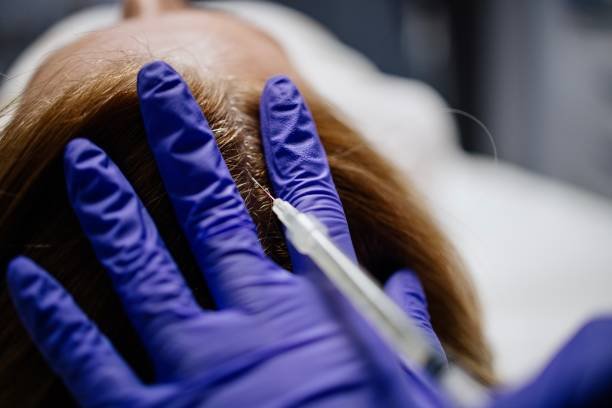
Hair loss is a common concern that can affect hair density, appearance, and personal confidence. Whether it develops gradually or becomes noticeable over a shorter period, thinning hair can make individuals look for effective ways to support healthier hair growth. Platelet-rich plasma therapy has gained attention as a treatment option that uses components from the individual’s own blood to support hair restoration. PRP Treatments in Abu Dhabi offer an approach that focuses on stimulating the scalp’s natural repair processes and supporting hair follicle activity. Understanding the benefits of this treatment, how it works, and who may benefit from it can help individuals make informed decisions about managing hair thinning and improving overall hair density.
How Do PRP Treatments Work for Hair Loss?
Platelet-rich plasma, commonly known as PRP, is prepared by collecting a small blood sample and processing it to concentrate platelets within the plasma. These platelets contain growth factors and proteins involved in the body’s natural healing and tissue-repair processes. The concentrated plasma is then introduced into selected areas of the scalp through carefully administered injections.
The purpose of PRP therapy is to create an environment that supports hair follicle activity and encourages healthier hair growth. Growth factors released by platelets may influence cellular activity around hair follicles and support the processes involved in maintaining hair health. This treatment is generally considered a supportive approach rather than a permanent solution for every type of hair loss.
Can PRP Treatments Improve Hair Thickness?
One of the main benefits of PRP therapy is its potential to improve the appearance of thinning hair. When hair follicles become less active, individual strands may gradually become thinner, making the scalp more visible. PRP treatment aims to support follicular activity, which may contribute to improved hair thickness in suitable individuals.
The growth factors present in concentrated plasma are believed to influence the environment surrounding hair follicles. By supporting cellular processes, the treatment may help certain weakened follicles produce stronger-looking strands. Over time, this can contribute to a fuller appearance and improved overall hair density.
However, results depend on the underlying cause of hair loss, the condition of existing follicles, and individual responses to treatment.
How Does PRP Therapy Support Hair Follicle Activity?
Hair follicles naturally move through different growth stages, including growth, transition, and resting phases. Changes in this cycle can contribute to excessive shedding or reduced hair density. PRP therapy aims to support the biological activity associated with healthy follicular function.
The concentrated platelets release growth factors that may encourage cellular communication and support the surrounding scalp environment. These biological signals can play a role in tissue maintenance and regeneration. By targeting areas affected by thinning, PRP treatment may help support existing follicles and encourage more favorable hair growth conditions.
This approach is particularly relevant when hair follicles remain present but have become less productive. It is important to understand that PRP cannot reliably restore follicles that have been permanently destroyed.
Can PRP Treatments Help Reduce Hair Shedding?
Excessive hair shedding can make hair appear thinner and less voluminous over time. PRP therapy may help address certain forms of hair thinning by supporting follicular health and influencing the hair growth cycle.
The growth factors released from concentrated platelets may help create conditions that support the active growth phase of hair follicles. For suitable individuals, this may contribute to improved hair retention and a gradual reduction in noticeable thinning.
However, hair shedding can result from several different factors, including hormonal changes, nutritional deficiencies, genetic patterns, and temporary changes in the body’s normal hair cycle. Identifying the underlying cause is important when determining whether PRP therapy is an appropriate treatment option.
Is PRP Treatment Beneficial for Both Men and Women?
PRP therapy may be considered by both men and women experiencing certain types of hair thinning. Although the patterns of hair loss can differ, both may experience reduced density, weaker strands, or increased scalp visibility.
Men commonly notice thinning around the hairline, temples, or crown, while women may experience more widespread thinning across the scalp. PRP treatment can be directed toward specific areas where existing hair follicles may benefit from additional support.
The suitability of treatment depends more on the condition of the hair follicles and the underlying cause of thinning than on gender alone. An individualized assessment helps determine whether the treatment is likely to provide meaningful improvement.
Can PRP Treatments Improve Overall Hair Density?
Hair density refers to the amount of hair growing within a particular area of the scalp. When follicles become less active or produce thinner strands, overall density may decrease. PRP therapy aims to support existing follicles and improve the conditions associated with healthy hair production.
As the treatment encourages follicular activity, some individuals may notice gradual improvements in the fullness of their hair. Increased strand thickness and improved hair retention can also contribute to a denser appearance.
The extent of improvement varies according to individual hair conditions. People with early or moderate thinning and active follicles may be more suitable candidates than those experiencing advanced hair loss with extensive follicular damage.
Why Is PRP Therapy Considered a Natural Hair Restoration Approach?
PRP therapy is often described as a natural hair restoration approach because it uses a concentrated component derived from the individual’s own blood. Unlike treatments that introduce externally manufactured substances, PRP relies on platelets and growth factors already present within the body.
These biological components are involved in natural tissue repair and cellular communication. When concentrated and introduced into selected scalp areas, they may support the local environment surrounding hair follicles.
This approach makes PRP an option for individuals interested in treatments that use their body’s own biological materials. Nevertheless, natural origin does not mean that the treatment produces identical results for everyone. Its effectiveness depends on individual suitability and the nature of the hair loss.
How Many PRP Sessions Are Needed for Hair Improvement?
PRP therapy generally involves multiple sessions rather than a single treatment. The number and spacing of sessions depend on the individual’s hair condition, the degree of thinning, and the treatment approach.
Since hair grows through a gradual biological cycle, improvements cannot usually be evaluated immediately after treatment. The scalp requires time to respond, and visible changes may develop over several months.
Some individuals may also benefit from maintenance sessions to support longer-term results. The treatment schedule should be determined according to individual progress and the condition of the scalp.
What Makes PRP Treatments a Popular Option for Hair Loss?
PRP therapy has become a popular option because it focuses on supporting existing hair follicles rather than simply changing the appearance of the hair. Its use of concentrated platelets, targeted application, and potential to improve hair thickness make it an interesting approach to hair restoration.
Another important consideration is its adaptability. Treatment can be directed toward different areas of the scalp depending on individual thinning patterns. This allows the approach to be tailored to specific hair concerns and restoration goals.
For individuals experiencing early hair thinning, PRP may offer an opportunity to support existing follicular activity and improve the overall appearance of their hair. A proper assessment remains essential for understanding its potential benefits and limitations.
Final Thoughts
PRP treatments offer a promising approach to managing certain types of hair loss by using concentrated platelets and their growth factors to support scalp health and hair follicle activity. Potential benefits include improved hair thickness, better density, support for existing follicles, and healthier-looking hair growth. The treatment may be suitable for both men and women experiencing early or moderate thinning, provided their hair follicles remain active. Since individual results depend on the underlying cause of hair loss and the condition of the scalp, understanding treatment suitability is an important part of achieving realistic hair restoration goals.
FAQs
What is the main benefit of PRP treatment for hair loss?
Its main benefit is supporting existing hair follicles, potentially improving hair thickness, density, and overall hair appearance.
Can PRP treatments stimulate new hair growth?
PRP may support existing follicles and encourage healthier growth, although results vary depending on follicular condition.
Is PRP treatment suitable for men and women?
Yes, it may be suitable for both men and women experiencing certain types of hair thinning.
How long does PRP take to show hair improvement?
Visible improvements generally develop gradually over several months as the hair growth cycle progresses.
Can PRP treatments improve thinning hair?
Yes, PRP may help improve the appearance of thinning hair by supporting follicular activity and hair thickness.

