
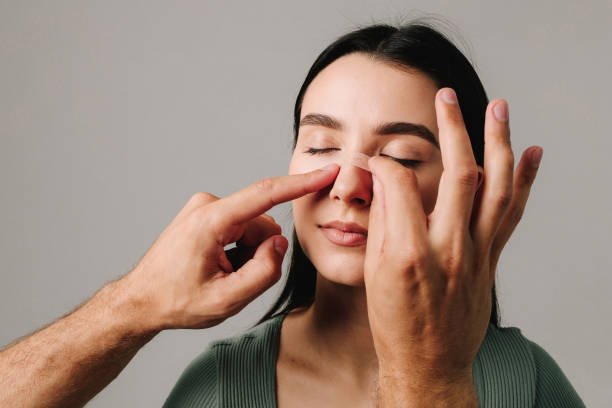
Rhinoplasty is a surgical procedure that changes the shape or structure of the nose. Despite its popularity as a topic of discussion, many misconceptions surround its purpose, recovery, safety, and expected outcomes. Rhinoplasty in Riyadh Understanding the facts can help people distinguish reliable medical information from unrealistic claims and make informed decisions.
Rhinoplasty in Riyadh may be considered by appropriately assessed adults for selected appearance-related or functional concerns. However, every person’s nasal anatomy, health, and expectations are different. People researching rhinoplasty in saudi arabia should understand what the procedure can realistically achieve rather than relying on common myths.
Myth 1: Rhinoplasty Is Only a Cosmetic Procedure
One common misconception is that rhinoplasty is performed exclusively to change appearance. Although many people consider it for aesthetic reasons, some procedures also address structural concerns.
The Fact About Functional Rhinoplasty
Rhinoplasty may involve changes to nasal structures that contribute to breathing difficulties. However, not every breathing problem can be corrected through cosmetic nasal surgery.
A medical assessment is necessary to identify the underlying cause and determine whether functional surgery, another treatment, or a combination of approaches is appropriate.
Myth 2: Rhinoplasty Always Makes the Nose Smaller
Some people assume that rhinoplasty always involves reducing the size of the nose. In reality, the procedure can involve different types of structural adjustments.
The Fact About Different Surgical Goals
Depending on individual anatomy, surgical planning may involve modifying the bridge, refining the tip, adjusting selected proportions, or addressing structural irregularities. In some cases, support or reconstruction may be necessary rather than simply removing tissue.
The appropriate goal is based on clinical findings and realistic expectations, not a universal preference for a smaller nose.
Myth 3: Rhinoplasty Results Are Immediately Visible
Another misconception is that the final nasal shape can be judged as soon as the procedure is completed.
The Fact About Gradual Healing
Swelling, bruising, and temporary changes in nasal appearance can occur during early recovery. The nose gradually settles as tissues heal, and subtle changes may continue for a year or longer.
The recovery timeline varies according to surgical complexity, individual healing, and whether the procedure is a primary or revision surgery.
Myth 4: Rhinoplasty Is Completely Risk-Free
No surgical procedure is entirely free from risk. Assuming rhinoplasty is risk-free can create unrealistic expectations and prevent patients from understanding important safety considerations.
The Fact About Possible Complications
Potential complications include bleeding, infection, scarring, persistent swelling, changes in sensation, asymmetry, breathing difficulties, and dissatisfaction with the result. Anesthesia also carries risks.
A qualified surgeon should explain relevant complications, how they are monitored, and what follow-up care may involve before obtaining informed consent.
Myth 5: Everyone Can Achieve the Same Rhinoplasty Result
Online photographs can create the impression that one nasal shape can be reproduced for everyone. This is not medically realistic.
The Fact About Individual Anatomy
Skin thickness, cartilage strength, nasal structure, facial proportions, and healing response all influence surgical outcomes. Rhinoplasty in Riyadh should involve planning based on the individual’s anatomy rather than copying another person’s appearance.
A professional can explain which changes may be achievable and which limitations are important to understand.
Myth 6: Rhinoplasty Always Improves Breathing
Some people believe that changing the external shape of the nose automatically improves nasal airflow.
The Fact About Nasal Function
Breathing depends on internal structures, including the septum and nasal passages. Cosmetic reshaping alone does not guarantee better airflow and may require careful functional planning to preserve nasal support.
People experiencing persistent obstruction should receive an appropriate medical evaluation before deciding on surgery.
Myth 7: Recovery Is the Same for Everyone
Recovery stories shared online may suggest that everyone heals according to the same schedule. Individual experiences can differ considerably.
The Fact About Personal Recovery
Swelling, bruising, congestion, and tenderness may vary depending on the procedure and the person’s healing response. Following the surgeon’s instructions and attending follow-up appointments are important parts of recovery.
Unexpected or worsening symptoms should be discussed promptly with the medical team.
Myth 8: Rhinoplasty Does Not Require Careful Preparation
Some people underestimate the importance of preparation and assume that the procedure itself is the only significant consideration.
The Fact About Preoperative Planning
A thorough consultation includes medical history, medication review, examination of nasal anatomy, discussion of expectations, and evaluation of possible risks. Patients should also receive clear instructions about preparation and recovery.
Good preparation supports informed decision-making but cannot guarantee a particular surgical outcome.
How to Make an Informed Rhinoplasty Decision
Understanding the facts behind common myths is an important starting point. Adults considering Rhinoplasty in Riyadh should ask about the surgeon’s qualifications, surgical approach, realistic outcomes, possible complications, and follow-up arrangements.
It is equally important to consider alternatives and whether surgery is genuinely appropriate. Cosmetic procedures are elective, and no one should feel pressured to change their appearance to meet a particular standard.
Conclusion
Rhinoplasty involves more than changing the visible shape of the nose. Its purpose, limitations, risks, and recovery depend on individual anatomy and medical circumstances. Looking beyond common myths helps patients develop realistic expectations and understand why professional assessment is essential before considering surgery.
For those seeking expert guidance and customized aesthetic care, you can book an appointment consultation at the ‘Enfield Royal Riyadh.
Frequently Asked Questions
Is rhinoplasty only performed for cosmetic reasons?
No. It may also address selected structural concerns, although functional suitability requires medical assessment.
How long does rhinoplasty recovery take?
Initial recovery takes weeks, while subtle swelling and nasal refinement may continue for a year or longer.
Does rhinoplasty guarantee better breathing?
No. Breathing outcomes depend on the underlying nasal condition and the surgical approach.
Can every nose achieve the same surgical result?
No. Anatomy, skin thickness, cartilage structure, and healing response influence individual outcomes.
Is rhinoplasty completely risk-free?
No. Potential complications include infection, bleeding, scarring, asymmetry, and changes in nasal sensation.

